
Wayanad offers a combination of things to do that is distinctly its own: prehistoric caves with rock carvings thousands of years old, the world’s most significant elephant corridors, a lake whose approach reveals a heart-shaped pool at the summit, bamboo raft crossings to uninhabited forest islands, and treehouse stays in the canopy of working coffee plantations. This guide covers the full range of what the district offers, from the most celebrated attractions to the quieter experiences that reward those who stay long enough to find them.
For full planning guidance, read our Wayanad travel guide and our list of places to visit in Wayanad.
Things to do in Wayanad: trekking and adventure
Trek to Chembra Peak
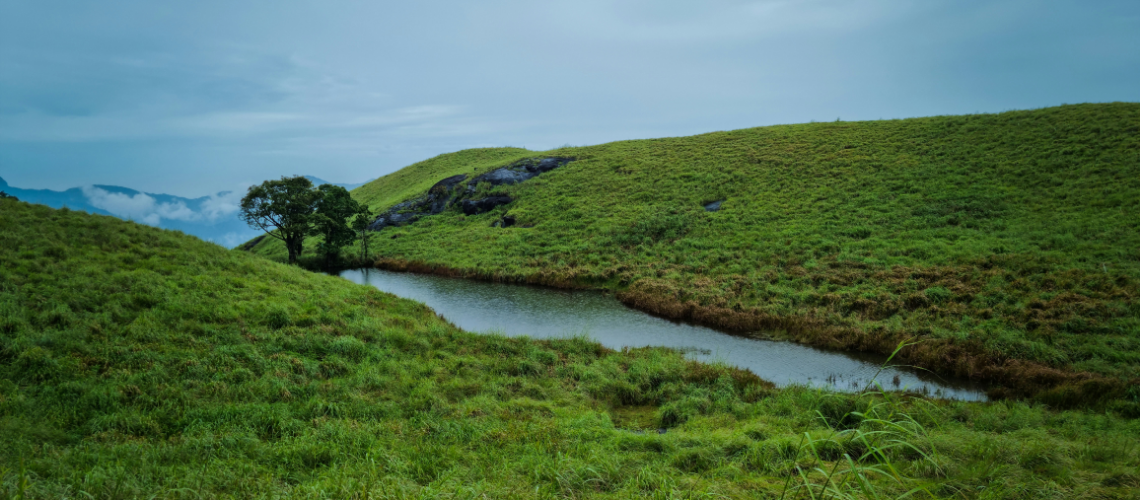
Chembra Peak, at 2,100 metres, Wayanad’s highest point, is the district’s most popular trek. The route departs from the forest checkpoint about 8 kilometres from Kalpetta and ascends through open grassland and shola forest to the summit, passing the famous heart-shaped lake near the top. The round trip takes four to five hours at a comfortable pace. The views from the summit on clear days extend across the Western Ghats, with Nilambur Valley visible below and the Karnataka hills on the horizon.
A registered Forest Department guide and a trek permit are compulsory and can be arranged at the base station. The trek is best done between October and May; the monsoon months make the trail slippery and potentially dangerous.
Explore the Edakkal Caves
The Edakkal Caves on Ambukuthi Hill near Sulthan Bathery contain rock carvings estimated to be between 6,000 and 8,000 years old. The 45-minute uphill trek through coffee plantation trails to reach the caves is an experience in its own right: the aroma of coffee blossoms or ripening berries (depending on the season) accompanies the entire ascent. Inside the rock shelters, over 400 petroglyphs, including human figures, animals, and script-like symbols, cover the walls. The caves are closed on Mondays.
Trek to Meesapulimala
Meesapulimala, at 2,640 metres, the second-highest peak in South India, sits on the border of Wayanad and Idukki districts and is one of the most significant trekking destinations in the Western Ghats. The trek departs from Rhodo Valley, about 45 kilometres from Munnar (and accessible from Wayanad via the forest roads), and takes two days with an overnight camp on the mountain. The route passes through shola forests and high grassland that flower spectacularly in season. Forest permits and registered guides are required.
River trekking and bamboo rafting
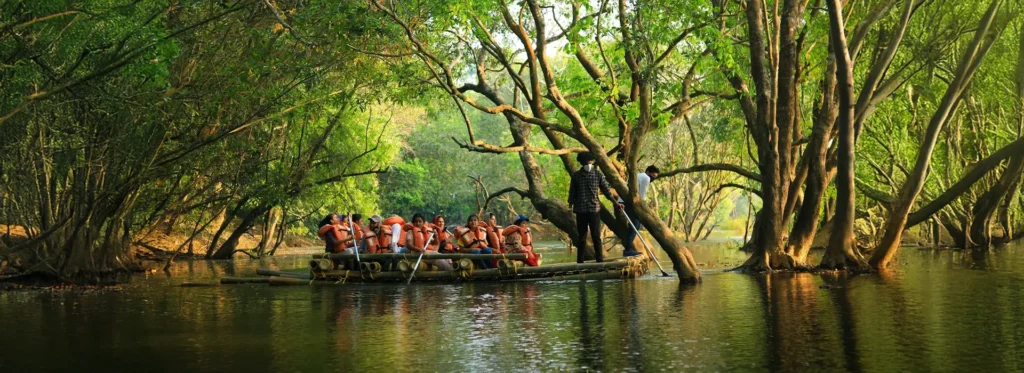
Kuruva Island, in the Kabini River near Mananthavady, is reached by bamboo raft from the riverbank. The crossing takes about 10 minutes and lands you on a network of uninhabited forested islands in the middle of the river. The island is home to rare orchids, freshwater fish, and water birds. Guided walks on the island are offered by the Forest Department. The combination of bamboo raft, river crossing, and forest island makes this one of Wayanad’s most characteristically adventurous experiences.
Camping at Banasura Sagar Dam
The forested hills around the Banasura Sagar Dam offer designated camping sites with views of the reservoir and the Banasura Hills. Camping here, with the stillness of the forest after dark and the mist rising off the reservoir at dawn, is one of the most atmospheric overnight experiences available in Wayanad. Several operators offer guided camping programmes, including campfire evenings and early morning forest walks.
Things to do in Wayanad: wildlife and nature
Wildlife safari at Tholpetty and Muthanga
Wayanad’s two wildlife sanctuary zones, Tholpetty in the north and Muthanga near Sulthan Bathery, offer jeep safaris through the forest at dawn and dusk. Tholpetty, which borders the Nagarhole National Park in Karnataka, is particularly productive for elephant sightings and is one of the best places in Kerala to observe wild elephants in their natural habitat. Gaur, sambar deer, and langur monkeys are commonly seen. Tiger and leopard sightings occur but are not guaranteed.
Both sanctuaries require advance booking for jeep safari tickets, particularly during the October to February peak season. Arriving at the sanctuary gate before dawn for the morning safari offers the best chance of wildlife sightings.
Bird watching at Pookode Lake and Tholpetty
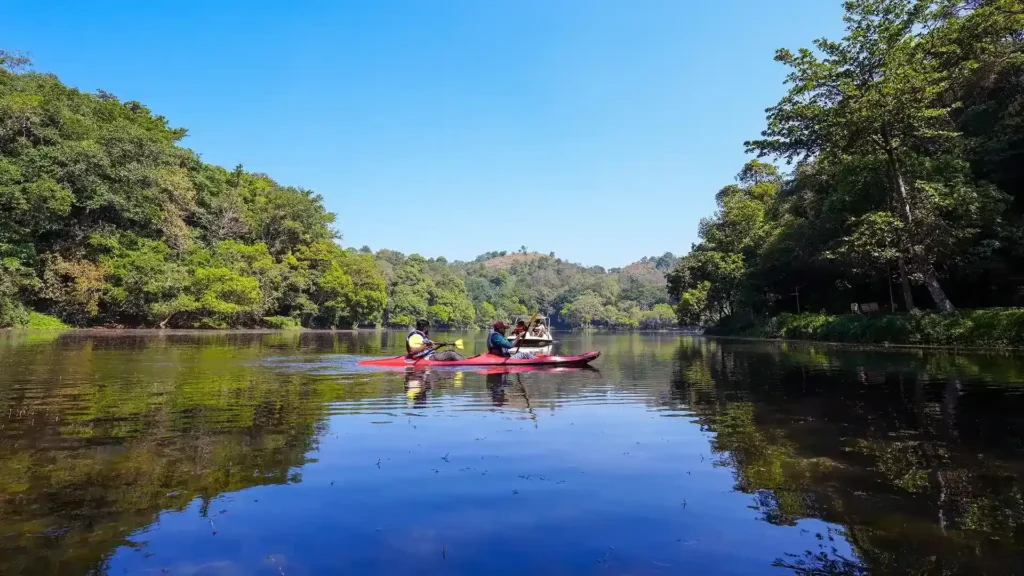
Pookode Lake, a natural freshwater lake near Vythiri, attracts a range of resident and migratory water birds, including kingfishers, cormorants, herons, and ducks. Early-morning visits (before 8 AM) yield the most active bird-watching. Tholpetty Wildlife Sanctuary records over 200 bird species, including the Malabar pied hornbill, the great Indian hornbill, and the Malabar grey hornbill, making it one of the most significant bird-watching sites in northern Kerala.
Visit the Pakshipathalam Bird Sanctuary
Pakshipathalam Bird Sanctuary, near Mananthavady in the Brahmagiri Hills, is one of the least-visited and most rewarding bird-watching destinations in Kerala. The sanctuary requires a two-day trek through dense forest to reach the rock cave formations where a variety of birds nest. Rare species, including the Sri Lankan frogmouth and the Malabar whistling thrush, have been recorded here. The trek requires Forest Department permits and a registered guide.
Spot elephants on the forest roads
Wild elephant crossings on the roads passing through the Muthanga and Tholpetty forest corridors are a regular occurrence in Wayanad, particularly in the early morning and late evening. Several local drivers know the most productive routes for roadside elephant sightings. Responsible observation from inside a stationary vehicle, at a safe distance, is essential: wild elephants are unpredictable and must never be approached on foot.
Things to do in Wayanad: heritage and culture
Visit Thirunelli Temple
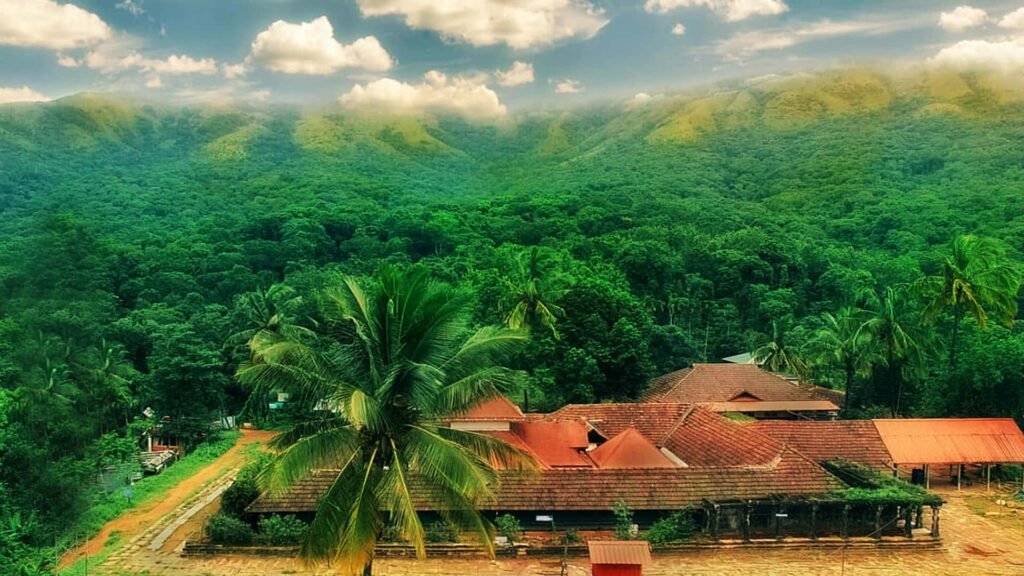
Thirunelli Temple in the forests of northern Wayanad, near Mananthavady, is one of the most ancient and most sacred Hindu temples in Kerala. Dedicated to Lord Vishnu and believed by some scholars to date back over 1,000 years, the temple sits in a remote forest valley surrounded by the Brahmagiri Hills. The setting, the forest silence, and the antiquity of the structure combine to create a genuinely moving visit. The sacred Papanasini River, which flows through the temple grounds, is considered a site of ancestral rites.
Explore tribal heritage
Wayanad is home to several tribal communities, including the Paniya, Kurichiya, Kuruma, and Kattunayaka peoples, whose ancestral presence in these hills predates the district’s recorded history. Several community-based tourism initiatives allow visitors to engage respectfully with tribal culture, crafts, and agricultural traditions. These visits, arranged through responsible operators, contribute directly to community livelihoods and provide a window into a way of life that has adapted to the forest landscape over generations.
Visit the Wayanad Heritage Museum
The Wayanad Heritage Museum in Ambalavayal (adjacent to the Edakkal Caves region) houses a collection of pottery, tools, ornaments, and artefacts dating back to the Neolithic era, complementing the Edakkal Caves experience with objects representing the daily life of the people who made the carvings. The museum also documents the tribal cultures of Wayanad and the district’s agricultural history.
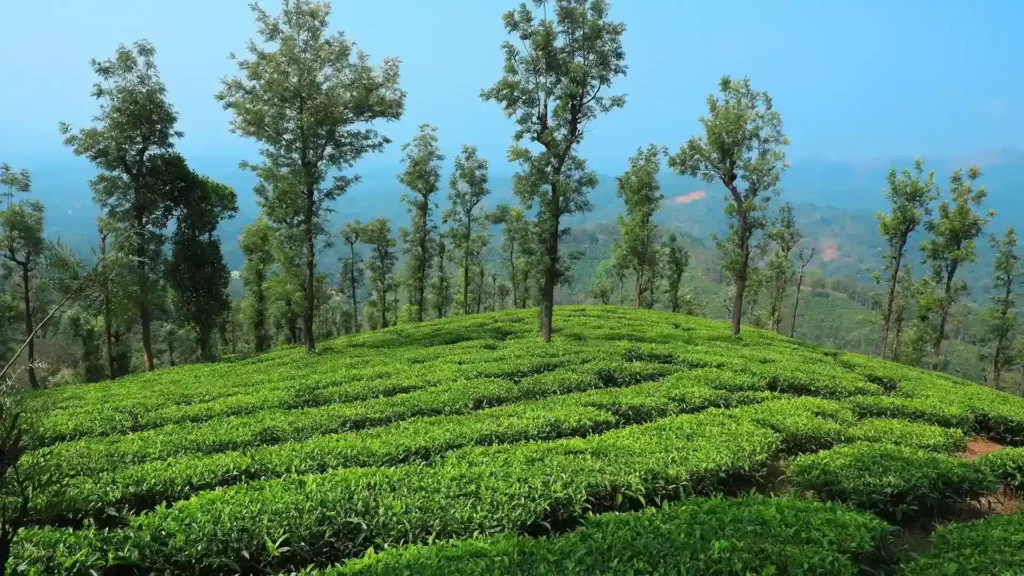
Things to do in Wayanad: plantation experiences
Stay in a treehouse or plantation homestay
A treehouse stay in a working coffee or spice plantation is one of the most memorable experiences Wayanad offers. Waking up in the forest canopy, eating breakfast on a platform among the trees, and spending an evening listening to the sounds of the forest are pleasures that no conventional hotel can provide. Several plantation homestays in the Vythiri and Kalpetta areas offer this experience, along with guided plantation walks and spice garden tours.
Visit a coffee plantation
Wayanad is one of the most important coffee-growing regions in India, and the district’s coffee estates range from small family farms to large commercial plantations. Guided plantation walks, typically offered by estates that also provide accommodation, explain the journey from coffee cherry to roasted bean: picking, wet processing, drying, and sorting. The aromas of a coffee estate during harvest season (typically November to February) are extraordinary.
Explore spice gardens
Several spice gardens in the district are open for guided visits, showcasing the cultivation of black pepper, cardamom, vanilla, nutmeg, and cinnamon in the same plot, reflecting the traditional multi-crop farming approach of Wayanad. The guides at the better spice gardens explain the ecological relationships between the crops, the harvesting techniques, and the traditional uses of each spice.
Plan your Wayanad experience with us
At Immersive Trips, we design Wayanad itineraries that balance the major attractions with the plantation stays, forest walks, and community encounters that make the district genuinely immersive. Get in touch with our team or browse our Kerala tour packages.
Frequently asked questions about things to do in Wayanad
1. What is the single best experience in Wayanad?
For most travellers, either the Chembra Peak trek or an early-morning wildlife safari at the Tholpetty Wildlife Sanctuary stands out the most. The heart-shaped lake on the Chembra approach is one of the most photographed sights in Kerala. The experience of watching wild elephants in the forest at Tholpetty at dawn is among the finest wildlife encounters available in South India.
2. Do I need permits for trekking in Wayanad?
Yes. Trekking to Chembra Peak requires a Forest Department permit and a registered guide, both of which are arranged at the base station. Trekking to Pakshipathalam requires advance Forest Department approval. Wildlife safari jeeps at Tholpetty and Muthanga must be booked in advance, particularly during peak season. Your accommodation in Wayanad can usually help arrange these.
3. Is Kuruva Island worth visiting?
Yes. The bamboo raft crossing of the Kabini River to the forest islands of Kuruva is one of Wayanad’s most distinctive experiences. The island itself, with its orchids, river birds, and complete absence of tourism infrastructure, is a genuinely peaceful encounter with the forest. It is best visited between November and May when the river is navigable.
4. What time should I start the Chembra Peak trek?
Starting by 7 AM is recommended, and by 6 AM in December and January when the days are shorter. The summit is clearest in the early morning before the afternoon haze builds, and arriving at the heart-shaped lake in the morning light is significantly more rewarding than arriving in the midday heat. The base station opens early for permit processing.
5. Are there activities for non-trekkers in Wayanad?
Yes. Pookode Lake boating, Banasura Sagar Dam scenic drive and boat ride, a spice garden tour, coffee plantation walk, Thirunelli Temple visit, and Kuruva Island bamboo rafting all offer rewarding experiences without significant physical exertion. A wildlife jeep safari is also accessible for visitors of all fitness levels.
6. Can I see Neelakurinji in Wayanad?
The Neelakurinji (Strobilanthes kunthiana) blooms in the Western Ghats once every twelve years. The most recent bloom was in 2018, and the next is expected in 2030. The bloom is most famous in the Munnar region, but also occurs in the Wayanad hills. Outside the bloom year, the grasslands where it grows can be visited, but the flowers are not visible.
7. What is the best base for exploring Wayanad?
Vythiri, at around 750 to 900 metres, is the most centrally located base and gives access to Pookode Lake, Soochipara Falls, and the road to Kalpetta. Kalpetta, the district headquarters, is the most practical town for transport and services. Sulthan Bathery is the best base for the Edakkal Caves, Muthanga Wildlife Sanctuary, and the road to Ooty. Mananthavady is the best base for Thirunelli, Tholpetty, and Kuruva Island.
8. Is Wayanad good for photography?
Yes. The combination of the mist-covered Western Ghats, the geometric rows of coffee and tea plantations, the dramatic Banasura Sagar Dam, the jungle canopy at Tholpetty, the ancient Edakkal carvings, and the wildlife all provide exceptional photography opportunities. The light in the early morning and late afternoon is particularly good year-round.
9. Are there any experiences that specifically involve Wayanad’s tribal communities?
Yes. Several community-based tourism initiatives have been established to connect visitors with the tribal communities of Wayanad in a respectful and mutually beneficial way. These include guided village visits, tribal craft demonstrations, traditional cooking sessions, and cultural programmes. Working through a responsible local operator ensures that these visits benefit the community and are conducted with appropriate sensitivity.
10. How does Wayanad compare to Munnar as a hill station?
Munnar and Wayanad are meaningfully different. Munnar is defined by tea estates, a distinctive alpine quality of light and mist, and its high-altitude location. Wayanad is defined by coffee and spice plantations, denser forest, significant tribal and wildlife heritage, and a warmer, more jungle-edged atmosphere. Munnar is more dramatically scenic. Wayanad is more ecologically diverse and culturally layered. Both are worth visiting, and they complement each other rather than compete.