
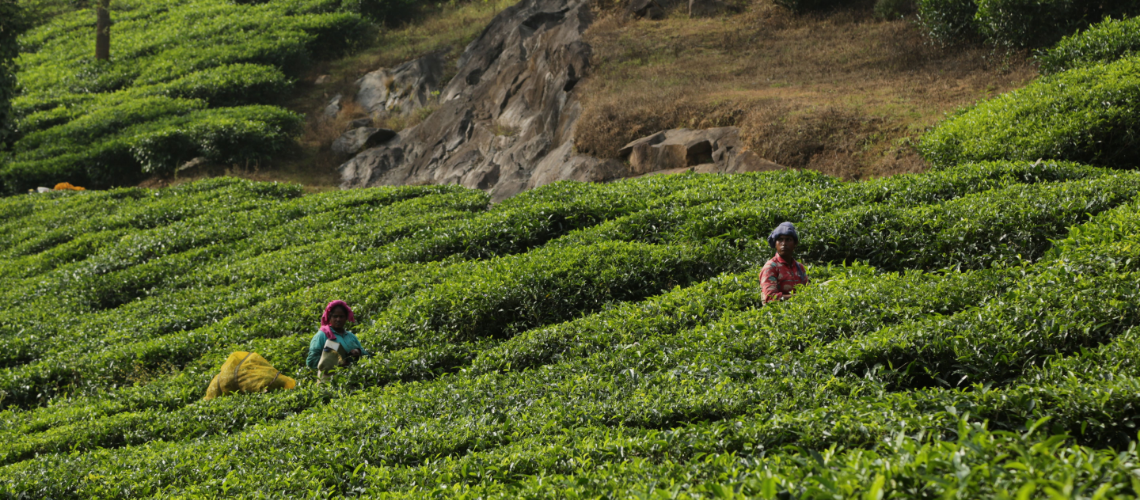
Wayanad’s places to visit are spread across a district that spans coffee plantations, dense Western Ghats forest, river islands, wildlife sanctuaries, ancient caves, sacred temples, and some of the most scenic highland roads in India. The district covers approximately 2,130 square kilometres and encompasses three distinct taluk (administrative division) areas, each centred on a different town. This guide covers every significant attraction in the district, with factual context and honest guidance on what each offers.
For full planning guidance, pair this with our Wayanad travel guide and our list of things to do in Wayanad.
Best Places to visit in Wayanad: Archaeological and Heritage Sites
Edakkal Caves
The Edakkal Caves on Ambukuthi Hill, approximately 12 kilometres from Sulthan Bathery and 28 kilometres from Kalpetta, are the most historically significant site in the Wayanad district. The “caves” are, in fact, two natural rock shelters formed by a large, wedged boulder at an altitude of approximately 1,200 metres. Inside these shelters are over 400 petroglyphs: rock carvings depicting human figures, animals, tools, hunting scenes, and symbols. The carvings span multiple periods, with estimates placing the earliest between 6,000 and 8,000 years old (Neolithic and Mesolithic eras). Some symbols have been compared by scholars to those of the Indus Valley Civilisation.
The caves were first reported to the wider academic world in 1901 by British Malabar Police superintendent Fred Fawcett in the journal Indian Antiquary. The State Archaeological Department declared them a protected historical monument in 1984.
To reach the caves, visitors drive to the base point and then trek uphill for 45 minutes to an hour through coffee plantation trails and stone steps. The aroma of the coffee plants accompanies the entire trek. The caves are closed on Mondays.
Ambalavayal Heritage Museum
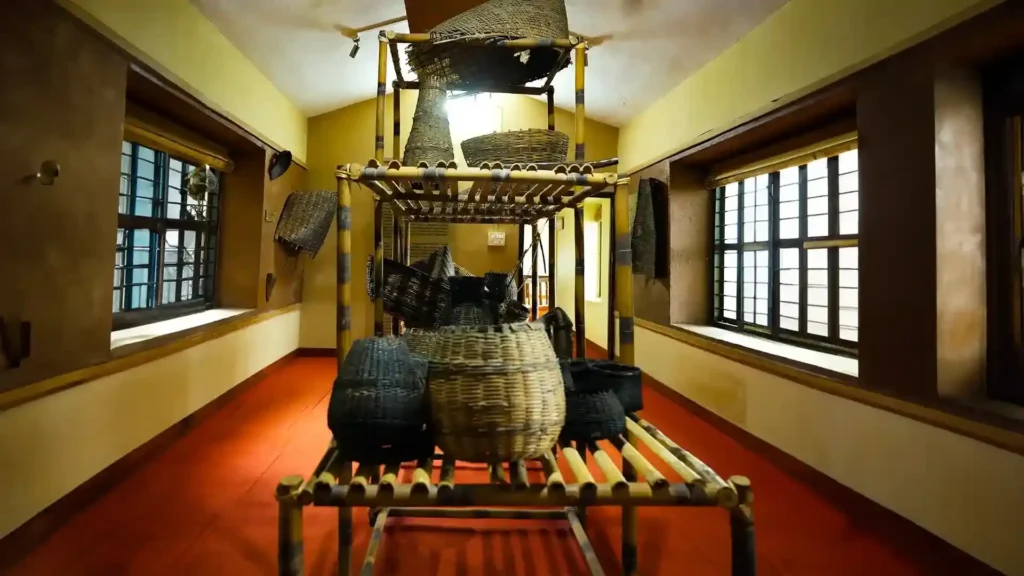
The Ambalavayal Heritage Museum, adjacent to the Edakkal Caves area near Sulthan Bathery, houses a collection of Neolithic pottery, tools, ornaments, and artefacts that complement the cave visit by presenting the material culture of the people who made the carvings. The museum documents Wayanad’s archaeological history and the district’s tribal cultural heritage and is a well-organised and worthwhile stop before or after the caves.
Thirunelli Temple
Thirunelli Temple in the forests of the Brahmagiri Hills near Mananthavady is one of the most ancient and most atmospherically situated Vishnu temples in Kerala. The temple is believed by some scholars to be over 1,000 years old and has been a pilgrimage site in the Western Ghats for centuries. Its position in a remote forest valley, reached by a road that passes through thick forest and opens suddenly onto the temple compound, gives it an atmosphere of genuine remoteness and sanctity.
The Papanasini River (meaning “the river that washes away sins”) flows through the temple grounds and is considered sacred for ancestral rites. The combination of ancient temple architecture, forest setting, and living pilgrimage tradition makes Thirunelli one of the most complete heritage experiences in Wayanad.
Pazhassi Raja Tomb
The Pazhassi Raja Tomb near Mananthavady commemorates Kerala Varma Pazhassi Raja, the “Lion of Kerala,” a chieftain of the Kottayam royal family who led a prolonged resistance against British East India Company forces from the 1790s until his death in 1805. The tomb is a significant historical monument and a pilgrimage site for those interested in Kerala’s history of colonial resistance. A small museum adjacent to the tomb documents the life and military campaigns of Pazhassi Raja.
Places to visit in Wayanad: Wildlife and Nature Reserves
Wayanad Wildlife Sanctuary: Tholpetty Section
Tholpetty Wildlife Sanctuary, in the northernmost section of Wayanad near Mananthavady, covers approximately 100 square kilometres of dense forest on the border with Karnataka’s Nagarhole National Park. It forms part of the Nilgiri Biosphere Reserve, the largest protected area network in South Asia. The sanctuary has one of the highest densities of wild elephants in India and is one of the most productive wildlife-viewing areas in Kerala. Jeep safaris are available at dawn and dusk through the Forest Department.
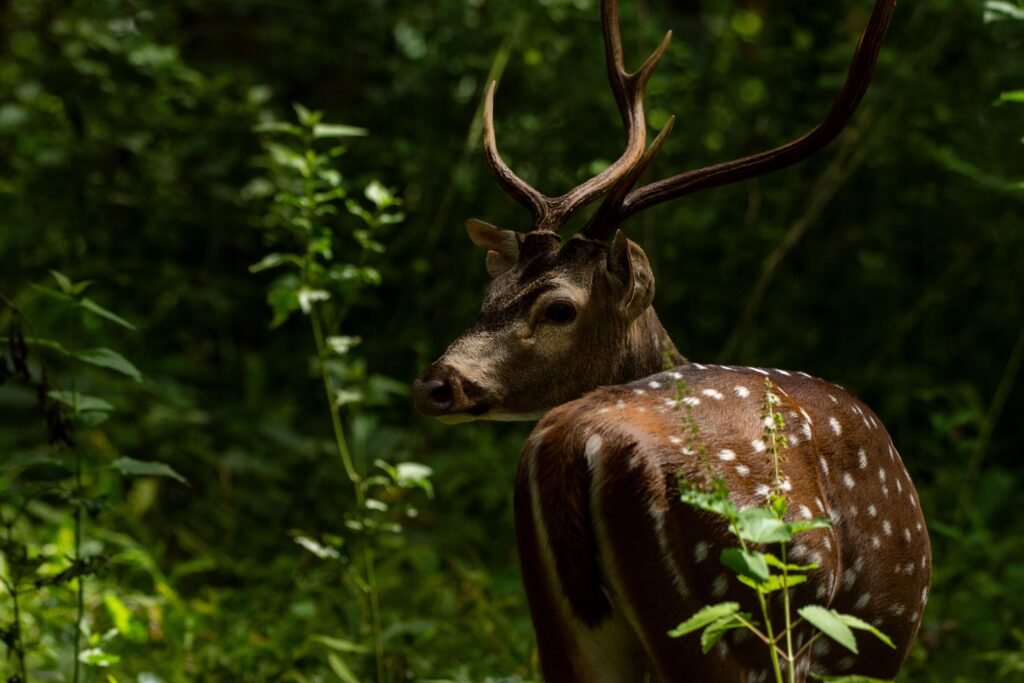
Wildlife regularly seen at Tholpetty includes wild Asian elephants (in large herds), gaur, sambar deer, spotted deer, langur monkeys, wild boar, and sloth bears. Tigers and leopards are resident but rarely visible. Over 200 bird species have been recorded, including the Malabar pied hornbill, the great Indian hornbill, and the Malabar grey hornbill.
Wayanad Wildlife Sanctuary: Muthanga Section
Muthanga Wildlife Sanctuary, near Sulthan Bathery in the southern section of the district, is the more accessible of the two sanctuary areas and is the first point of entry for most visitors to Wayanad’s wildlife. Jeep safaris here pass through mixed deciduous forest and bamboo groves. Elephant sightings are common, and gaur are frequently seen in the morning hours. The Muthanga section borders the Nagarhole National Park in Karnataka and the Mudumalai Tiger Reserve in Tamil Nadu, making it part of a broader landscape of protected forests.
Pakshipathalam Bird Sanctuary
Pakshipathalam Bird Sanctuary in the Brahmagiri Hills, near Thirunelli in northern Wayanad, is one of the least-visited and most rewarding bird-watching destinations in Kerala. The sanctuary requires a two-day trek to reach the rock cave formations where rare species nest, including the Sri Lanka frogmouth, the Malabar whistling thrush, and the Malabar trogon. Forest Department permits and a registered guide are required. It is best suited to experienced trekkers with a specific interest in birds.
Places to visit in Wayanad: Lakes and Water
Pookode Lake
Pookode Lake, approximately 15 kilometres from Kalpetta near Vythiri, is a natural freshwater lake at an altitude of about 770 metres, entirely surrounded by forest. The lake is a significant bird-watching site, particularly for water birds during the migratory season (November to February). Boating is available for visitors, and a small aquarium on the shore houses freshwater fish species found in the Wayanad district. The lake is accessible by a short walk from the road and is one of the most family-friendly attractions in the district.
Banasura Sagar Dam and reservoir
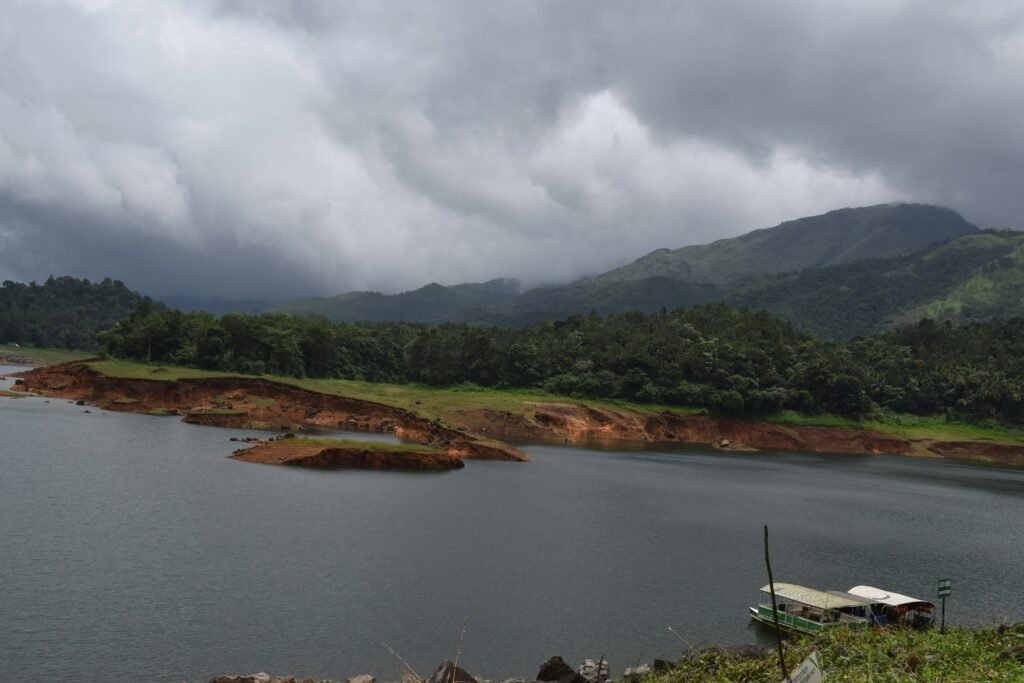
Banasura Sagar Dam, 21 kilometres from Kalpetta at the base of the Banasura Hills, is the largest earth dam in India and the second largest in Asia, constructed in 1979. The reservoir it creates is set against a dramatic backdrop of forest-covered hills and the Banasura peak. Boating is available on the reservoir, and the surrounding area offers camping and picnic facilities. The dam is named after Banasura, a legendary Asura king said to have ruled the Wayanad region in local tradition.
Karapuzha Dam
Karapuzha Dam, about 10 kilometres from Kalpetta, is the largest irrigation dam in the Wayanad district and an important source of water for the district’s agriculture. The dam and its reservoir offer a quieter alternative to Banasura Sagar for those looking for a scenic water setting without the visitor facilities (and visitor numbers) of the more popular site.
Kuruva Island
Kuruva Island (also known as Kuruvadweep), in the Kabini River near Mananthavady, is a cluster of uninhabited forested islands accessible only by bamboo raft. The island covers approximately 950 acres of riverine forest and is protected as a reserve forest. It is home to rare orchids, freshwater fish species, otters, and a range of water birds. Bamboo raft crossings are arranged at the riverbank entry point, and guided walks on the island are offered by the Forest Department. Kuruva Island is best visited between November and May when the river is manageable.
Places to visit in Wayanad: Viewpoints and Waterfalls
Lakkidi Viewpoint
Lakkidi, at the top of the Thamarassery Churam (a series of hairpin bends on the Kozhikode-Wayanad road), is the gateway to Wayanad from the Malabar coast. The viewpoint here looks back over the escarpment towards the Kozhikode plains far below, with the forested ridges of the Western Ghats receding into the distance. The view is most dramatic in the early morning when mist fills the valleys below. The famous Chain Tree, a tree bound in chains that is the subject of a long-standing local legend about a tribal spirit, is located at the Lakkidi viewpoint.
Soochipara Waterfalls
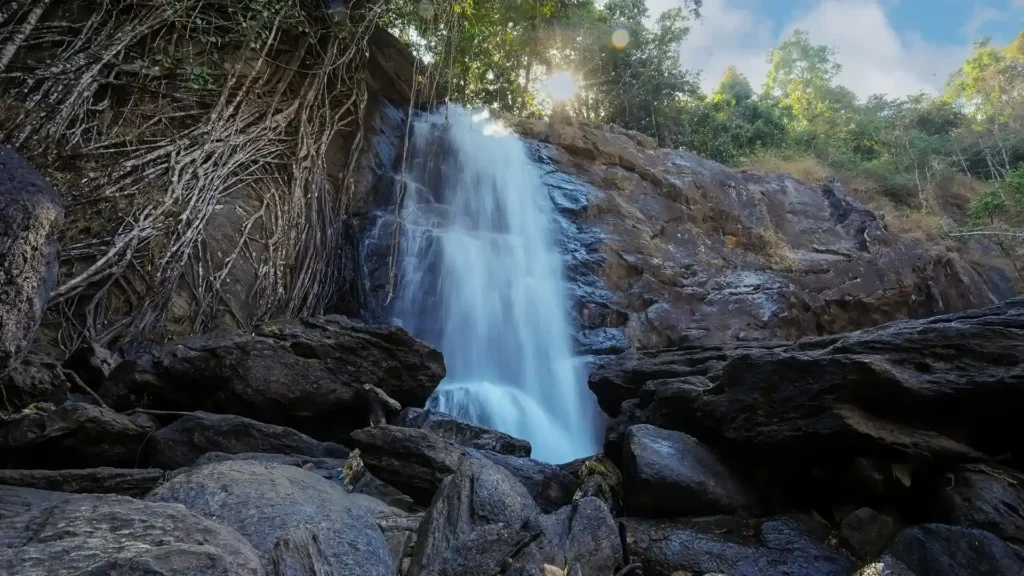
Soochipara Falls (Sentinel Rock Waterfalls), about 22 kilometres from Kalpetta, is a three-tiered waterfall dropping approximately 200 metres through a forested gorge. The falls are accessible by a 45-minute trek from the road through coffee and cardamom plantations. Swimming is possible at the base pool during the drier months. The falls are most impressive between July and October when the monsoon water volume is at its highest.
Meenmutty Waterfalls
Meenmutty Waterfalls, about 29 kilometres from Kalpetta near Vythiri, is one of the largest waterfalls in Wayanad at approximately 300 metres. The three-stage cascade is accessible by a short trek through the forest. It is less visited than Soochipara and offers a more peaceful and atmospheric waterfall experience.
Chembra Peak and the heart-shaped lake
Chembra Peak at 2,100 metres is Wayanad’s highest point and the district’s most celebrated trekking destination. The route to the summit passes the heart-shaped lake, a natural feature near the top of the mountain whose shape is clearly visible from the approaching trail. The lake is the most photographed natural feature in Wayanad and is the reason many visitors make the full ascent. Summit views extend across the Western Ghats on clear days.
Plan your Wayanad visit with Immersive Trips
At Immersive Trips, we build Wayanad itineraries that combine the major sights with the plantation stays and forest experiences that make the district genuinely memorable. Contact our team or view our Kerala tour packages.
Frequently asked questions about places to visit in Wayanad
1. What is the most important place to visit in Wayanad?
The Edakkal Caves are the most historically significant, with rock carvings estimated at 6,000 to 8,000 years old. Tholpetty Wildlife Sanctuary is the most ecologically significant, with one of the highest elephant densities in India. Chembra Peak and the heart-shaped lake are the most visually memorable. A first visit to Wayanad should ideally include all three.
2. Is Pookode Lake worth visiting?
Yes, particularly for families and those not doing strenuous treks. The lake is beautiful, the boating is gentle and enjoyable, and the bird watching is productive in the early morning. The aquarium is modest but a good stop for children. It is the most easily accessible natural attraction in the Vythiri area.
3. What is the Chain Tree at Lakkidi?
The Chain Tree is a large tree on the Thamarassery Churam at Lakkidi, bound in chains as part of a long-standing local custom. According to folklore, the spirit of a tribal guide who showed British surveyors the route into Wayanad haunted the pass. To appease the spirit, chains were applied to the tree, a tradition maintained by local communities. The tree and its chains are photographed by almost every visitor arriving in Wayanad from Kozhikode.
4. How do I get to Kuruva Island?
Kuruva Island is located near Mananthavady, approximately 35 kilometres from Kalpetta. The entry point is at the riverbank, where bamboo raft crossings to the island are arranged. The island is open for visitors between November and May; the monsoon months make the river too high for safe crossing. Forest Department entry tickets are required.
5. Are the Edakkal Caves worth the trek?
Yes. The uphill trek of 45 to 60 minutes is moderate in difficulty, and the payoff of seeing prehistoric rock carvings in a natural cave setting, at altitude, with views over the Wayanad hills, is entirely worthwhile. The trek through the coffee plantation is pleasant in its own right. Allow two to three hours for the full visit, including the trek.
6. Is Thirunelli Temple accessible to non-Hindus?
Non-Hindus are generally welcome in the temple’s outer precincts and can appreciate the architecture and setting. The inner sanctum may be restricted to Hindu devotees. The temple requires modest dress, and visitors should follow the temple authorities’ guidance regarding access.
7. What is special about Soochipara Falls compared to other waterfalls in Kerala?
Soochipara is a three-tiered waterfall dropping about 200 metres through dense forest, with a base pool suitable for swimming in the drier months. Its three-tier structure, forest setting, and short trek to reach it make it one of the most rewarding waterfall experiences in Wayanad. It is at its most spectacular between July and October.
8. Can I visit both Tholpetty and Muthanga wildlife sanctuaries in one trip?
Yes, but they are in different parts of the district: Tholpetty is near Mananthavady in the north, and Muthanga is near Sulthan Bathery in the south. The drive between them takes about 1.5 to 2 hours. Most visitors choose one or the other for a morning safari. Tholpetty is generally considered to produce more reliable elephant sightings and is worth prioritising if you must choose.
9. What makes Wayanad’s archaeological heritage significant?
Wayanad has evidence of human settlement spanning at least 6,000 to 8,000 years, making it one of the most archaeologically significant districts in Kerala. The Edakkal Cave carvings are among the oldest evidence of human presence in the state. The Neolithic artefacts in the Ambalavayal Heritage Museum complement this with material evidence of daily life in the same period. This archaeological depth, combined with the living tribal communities whose presence in these hills predates recorded history, gives Wayanad a cultural significance that goes well beyond its more famous wildlife and scenic attractions.
10. How should I structure a three-day visit to Wayanad?
Day 1: Arrive via Kozhikode, stop at Lakkidi Viewpoint (Chain Tree), check in to plantation stay near Vythiri, afternoon at Pookode Lake, evening at the resort.
Day 2: Early-morning wildlife safari at Tholpetty; afternoon at Kuruva Island and Thirunelli Temple; evening at Banasura Sagar Dam viewpoint.
Day 3: Morning: Edakkal Caves trek; afternoon: Soochipara or Meenmutty Falls; depart.
This structure covers the three main zones of the district: the northern forests, the southern caves, and the central lakes and hills.