
Kerala’s coastline stretches approximately 580 kilometres along the Arabian Sea, and the beaches along this stretch offer a remarkable variety: dramatic red laterite cliffs, crescent-shaped bays backed by coconut groves, quiet fishing-village shores, and a beach that doubles as a coastal road for cars. This guide covers the best beaches across the state, what each one offers, and how to choose the right coastal stop for your Kerala itinerary.
For broader trip planning, see our Kerala travel guide and our guide to Kerala monsoon travel for guidance on seasonal beach conditions.
Kovalam: Kerala’s most established beach destination
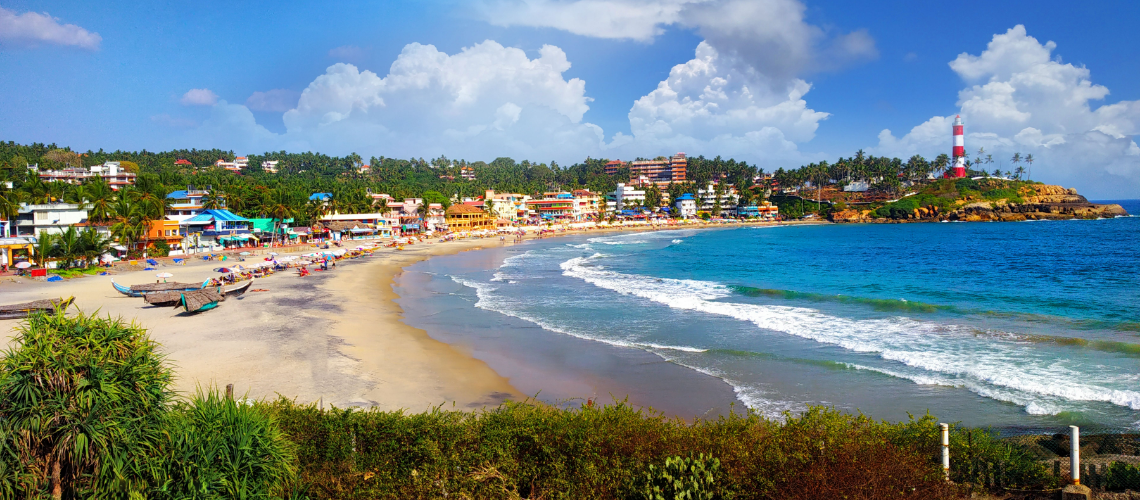
Kovalam, about 16 kilometres from Thiruvananthapuram, is Kerala’s most internationally recognised beach and the state’s most developed coastal resort area. The beach is shaped into a series of crescent bays, with Lighthouse Beach the most popular and well-equipped, featuring designated swimming zones and lifeguards, making it one of the safer beaches in Kerala for casual swimmers and families. The Vizhinjam Lighthouse, which gives the beach its name, offers panoramic coastal views from its upper level.
Kovalam has a long-established Ayurvedic wellness culture, with numerous resorts and clinics offering treatments alongside beach access. Water sports, including parasailing, jet skiing, kayaking, and surfing (particularly during the southwest monsoon, June to August, when wave conditions suit surfing), are widely available.
Varkala: dramatic cliffs and a distinctive atmosphere
Varkala, north of Thiruvananthapuram, is considered by many travellers to be the most visually dramatic beach in Kerala. The defining feature is a stretch of laterite cliffs rising approximately 15 to 30 metres above the Arabian Sea, with a continuous strip of guesthouses, cafes, and shops running along the clifftop, accessed via stairways down to the beach itself. The cliffs create unique geological formations found nowhere else along the Kerala coast.
Varkala has a notably relaxed, slightly bohemian atmosphere, with a longstanding Tibetan community contributing restaurants and shops to the cliff-top strip. The beach is also known as Papanasam Beach and is considered sacred for its natural mineral springs, which pilgrims believe have purifying and healing properties. Varkala’s northern end is generally the safest section for swimming, with currents elsewhere along the beach requiring more caution. The cliff top is one of the best sunset viewing locations in Kerala.
Marari Beach: the quiet alternative
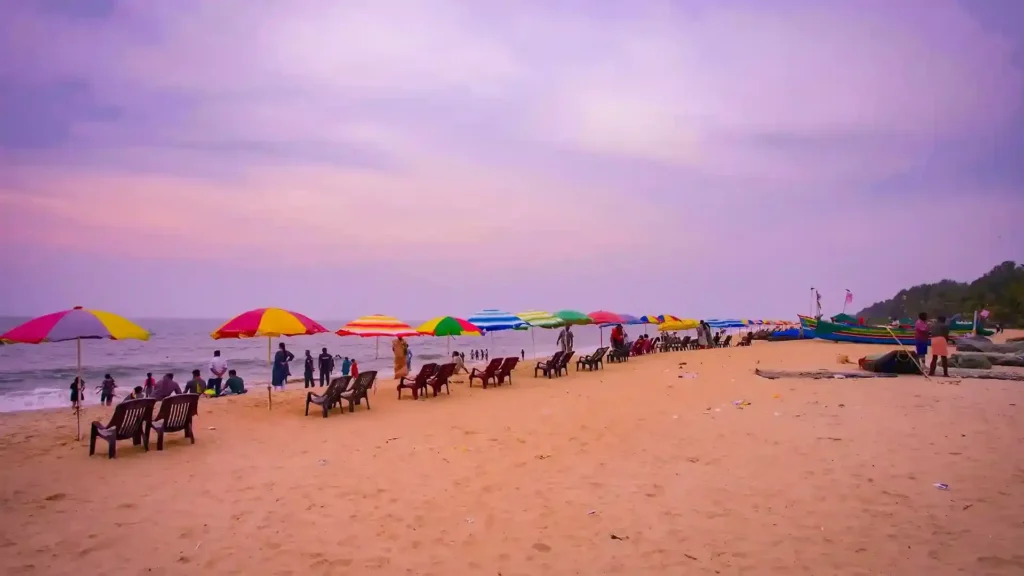
Marari Beach, about 11 to 14 kilometres from Alleppey town, takes its name from the local fishing village of Mararikulam. This is one of the least commercialised significant beaches in Kerala, with a long, clean shoreline lined with coconut palms and traditional fishing boats rather than jet skis and beach bars. The water here is generally calm and safe, and the absence of heavy commercial activity makes Marari particularly appealing for travellers seeking solitude and an authentic coastal village atmosphere.
Marari pairs naturally with the Alleppey backwater experience, allowing visitors to combine a quiet beach morning with a backwater houseboat cruise in the same trip. Our Alleppey travel guide covers this combination in detail.
Cherai Beach: backwaters meet the sea
Cherai Beach, on Vypin Island about 30 kilometres from Fort Kochi, is distinguished by its setting: the Arabian Sea on one side and Kerala’s backwaters visible on the other, creating an unusual dual landscape within walking distance. The beach is long, with gentle surf and shallow water in places, making it one of the more family-friendly beaches in Kerala. Cherai is occasionally visited by dolphins close to shore, adding to its appeal for families and casual visitors. The beach is reached from Fort Kochi via a short ferry crossing to Vypin Island, followed by a brief drive.
Bekal Beach: history on the shoreline
Bekal, in the northern Kasaragod district, combines a beautiful stretch of coast with Bekal Fort, a 17th-century laterite fort that rises dramatically above the Arabian Sea and is the largest and best-preserved fort in Kerala. Bekal is often described as the most pristine beach destination in northern Kerala and was the site of India’s first specifically planned beach development project, intended to create an integrated tourism destination combining the fort, beach, and surrounding coastline. The combination of historical architecture and a relatively undeveloped, clean shoreline makes Bekal a distinctive stop for travellers exploring the northern Kerala coast.
Payyambalam and Muzhappilangad: Kannur’s coastline
Payyambalam Beach in Kannur is the largest beach in the district and is known for its well-maintained garden, including a notable sculpture by Kanayi Kunhiraman, and its relatively uncrowded atmosphere compared to beaches in southern Kerala. Muzhappilangad Drive-in Beach, about 15 kilometres south, is the longest drive-in beach in India at approximately four kilometres, allowing vehicles to drive along the hard-packed lower sand. Our things to do in Kannur guide covers both beaches in further detail.
Poovar: the island beach
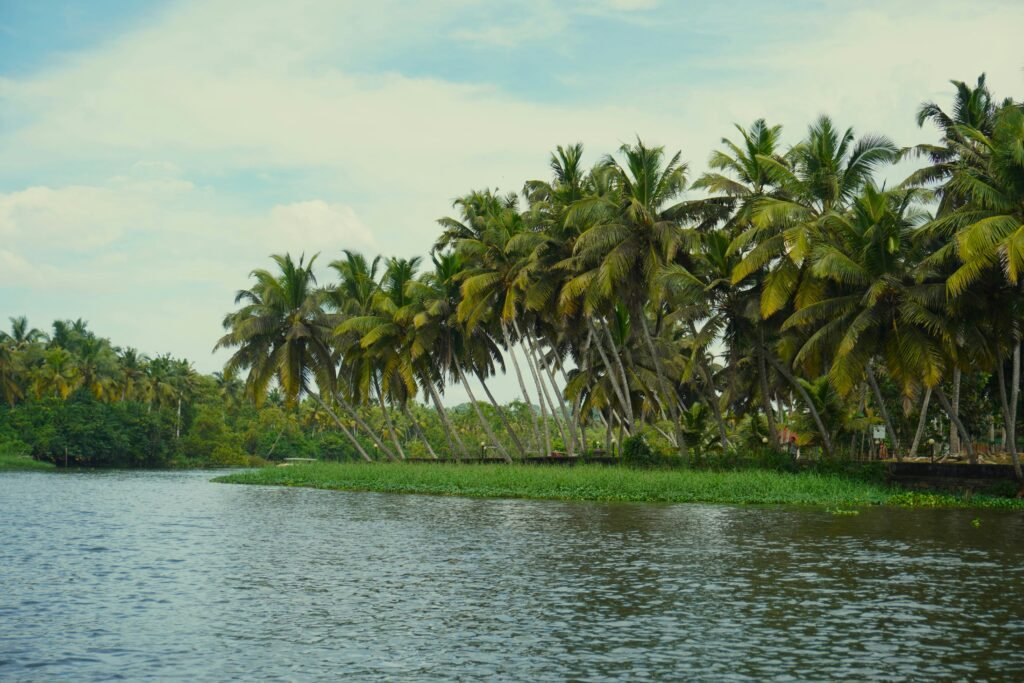
Poovar, near Thiruvananthapuram, is one of Kerala’s most secluded coastal destinations: a small island where the Neyyar River meets the Arabian Sea, with a backwater estuary on one side and open sea on the other. Poovar is accessible only by boat, and the small number of resorts here offer an intimate, peaceful experience distinct from the more developed beaches of Kovalam and Varkala.
Thottada and Meenkunnu: quiet Kannur coves
Thottada Beach, near Kannur, offers clean golden sand, calm turquoise water, and a quiet, private atmosphere lined with coconut palms and small lagoons. Meenkunnu Beach at Azhikode, about 11 kilometres from Kannur, is reached through coconut groves and offers a similarly isolated and scenic setting, fronted by the Valapattanam River estuary on one side and the open sea on the other.
Choosing the right beach for your trip
For families: Kovalam (Lighthouse Beach), Cherai, Marari, and Payyambalam are the most consistently recommended, owing to their generally calmer waters and accessible facilities.
For dramatic scenery and atmosphere, Varkala’s cliffs are unmatched in Kerala, and Bekal’s combination of fort and coastline offers a distinct historical dimension.
For solitude and authenticity: Marari, Thottada, Meenkunnu, and Poovar offer the quietest and most unspoiled coastal experiences in the state.
For water sports and activities, Kovalam and Varkala offer the widest range of organised options, including surfing, parasailing, and kayaking.
For combining with backwaters, Marari (near Alleppey) and Cherai (near Kochi) allow you to pair a beach stay with backwater exploration in the same region.
Safety and seasonal considerations
October to March offers the calmest sea conditions and the most reliable weather for beach holidays across Kerala. The monsoon months (June to September) bring rough seas and dangerous currents to most beaches, and swimming is generally inadvisable during this period at Alleppey Beach and several other locations. Always swim within designated zones where lifeguards are present, particularly at Kovalam and Cherai, and exercise caution at Varkala beyond the calmer northern section.
Plan your Kerala beach holiday with us
At Immersive Trips, we help travellers choose the right combination of beaches for their itinerary, whether that means the established comforts of Kovalam, the dramatic cliffs of Varkala, or the quiet authenticity of Marari and the northern Kerala coves. Get in touch with our team or explore our Kerala tour packages.
Frequently asked questions about beaches in Kerala
1. Which is the best beach in Kerala overall?
This depends on what you are looking for. Kovalam is the best all-round choice for families and those wanting established infrastructure. Varkala is the most visually dramatic and atmospheric. Marari is the best choice for a quiet, authentic fishing village beach experience. Most travellers benefit from visiting at least two contrasting beaches during a trip to Kerala.
2. Is it safe to swim at Kerala’s beaches?
Kovalam (Lighthouse Beach), Cherai, and the northern section of Varkala are generally considered the safest for swimming, with lifeguards present at the more developed beaches. Currents can be unpredictable at other beaches and sections, and swimming should always be approached with caution, particularly during the monsoon season (June to September) when conditions are rough across most of the coast.
3. What is the best time of year to visit Kerala’s beaches?
October to March offers the calmest seas, the most pleasant weather, and the best overall beach conditions. December and January are the peak season with correspondingly higher prices. The monsoon period (June to September) sees dangerous swimming conditions at most beaches, though it does bring dramatically lush surrounding landscapes.
4. Which beach is best for a family with young children?
Cherai Beach, with its gentle surf and shallow water, is particularly recommended for families. Kovalam’s Lighthouse Beach, with its designated zones and lifeguards, is also a strong choice. Marari and Payyambalam offer calm, clean, and uncrowded settings that are well-suited to families seeking a quieter experience.
5. Can I combine a beach holiday with backwater tours in Kerala?
Yes, easily. Marari Beach is close to Alleppey, allowing a natural combination of beach time and backwater houseboat cruising. Cherai Beach is close to Fort Kochi and can be combined with both city sightseeing and a separate backwater excursion. This combination is one of the most popular and rewarding ways to structure a Kerala coastal itinerary.
6. Is Varkala or Kovalam better for a first-time visitor?
Kovalam offers a more straightforward, well-equipped beach holiday experience with established infrastructure, making it a comfortable choice for first-time visitors. Varkala offers more distinctive scenery and atmosphere, but with a slightly less polished, more independent-traveller character. Many visitors choose to experience both during a longer Kerala trip.
7. What is special about Bekal Beach?
Bekal combines a relatively unspoiled stretch of northern Kerala coastline with Bekal Fort, the largest and best-preserved fort in the state, built in the 17th century directly above the sea. The combination of historical architecture and beach scenery gives Bekal a distinct character compared to Kerala’s more purely recreational beaches.
8. Are there good beaches in northern Kerala beyond Bekal?
Yes. Payyambalam, Muzhappilangad (India’s longest drive-in beach), Thottada, and Meenkunnu near Kannur are all excellent and significantly less crowded than the southern Kerala beaches. These suit travellers exploring the northern Malabar coast as part of a broader Kerala or north Kerala itinerary.
9. Is surfing possible in Kerala?
Yes, primarily at Kovalam and Varkala, particularly during the southwest monsoon period (June to August) when wave conditions are most suitable for beginner and intermediate surfers. Several local operators provide board rental and instruction at both locations.
10. How many beach destinations should I include in a Kerala itinerary?
Most well-balanced Kerala itineraries include one or two beach stops, often as a relaxing conclusion to a trip that has also covered hill stations, backwaters, and cultural sites. Two to three nights at a single beach destination is generally sufficient unless the beach stay is the primary focus of the trip, such as an extended Ayurveda and wellness programme at Kovalam or Varkala.