
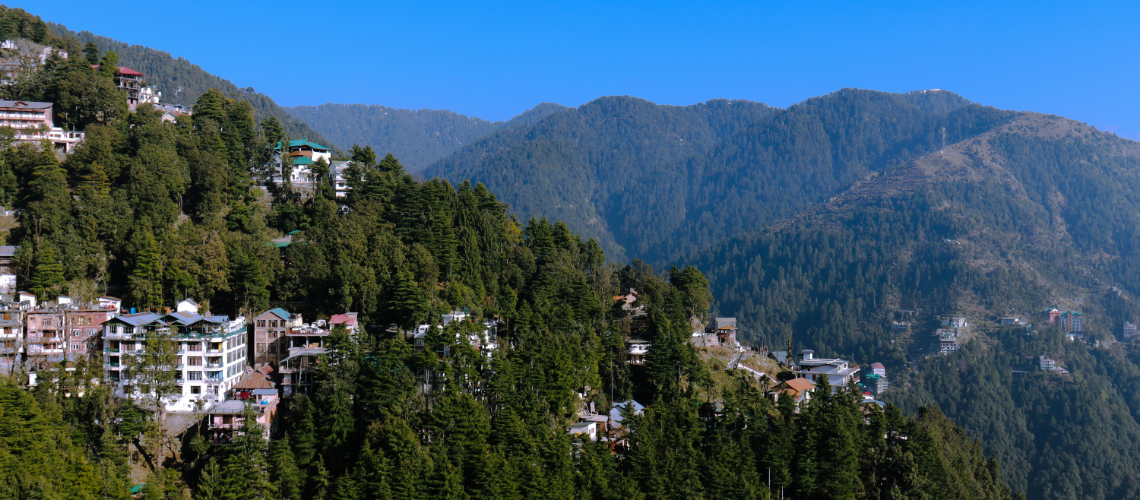
Dalhousie moves at a different pace from most Himachal hill stations, and that slower rhythm is part of its appeal. Colonial churches, pine covered hillsides and a Mall Road built for gentle strolling give the town an older character than its busier neighbours. This Dalhousie travel guide covers the best places to visit in Dalhousie, local food worth trying and the day trips that make a longer stay worthwhile, with practical ideas for planning a first visit without rushing from one sight to another.
Getting to Know Dalhousie
The British founded Dalhousie in 1854 as a summer retreat for the Governor General of India. Built across a Dalhousie Travel Guidecluster of hills in Chamba district, the town still carries traces of that colonial past in its churches, cottages and the layout around Gandhi Chowk.
Unlike hill stations that have developed primarily around sightseeing, Dalhousie rewards a slower approach. Mall Road is better suited to an unhurried walk than a quick checklist of shops, while the wooded slopes around town invite visitors to spend an afternoon simply taking in the mountain air.
For first time visitors, it helps to think of Dalhousie as a base rather than a destination that needs to be rushed through. The town itself can be explored at an easy pace, while places such as Khajjiar, Kalatop and Chamera can be added as day trips.
Best Places to Visit in Dalhousie
The best places to visit in Dalhousie range from colonial churches and busy market squares to forested viewpoints and mountain trails. Most can be covered comfortably over two days, with additional time needed for the surrounding attractions.
Gandhi Chowk and Mall Road
Gandhi Chowk forms the centre of Dalhousie’s everyday activity and is one of the easiest places to begin exploring the town. Mall Road runs through the main commercial area, with cafes, small shops and Tibetan handicrafts lining the route.

It is also a good place to slow down rather than simply pass through. A morning walk, followed by breakfast at a local cafe, gives a better sense of Dalhousie’s character than trying to fit every attraction into a single afternoon.
St John’s Church
St John’s Church, built in 1863, is one of Dalhousie’s most recognisable colonial landmarks and the oldest church in the town. Its stone architecture and wooded surroundings make it a natural stop while exploring the central part of Dalhousie.
The church also reflects the town’s origins as a British summer retreat and provides useful historical context for the older buildings scattered around Gandhi Chowk and Mall Road.
Panchpula
Panchpula lies a short distance from central Dalhousie and takes its name from the meeting point of five mountain streams. The area is surrounded by forest and is associated with a memorial to freedom fighter Sardar Ajit Singh.
It works well as a short outing rather than a full day excursion and can easily be combined with other Dalhousie tourist places when planning a relaxed sightseeing route.
Dainkund Peak
At around 2,755 metres, Dainkund Peak is the highest point around Dalhousie and one of the best places nearby for panoramic mountain views. The route towards the summit passes through forest before opening onto wider views of the surrounding valleys.
Dainkund is also known as Singing Hill because of the sound created by the wind moving across the exposed ridge. A small temple near the summit adds another reason to include the walk in a Dalhousie itinerary.
Kalatop Wildlife Sanctuary
Kalatop Wildlife Sanctuary offers a completely different experience from Dalhousie’s churches and market areas. Dense deodar, pine and oak forests cover the slopes, with opportunities to spot birds and wildlife while walking through the sanctuary.
The forested setting makes Kalatop particularly useful for travellers who want to balance sightseeing with quieter outdoor experiences.
Things to Do in Dalhousie Beyond Sightseeing
Dalhousie is not a destination that needs to be experienced entirely through monuments and viewpoints. Walking along Mall Road, exploring the old churches, spending time in local cafes and taking short forest walks all work well for a slower trip.
Travellers who enjoy photography can also make the most of the changing mountain light around Dainkund and the surrounding forest roads. The town’s colonial buildings, pine covered slopes and distant mountain views give plenty to photograph without requiring a demanding trek.
For visitors with more time, the surrounding Chamba region opens up opportunities for longer drives and day trips, particularly towards Khajjiar and Chamera Lake.
What to Eat in Dalhousie
Dalhousie’s food scene combines Himachali cooking with Punjabi, Tibetan and cafe influences. Trying local dishes is one of the easiest ways to experience the region beyond its viewpoints and colonial architecture.
Himachali Food to Try
Aktori, a savoury buckwheat pancake, and babru, a stuffed fried bread similar in style to a kachori, are two regional specialities worth seeking out. Madra, made with chickpeas or beans cooked slowly in a yoghurt based gravy, is another familiar Himachali dish that appears on local menus.
Simple meals built around dal, vegetables, chapati and yoghurt are also common, particularly at local restaurants and dhabas.
Cafes, Bakeries and Tibetan Food
Gandhi Chowk has much of Dalhousie’s cafe and bakery scene, with options ranging from coffee and pastries to full meals. Subhash Chowk has a more local feel, with dhabas serving Punjabi and North Indian comfort food.
Tibetan momos and noodle soups are also easy to find around town, giving visitors another option when they want something different from traditional Himachali food.
Best Day Trips from Dalhousie
One of the advantages of staying in Dalhousie is the number of attractions that can be reached within a day. Khajjiar is the obvious choice for first time visitors, while Chamera Lake and other parts of the Chamba region suit travellers with more time.
Khajjiar
Around 20 kilometres from Dalhousie, Khajjiar is one of the most popular day trips in the region. Its open meadow, small lake and surrounding deodar forest give it a landscape very different from the built-up areas of Dalhousie.

The Khajji Nag Temple adds a historical dimension to the visit, with its origins generally dated to the medieval period. A trip to Khajjiar works particularly well for travellers who want an easy combination of scenery, walking and local history.
Chamera Lake
Chamera Lake is a manmade reservoir on the Ravi River and offers a different kind of outing from Dalhousie’s forest trails and viewpoints. Boating and other water-based activities can be available depending on local conditions.
The drive itself is part of the experience, with mountain roads opening into views of the reservoir and surrounding hills.
Sach Pass
Sach Pass is a much more demanding option and is best suited to travellers looking for a high-altitude mountain route rather than a conventional sightseeing trip. The pass connects the Chamba region with the remote Pangi Valley and is generally accessible only during the warmer months.
Because conditions can change quickly at high altitude, Sach Pass requires considerably more planning than a standard Dalhousie day trip.
How Many Days Do You Need in Dalhousie?
Two days are enough to explore the main places to visit in Dalhousie, including Gandhi Chowk, St John’s Church, Panchpula and Dainkund Peak at a comfortable pace.
A third day can be used for Khajjiar, while travellers with four or more days can add Kalatop, Chamera Lake or a slower exploration of the surrounding Chamba region.
A simple three day Dalhousie itinerary could look like this:
Day 1: Gandhi Chowk, Mall Road, St John’s Church and Panchpula
Day 2: Dainkund Peak and Kalatop Wildlife Sanctuary
Day 3: Khajjiar day trip
This approach leaves enough room for breaks and changing mountain weather rather than turning the trip into a race between attractions.
Best Time to Visit Dalhousie
March to June is generally comfortable for sightseeing, walking and exploring the surrounding attractions. September to November can also bring clearer mountain views and pleasant conditions.
July and August are monsoon months, when heavy rain can affect visibility and road conditions. December to February brings colder weather, with snow possible at higher points such as Dainkund Peak.
The best time to visit therefore depends partly on what you want from the trip. Summer suits sightseeing and day trips, autumn offers clearer mountain views and winter is more appealing to travellers hoping to experience snow.
Frequently Asked Questions
How many days are enough for Dalhousie?
Two days are enough to cover the main attractions in Dalhousie, including Gandhi Chowk, St John’s Church, Panchpula and Dainkund Peak. Three days allow enough time to add Khajjiar as a day trip.
What is Dalhousie famous for?
Dalhousie is known for its colonial architecture, pine covered hills, cool climate and relaxed pace. It is also a popular base for visiting Khajjiar and other attractions in the Chamba region.
What are the best places to visit in Dalhousie?
Gandhi Chowk, Mall Road, St John’s Church, Panchpula, Dainkund Peak and Kalatop Wildlife Sanctuary are among the main places to visit in Dalhousie. Khajjiar is one of the most popular attractions to add as a day trip.
Is Khajjiar the same as Dalhousie?
No. Khajjiar is a separate destination around 20 kilometres from Dalhousie and is usually visited as a day trip. Most travellers stay in Dalhousie and travel to Khajjiar by car or taxi.
What food should I try in Dalhousie?
Aktori, babru and madra are good Himachali dishes to try in Dalhousie. Tibetan momos and noodle soup are also widely available, while Gandhi Chowk has cafes and bakeries serving breakfast, coffee and snacks.
What is the best time to visit Dalhousie?
March to June and September to November are good periods for sightseeing and outdoor activities. July and August bring monsoon rain, while December to February is colder and can bring snow at higher elevations.
Is Dalhousie good for a family trip?
Yes. Dalhousie’s relaxed pace, accessible Mall Road and range of short outings make it suitable for families. Khajjiar, Kalatop and the town’s central attractions can be combined without requiring long or demanding treks.
How do I get to Dalhousie?
Pathankot is the nearest major railway connection, while Gaggal Airport near Kangra is the closest airport commonly used by visitors. From either point, the final part of the journey is by road. Dalhousie is also accessible by road from cities such as Chandigarh and Amritsar.
Planning a Dalhousie Trip Beyond the Guide
Dalhousie works best when the itinerary leaves room for the landscape rather than trying to fill every hour with sightseeing. Two focused days can cover the town itself, while a third day opens up Khajjiar and the wider Chamba region.
Immersive Trips builds Himachal Pradesh tour packages around the traveller’s available time and interests, so Dalhousie can work as a short standalone stay or as part of a longer Himachal route that includes Dharamshala, Khajjiar and other mountain destinations