
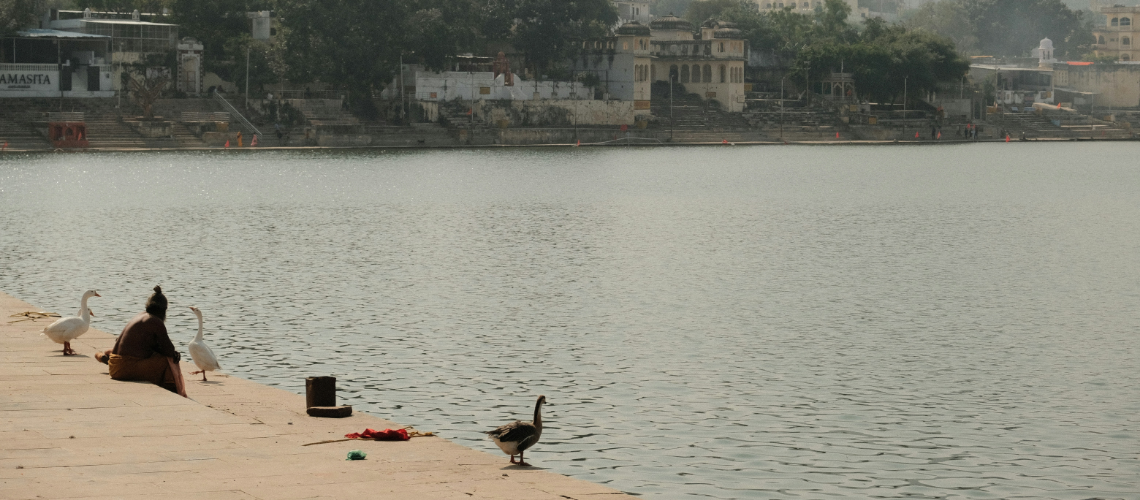
The places to visit in Pushkar centre on one of India’s holiest lakes and the rare temples that surround it, set within a natural bowl of the Aravalli hills. From a sacred lake ringed by 52 ghats to one of the only Brahma temples in the world, from a hilltop temple with panoramic sunset views to ancient shrines and bohemian markets, Pushkar packs a remarkable spiritual and cultural richness into a small and walkable town. This guide covers every significant place worth visiting, with the historical and religious context you need to plan your time in this unique pilgrimage town.
For activity ideas and trip planning, see our things to do in Pushkar and Pushkar travel guide.
Places to Visit in Pushkar: Pushkar Lake and the 52 Ghats
The Pushkar Lake is the soul of the town and its most important place to visit, a sacred lake described in Hindu scriptures as Tirtha Raj, the king of all pilgrimage sites. According to legend, the lake was created when Lord Brahma dropped a lotus flower to the earth. It is surrounded by 52 ghats (stone bathing steps) and hundreds of temples, and pilgrims descend to the water to take a holy dip, believed to cleanse sins and bring good fortune.
Each ghat has its own significance and rituals. Walking the ghats at sunrise or sunset, watching the morning baths, the evening aarti ceremonies, and the daily religious life unfold, is one of the most atmospheric experiences in Rajasthan. (Note: be aware of unofficial “priests” on the ghats who may pressure visitors for donations.)
Brahma Temple
The Brahma Temple, dating in its current form to the 14th century, is the spiritual heart of Pushkar and one of the very few temples in the world dedicated to Lord Brahma, the creator in the Hindu trinity. According to legend, a curse from Brahma’s wife, Savitri, restricted his worship to Pushkar alone, which explains the temple’s rarity. The temple is distinguished by its striking red spire, marble floors, and a sanctum embedded with silver coins, and it is a major destination for Hindu pilgrims. Entry is free, morning is the most peaceful time, and modest dress is required (photography inside is not permitted).
Savitri Temple
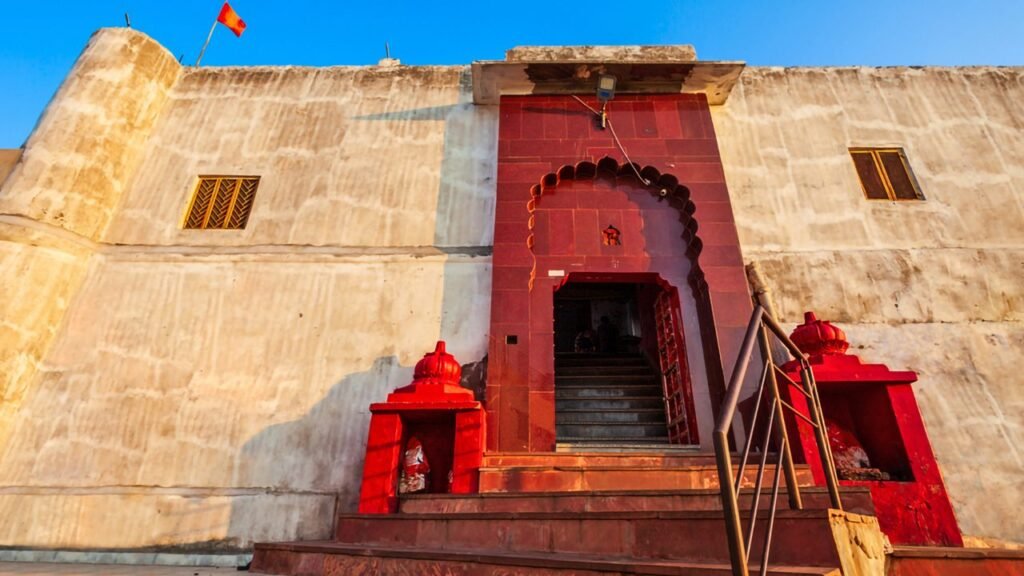
The Savitri Temple, dedicated to Brahma’s first wife Goddess Savitri, sits atop Ratnagiri Hill behind the Brahma Temple. It can be reached by a climb of stone steps or by a ropeway (inaugurated in 2016), which offers a bird’s-eye view of the town. The temple rewards visitors with spectacular panoramic views of Pushkar, the sacred lake, and the surrounding desert and Aravalli hills, and is at its most beautiful at sunrise and sunset. It is a peaceful spot that sees fewer crowds than the Brahma Temple.
Varaha Temple
The Varaha Temple, dedicated to Lord Vishnu’s boar incarnation (Varaha) and dating to the 12th century, is one of the oldest and most historically significant temples in Pushkar. According to legend, Varaha rescued the earth from the depths of the primaeval waters. Quieter and more reverent than the busy Brahma Temple, with detailed carvings and a serene courtyard, it rewards visitors seeking a less-touristed and more contemplative experience.
Rangji Temple
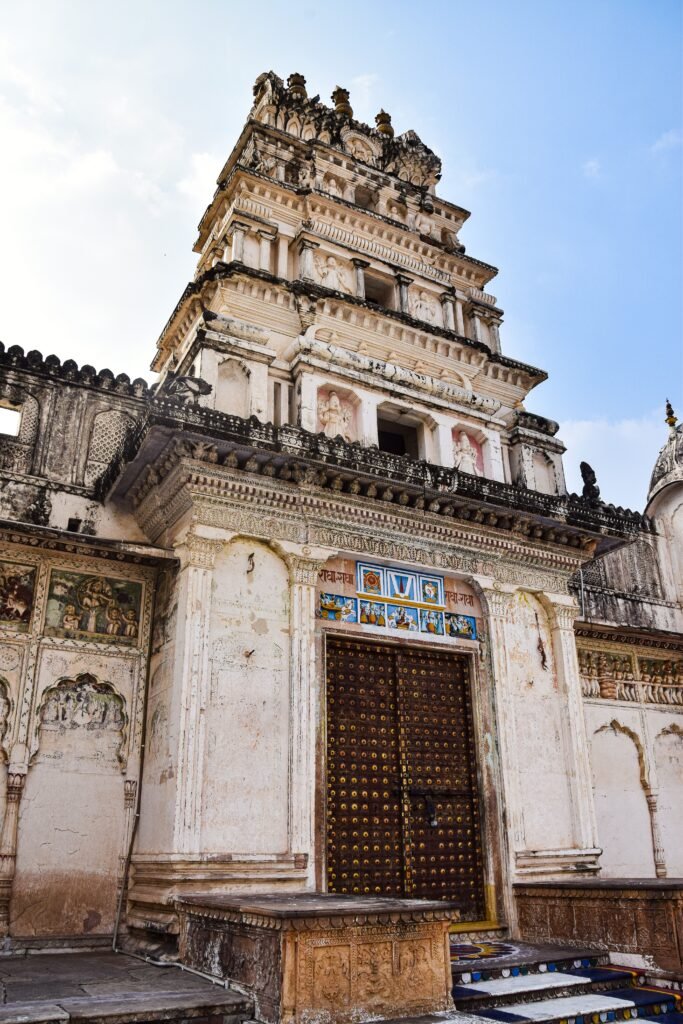
The Rangji Temple, built in a distinctive South Indian architectural style (with influences of Rajput and Mughal design), stands out among Pushkar’s shrines for its towering gopuram-style entrance and its blend of architectural traditions. Dedicated to Lord Vishnu, it attracts thousands of pilgrims and offers an interesting contrast to the town’s other temples.
Pushkar Bazaar
The Pushkar Bazaar, a stretch of narrow market lanes running through the town, is a place to visit in its own right, a shopper’s and culture lover’s paradise offering silver jewellery, embroidered and tie-dye clothing, camel-leather goods, brass, handmade journals, rose products, and quirky bohemian finds. It is a wonderful place for people-watching, and its energy captures Pushkar’s unique blend of the devotional and the bohemian. Our shopping in Rajasthan guide covers the market.
The surrounding desert and dunes
Pushkar’s setting on the edge of the Thar Desert makes the surrounding dunes and villages a rewarding place to explore, typically by camel safari ending with a desert sunset. The quieter desert landscape around Pushkar offers a scenic and relaxed alternative to the main desert destinations. Our desert safari in Rajasthan guide covers the experience.
Ajmer and the Ajmer Sharif Dargah
Just 11 to 15 kilometres from Pushkar, the city of Ajmer is home to the Ajmer Sharif Dargah, one of the most important Sufi Muslim pilgrimage sites in India, the shrine of the saint Khwaja Moinuddin Chishti. It attracts pilgrims of many faiths and offers a fascinating contrast to Pushkar’s Hindu spirituality, making it a rewarding addition to a Pushkar visit that reflects the region’s religious diversity.
Plan your Pushkar visit with Immersive Trips
At Immersive Trips, we help travellers experience the best of Pushkar’s sacred and cultural sights, from the holy lake and the rare Brahma Temple to the hilltop views and bohemian markets, with the local knowledge to navigate this unique town respectfully. Get in touch with our team to plan your Pushkar visit.
Frequently asked questions about places to visit in Pushkar
What are the must-visit places in Pushkar?
The essential places to visit are the sacred Pushkar Lake and its 52 ghats, the rare Brahma Temple, and the hilltop Savitri Temple. Beyond these, the ancient Varaha Temple, the South Indian style Rangji Temple, the Pushkar Bazaar, and the nearby Ajmer Sharif Dargah are the most rewarding additions.
Why is Pushkar Lake sacred?
Pushkar Lake is described in Hindu scriptures as Tirtha Raj, the king of all pilgrimage sites. According to legend, it was created when Lord Brahma dropped a lotus flower to the earth. Surrounded by 52 ghats and hundreds of temples, it is one of the holiest lakes in India, and a dip in its waters is believed to cleanse sins and bring good fortune.
What is special about the Brahma Temple?
The Brahma Temple in Pushkar is one of the very few temples in the world dedicated to Lord Brahma, the creator in the Hindu trinity. According to legend, a curse from Brahma’s wife, Savitri, restricted his worship to Pushkar alone, which explains its rarity. The 14th-century red-spired temple is the spiritual heart of Pushkar and a major pilgrimage site.
How do I reach the Savitri Temple?
The Savitri Temple, atop Ratnagiri Hill behind the Brahma Temple, can be reached by a climb of stone steps or by a ropeway (cable car), inaugurated in 2016, which offers a bird’s-eye view of the town. It rewards visitors with spectacular panoramic views of Pushkar, the sacred lake, and the surrounding desert, and is at its most beautiful at sunrise and sunset.
Is the Varaha Temple worth visiting?
Yes, particularly for those seeking a quieter, more contemplative experience. The Varaha Temple, dedicated to Lord Vishnu’s boar incarnation and dating to the 12th century, is one of the oldest and most historically significant temples in Pushkar, with detailed carvings and a serene courtyard, offering a peaceful contrast to the busy Brahma Temple.
How much time do I need to see Pushkar’s sights?
One to two days is enough to see Pushkar’s main sights: the sacred lake and ghats, the Brahma Temple, the Savitri Temple, the Varaha and Rangji temples, and the bazaar. Those visiting during the November Camel Fair should allow longer to experience the festival fully.
What is the Rangji Temple known for?
The Rangji Temple is known for its distinctive South Indian architectural style, with a towering gopuram-style entrance, blended with Rajput and Mughal influences. Dedicated to Lord Vishnu, it stands out among Pushkar’s shrines and offers an interesting architectural contrast to the town’s other temples.
Can I visit the desert near Pushkar?
Yes. Pushkar’s setting on the edge of the Thar Desert makes the surrounding dunes and villages a rewarding place to explore, typically by camel safari ending with a desert sunset. The quieter desert landscape around Pushkar offers a scenic and relaxed alternative to the main desert destinations such as Jaisalmer.
Should I visit Ajmer from Pushkar?
Yes, if time allows. The city of Ajmer, just 11 to 15 kilometres from Pushkar, is home to the Ajmer Sharif Dargah, one of the most important Sufi Muslim pilgrimage sites in India. It offers a fascinating contrast to Pushkar’s Hindu spirituality and reflects the religious diversity of the region.
What is the best time to visit Pushkar’s sights?
October to March offers the most comfortable weather for exploring Pushkar’s temples, ghats, and market on foot. The ghats are most beautiful at sunrise and sunset, and the Savitri Temple offers the best views at those times. November brings the Camel Fair and peak crowds, while the summer months (April to June) are very hot.