
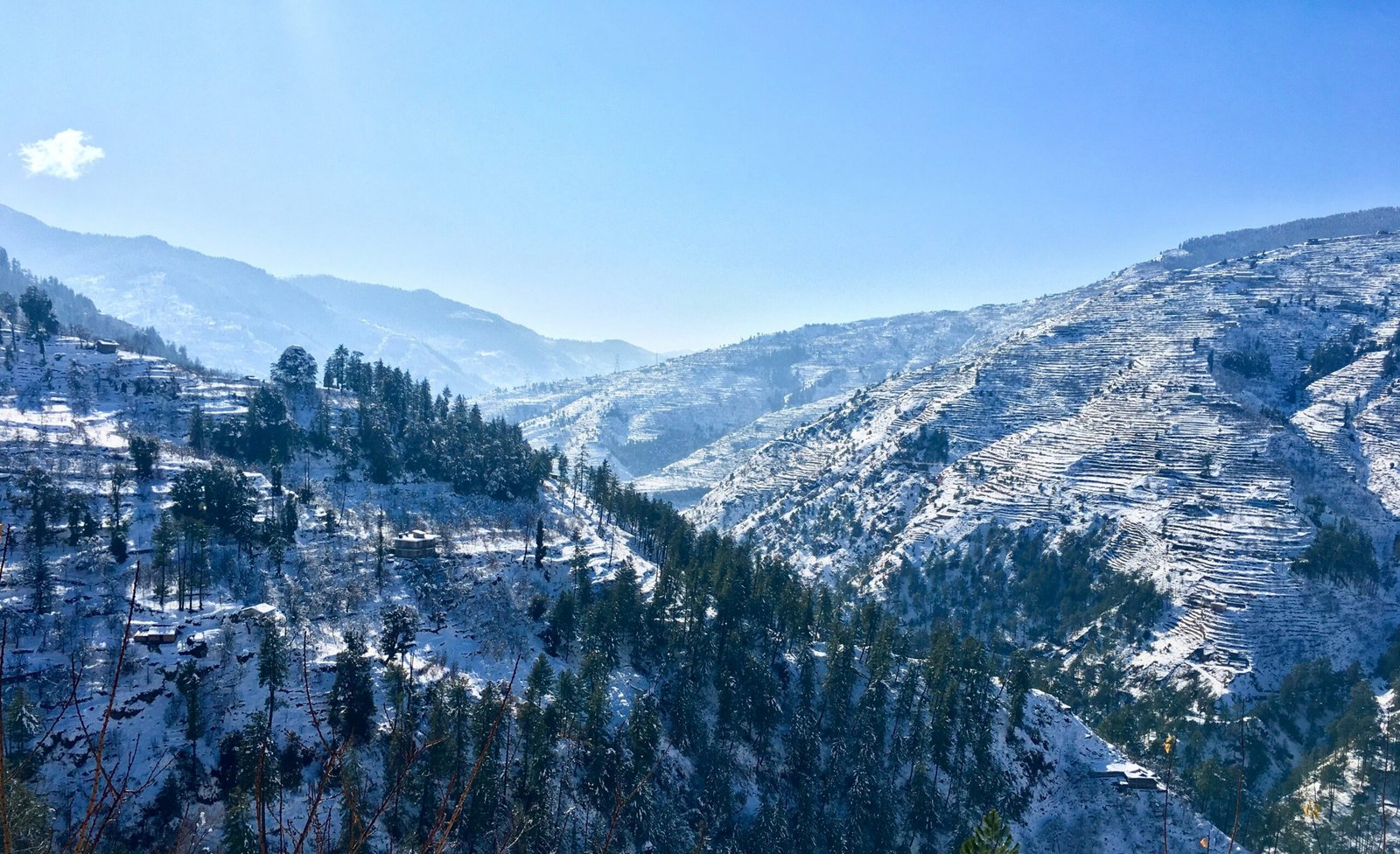
Choosing between Shimla and Manali is one of the most common questions travellers ask when planning a holiday in Himachal. At first glance, both seem to offer the same promise: mountain views, cooler air, scenic roads, and a break from the pace of city life. But once you look more closely, the experience each destination offers starts to feel quite different.
When considering your next getaway, you may find yourself pondering the Shimla or Manali debate. Both destinations have unique offerings that appeal to different types of travelers.
Some travellers want a holiday that feels easy, charming, and gently paced. Others are drawn to trips with larger landscapes, stronger adventure energy, and a sense of escape that feels a little more dramatic. That is where the Shimla vs Manali question becomes useful. It is less about which destination is better in general and more about which one suits the kind of trip you want right now.
Ultimately, the Shimla or Manali question focuses on your personal travel preferences, whether you lean towards the serene charm of Shimla or the adventurous spirit of Manali.If you are wondering where to go in Himachal for your next mountain break, it helps to look beyond the obvious. Both destinations are popular for good reason, but they deliver different moods, different travel rhythms, and different kinds of memories. The best choice often depends on your travel style, the people you are travelling with, and what you want your Himachal trip plan to feel like.
Shimla vs Manali: Distance and Travel Time from Major Cities
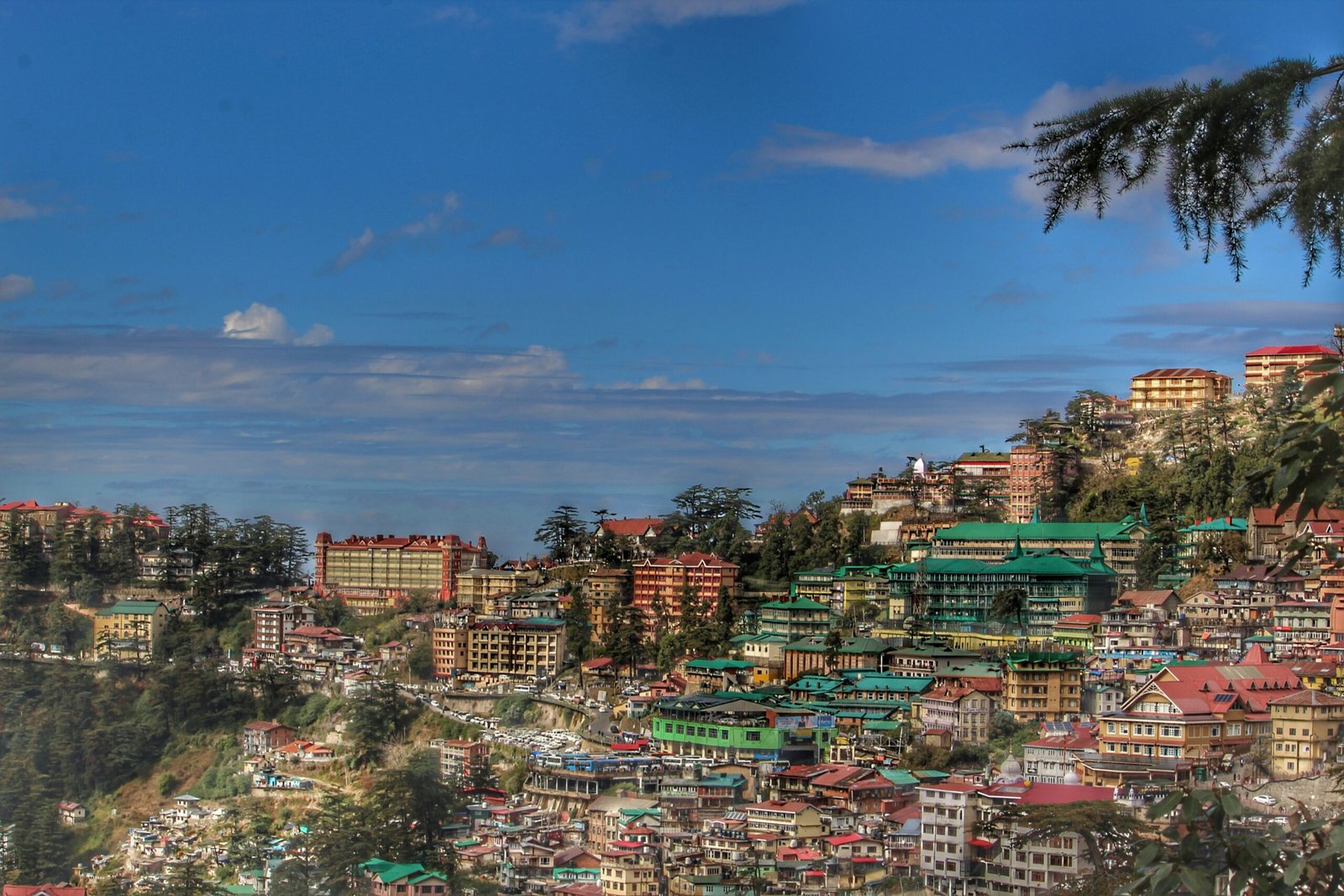
One of the most practical differences between the Shimla and Manali decisions is how long it takes to get there. If you are travelling from Delhi or Chandigarh, the gap between the two destinations is significant enough to shape your entire trip plan.
For those deciding between Shimla and Manali, consider what type of experiences you value most.
| Departure City | Destination | Distance | Travel Time | Mode |
|---|---|---|---|---|
| Delhi | Shimla | 343 km | 7-8 hours | Road / Toy Train (Kalka) |
| Delhi | Manali | 570 km | 12-14 hours | Road / Overnight Volvo |
| Chandigarh | Shimla | 116 km | 3-4 hours | Road |
| Chandigarh | Manali | 273 km | 7-8 hours | Road |
For travellers seeking a shorter, quicker getaway, Shimla is the more practical choice. For those willing to take a longer journey in exchange for more expansive mountain scenery, Manali is worth every kilometre of the road.
A shorter trip may make Shimla the ideal choice, but longer vacations often lead travellers to explore more of Manali.
Shimla: The Classic Hill Station for a Relaxed Himachal Trip
Why Choose Shimla?
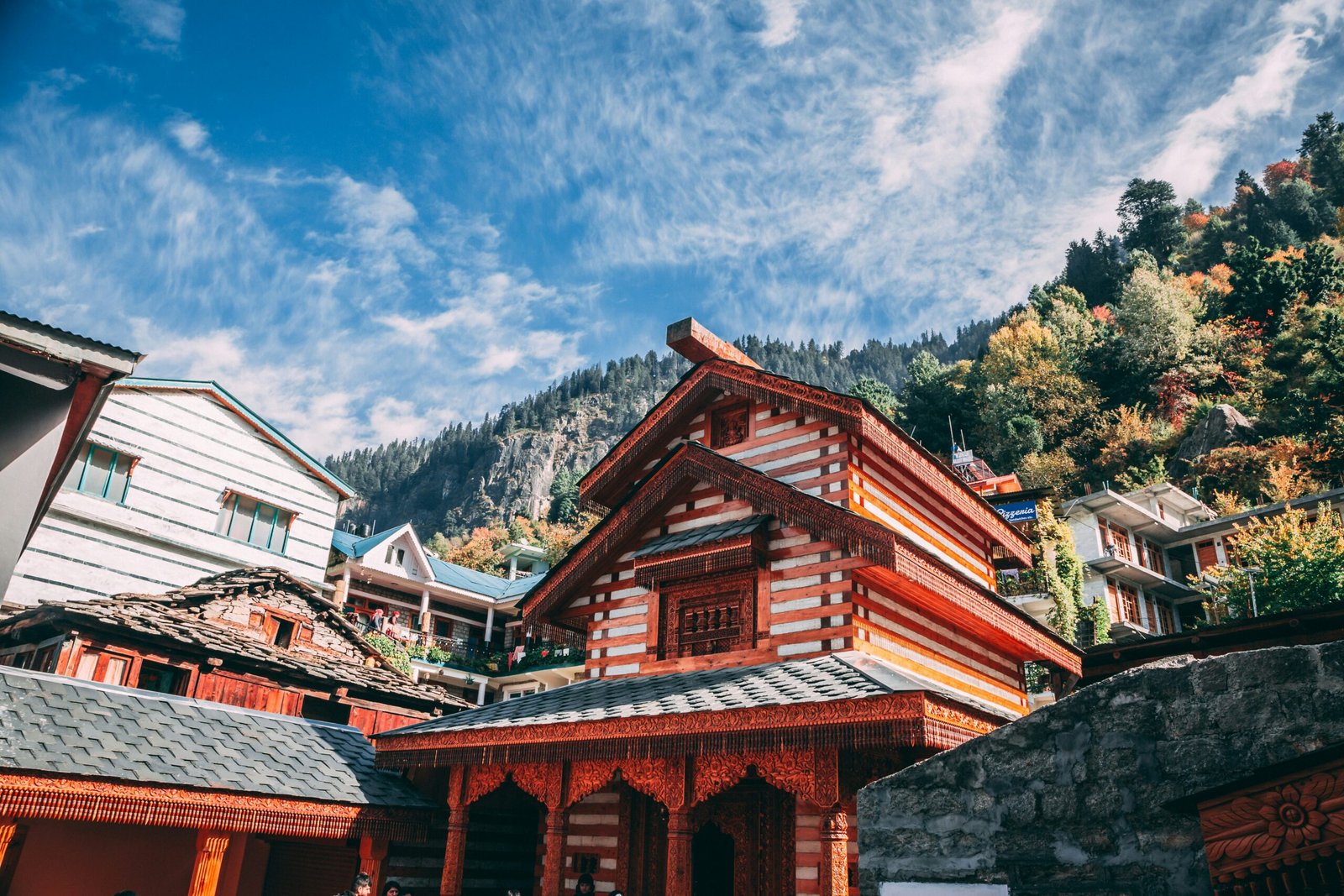
Shimla, once the summer capital of British India, carries its colonial heritage with quiet elegance. The town is compact, walkable, and easy to navigate – especially for first-time hill travellers, families, and those on shorter breaks.
In the Shimla or Manali debate, the historical significance of Shimla often attracts those interested in colonial architecture.
Top things to do in Shimla:
- Walk the Mall Road and Lakkar Bazaar at your own pace
- Visit Viceregal Lodge and Christ Church — two of North India’s finest colonial landmarks
- Take the iconic Kalka–Shimla toy train, a UNESCO-recognised heritage railway
- Day trip to Kufri for snow (November–February) and scenic views
- Explore Naldera, Fagu, and Chail for quieter, off-the-beaten-path experiences
Best time to visit Shimla:
- Summer (March to June): Pleasant weather, ideal for families and sightseeing
- Winter (November to January): Snow at Kufri, festive atmosphere on Mall Road
Shimla is ideal for:
- families with children and elderly travellers
- first-time visitors to Himachal
- short 3- to 4-day trips, and travellers who prefer comfort and heritage over adventure.
For many travellers, Shimla works best when the goal is to slow down without overcomplicating the journey. You can spend time walking through the town, enjoying viewpoints, visiting nearby spots, and simply settling into the cool air and change of pace. If your ideal holiday includes cafes, scenic strolls, and a more settled hill-station feel, Shimla may be the easier answer to the Shimla-versus-Manali debate.
For a relaxed family vacation, Shimla is a safe bet, while adventure seekers may favor Manali.
Manali: The Mountain Escape for Adventure and Dramatic Scenery
Why Choose Manali?
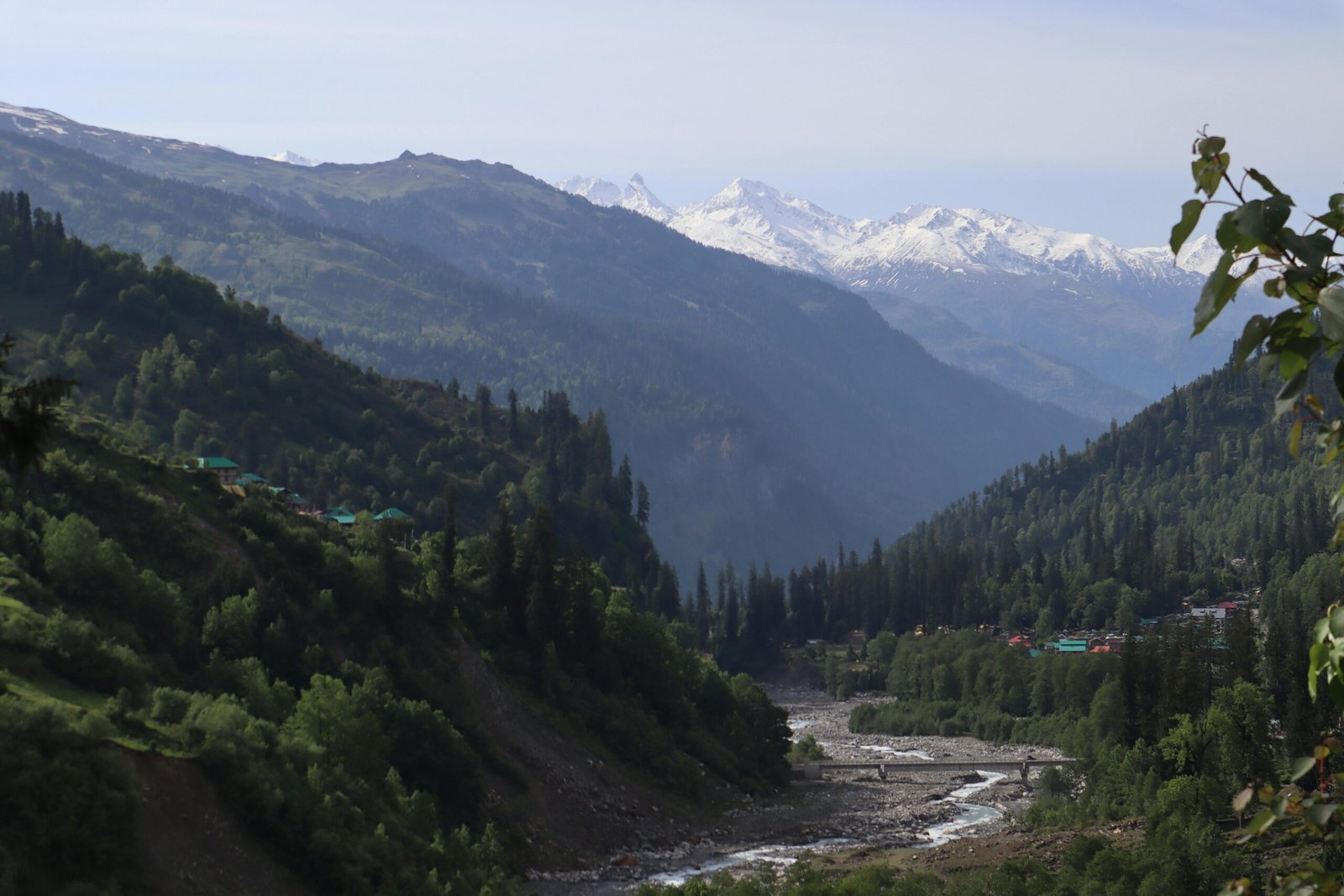
Manali sits in the Kullu Valley at around 2,050 metres above sea level, surrounded by the Pir Panjal and Dhauladhar mountain ranges. The scenery here is more dramatic, the pace more energetic, and the range of outdoor experiences far broader than Shimla.
Top things to do in Manali:
- Solang Valley: skiing, paragliding, zorbing, and snow activities
- Rohtang Pass: a snow-covered mountain pass open roughly from May to October
- Hadimba Devi Temple: a 16th-century wooden temple set among cedar forests
- Beas River: white-water rafting for adventure travellers
- Old Manali: relaxed café culture, mountain walks, and local charm
- Day trips to Kasol, Manikaran, and Parvati Valley
Best time to visit Manali:
- Summer (April to June): Best for outdoor activities, river rafting, Rohtang Pass access
- Winter (December to February): Heavy snowfall, skiing at Solang, scenic winter landscape
Manali is ideal for: Couples and honeymooners, adventure seekers and young travellers, those with 5-7 days available, and travellers who want snow, rivers, and high-altitude mountain landscapes.
Shimla or Manali for Families?
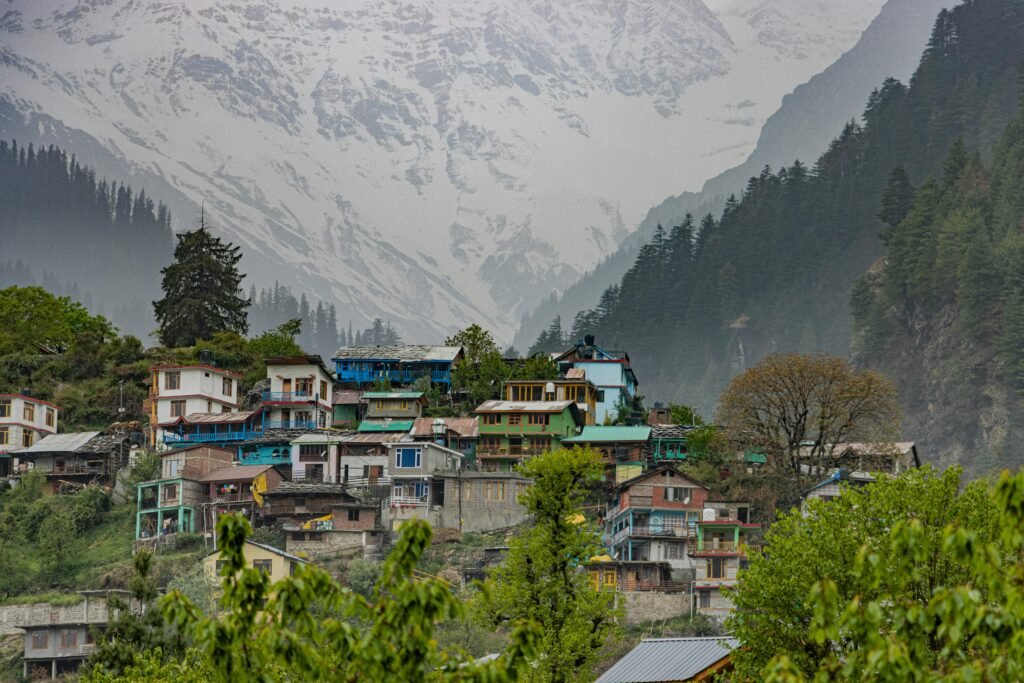
Shimla is generally the better choice for families, especially those travelling with young children, elderly members, or anyone who prefers a holiday without long travel fatigue. The town is compact, the roads within the hill station are manageable, and the overall experience is gentle and predictable. Kufri offers snow for children during the winter months. The Kalka–Shimla toy train is a special experience that most children and adults enjoy equally.
When travelling with children, many families find that Shimla is a better option than Manali.
Manali can absolutely work for families – especially those comfortable with a longer road journey and who enjoy open valleys and outdoor spaces. However, activities like Rohtang Pass and Solang Valley involve crowds, altitude, and physical activity that may not suit all family compositions.
Shimla vs Manali for Families
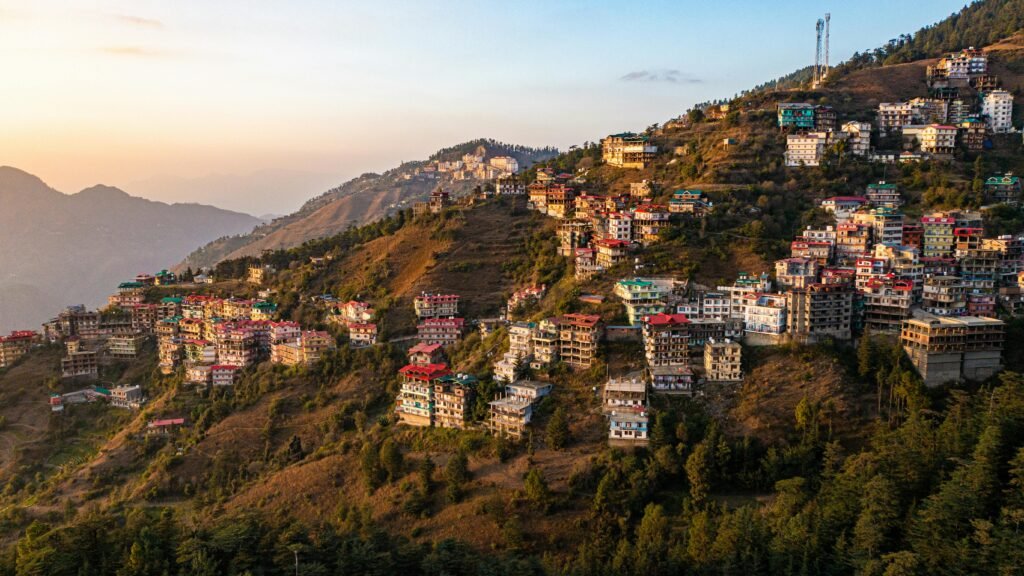
Families often find Shimla easier to manage, especially with children or older travellers. The pace can be lighter, the town structure is familiar, and the overall holiday tends to feel less physically demanding. If the goal is togetherness, comfort, and a simple mountain atmosphere, Shimla often works well.
That said, Manali can also be rewarding for families, particularly those who enjoy scenic drives, open spaces, and a slightly more dynamic holiday. It usually works best when the family is comfortable with longer travel and wants a mix of mountain views and activity. So in the Shimla vs Manali comparison, families often choose based on comfort level and desired pace rather than destination popularity.
When comparing Shimla and Manali, it’s essential to weigh your family’s needs against the landscapes and activities each offers.
Shimla or Manali for Couples and Honeymooners?

Both destinations work beautifully for couples, but with different moods.
Shimla for couples: Soft, nostalgic, and quietly romantic. Long walks on Mall Road, cosy stays in heritage properties, pine-scented mornings, and a slower rhythm. Best for couples who want intimacy through ease. Many couples find themselves choosing between Shimla or Manali based on the type of romance they seek.
Manali for couples: Cinematic, adventurous, and visually dramatic. River views, snow-covered valleys, Hadimba Temple in a cedar forest, and a Solang Valley cable car ride. Best for couples who want romance through landscape and shared adventure.
Honeymoon verdict: Manali is the more popular honeymoon destination in Himachal Pradesh, largely because the scenery and energy feel more memorable and photographically striking.
Shimla vs Manali for Adventure Travellers
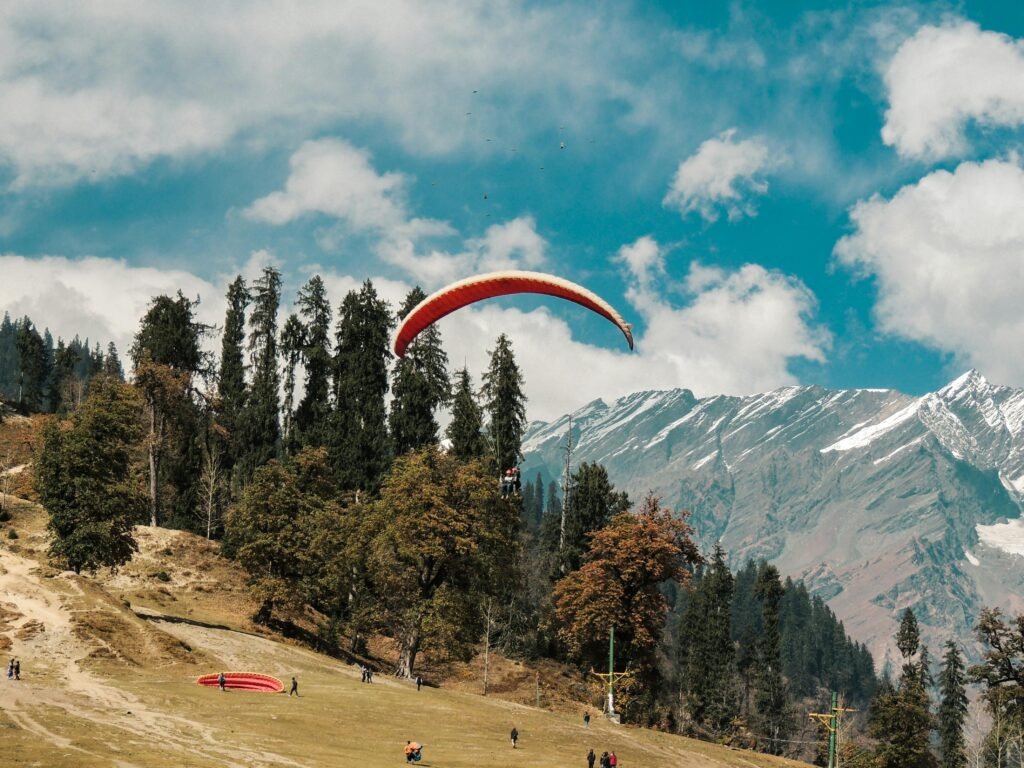
If outdoor activity, trekking, and high-altitude experiences are central to your Himachal trip plan, Manali has the clear edge.
For those focused on adventure, the Shimla or Manali choice becomes more straightforward.
Solang Valley offers paragliding, skiing, and zorbing. Rohtang Pass gives access to true high-altitude terrain. The Beas River is one of the most accessible white-water rafting spots in Himachal. The surrounding valleys also offer trekking routes to Beas Kund and Bhrigu Lake for experienced hikers.
Shimla is not without nature. Walking around Jakhu Hill and day trips to nearby valleys are peaceful and scenic. But the adventure quotient is lower, and the landscape is less dramatic than in Manali.
Shimla vs Manali: Which Is More Budget-Friendly?
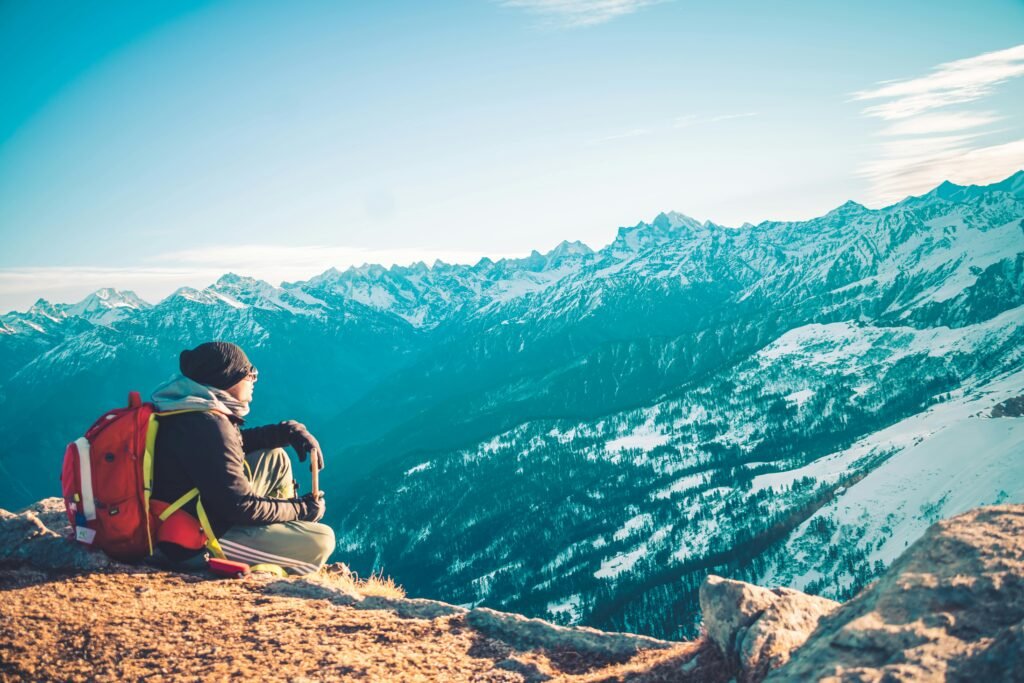
Shimla is generally the more budget-friendly option, largely because of shorter travel distance and a wider range of accommodation options at different price points.
Manali trips tend to cost slightly more due to the longer road journey, higher activity charges for skiing and paragliding, and the overall duration needed to experience it properly. That said, both destinations can be planned across a range of budgets with the right Himachal trip plan.
Ultimately, the Shimla or Manali discussion points to personal travel styles and what one finds appealing in a mountain destination.
Travel Style Matters More Than Popularity
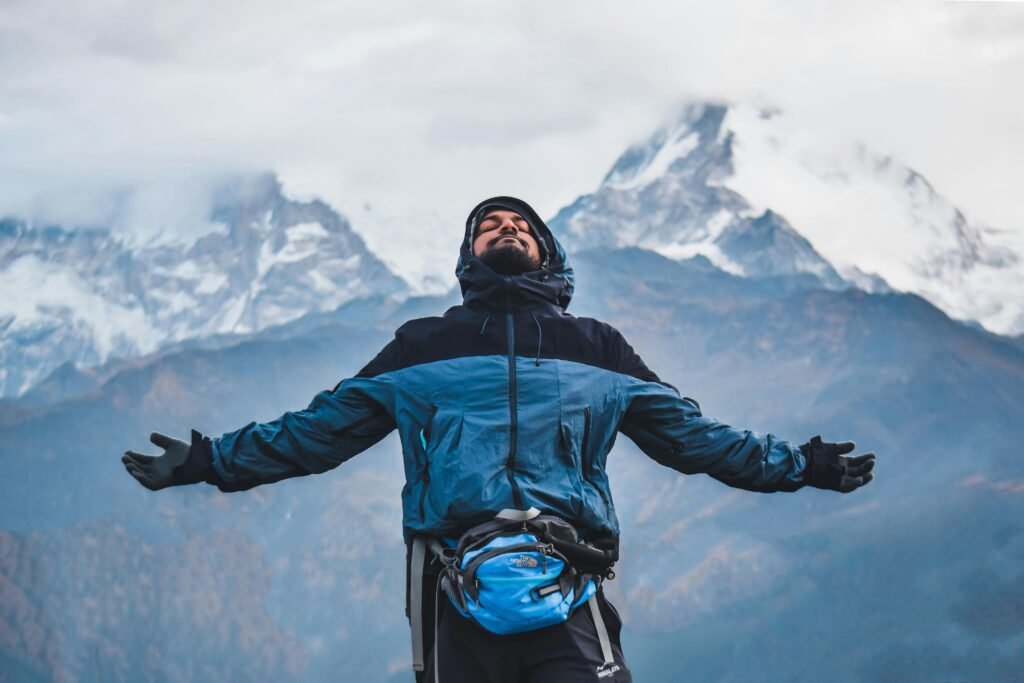
One of the easiest mistakes travellers make is choosing based on what is more famous or more frequently recommended. But a good trip is rarely built on popularity alone. It comes from choosing a destination that fits your energy, interests, and expectations.
The Shimla or Manali decision becomes much clearer when you think in terms of travel style. Shimla suits travellers who want classic hill station charm, convenience, and a quieter pace. Manali suits those who want bigger views, stronger mountain character, and a more open-ended holiday.
How to Make the Right Choice
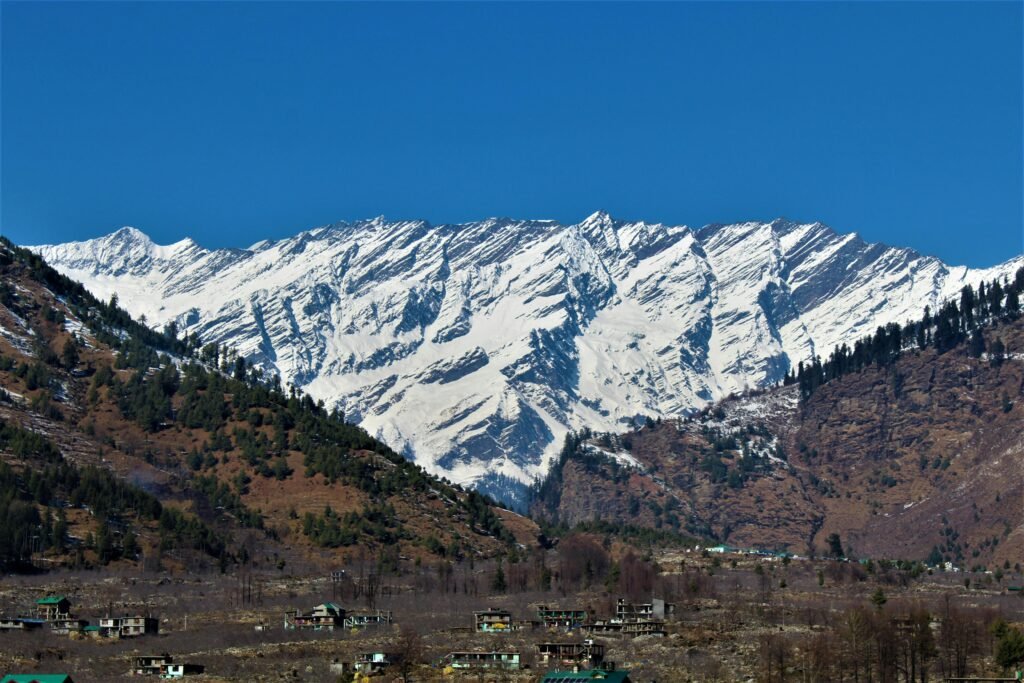
Choose Shimla if you want an easier hill break, are travelling with family, prefer shorter travel time, or enjoy heritage character and walkable town experiences. Choose Manali if you want a more scenic and energetic mountain holiday, are comfortable with a longer journey, and want nature to feel larger and more immersive.
There is no universal winner in the Shimla vs Manali conversation. The better destination is the one that suits the trip you actually want.
Can You Visit Both Shimla and Manali in One Trip?
Yes, many travellers prefer this. A combined Shimla-Manali tour package of 6 to 7 days lets you experience both destinations without having to choose between them. A typical route covers Delhi → Shimla (2 nights) → Manali (3 nights) → Delhi. This gives you colonial hill-town charm followed by bigger mountain scenery – the best of both Himachal worlds in one trip.
If you are planning a Shimla Manali Dharamshala tour, adding 1-2 extra days extends the journey to the cultural and spiritual charm of Dharamshala and McLeod Ganj.
Shimla vs Manali: Side-by-Side Comparison
| Factor | Shimla | Manali |
|---|---|---|
| Travel time from Delhi | 7-8 hours | 12-14 hours |
| Best for | Families, first-timers, short trips | Couples, adventurers, longer stays |
| Snowfall | Kufri (Dec-Feb) | Solang Valley, Rohtang (Dec-Mar) |
| Adventure activities | Moderate | High |
| Budget | More affordable | Slightly higher |
| Heritage & culture | Strong colonial character | Local Himachali and Tibetan culture |
| Best season | March-June, Nov-Jan | April-June, Dec-Feb |
| Ideal trip length | 3-4 days | 5-7 days |
| Honeymoon appeal | Romantic, gentle | Scenic, dramatic |
Final Thoughts: Shimla or Manali?
In closing, the Shimla or Manali question remains a personal one, and the answer will differ for each traveler.
The Shimla vs Manali question has no single right answer – only the answer that fits your trip. Shimla offers ease, heritage, and a classic hill town rhythm. Manali offers scale, drama, and the kind of mountain scenery that stays with you long after the trip ends. Reflect on your priorities and desires as you navigate the decision between Shimla and Manali.
If you are still unsure where to go in Himachal, start with the kind of holiday you need right now: a gentle pause or a bolder escape. Once you know that, your Himachal trip plan becomes far easier to shape and far more rewarding to experience.
Frequently Asked Questions
Shimla or Manali – which is better for a first-time visitor?
Shimla is generally the easier starting point for first-time hill travellers. It is closer to Delhi, simpler to navigate, and less physically demanding. Manali is better once you have a feel for what travel in Himachal is like.
Which is better – Shimla or Manali for a family trip?
Shimla suits most families more comfortably, especially with young children or older travellers. Manali can also work well for adventurous families who are comfortable with longer journeys.
Is Manali better than Shimla for a honeymoon?
Most honeymooners prefer Manali because of its dramatic mountain scenery and river views. Shimla offers a quieter, more intimate setting for couples who prefer a softer pace.
What is the best time to visit Shimla?
March to June for pleasant weather and sightseeing. November to January for snowfall at Kufri and the festive atmosphere on Mall Road.
What is the best time to visit Manali?
April to June for outdoor activities and access to Rohtang Pass – December to February for snow and skiing at Solang Valley.
Can I visit both Shimla and Manali in one trip?
Yes. A 6 to 7-day Shimla Manali tour package lets you comfortably experience both destinations. Many travellers also add Dharamshala to their Himachal journey.
Which is more budget-friendly – Shimla or Manali?
Shimla is typically more budget-friendly due to shorter travel distances and a wider range of accommodation options. Manali costs slightly more, especially when outdoor adventure activities are included.
For budget-conscious travellers, the Shimla or Manali options present different financial considerations.
Is Shimla or Manali better in summer?
Both are excellent summer destinations. Shimla (March-June) offers pleasant temperatures and easy sightseeing. Manali (April-June) is ideal for outdoor activities and river rafting before the monsoon arrives.