
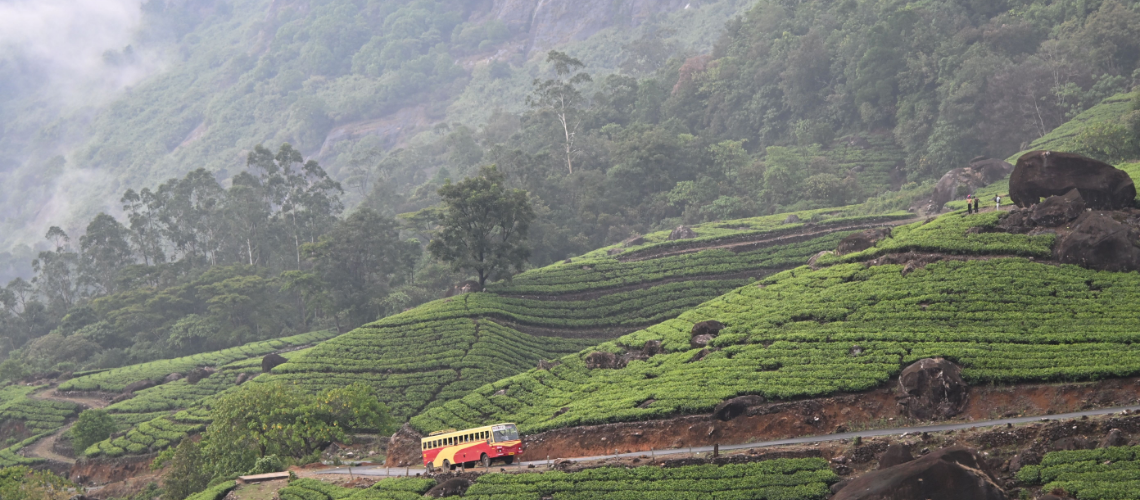
Most travel advice steers visitors away from Kerala during the monsoon, and for outdoor-activity-focused itineraries, there is good reason for that caution. But Kerala monsoon travel has its own dedicated following, built around a season the state’s own Ayurvedic tradition considers ideal for rejuvenation, landscapes that turn a more vivid green than at any other time of year, and a noticeably quieter, more contemplative version of destinations that can otherwise feel crowded. This guide covers what to expect, where to go, what to avoid, and how to plan a Kerala trip around the monsoon rather than simply working around it.
For broader seasonal planning, see our best time to visit Kerala guide, which covers the full annual picture alongside this monsoon-specific advice.
Understanding Kerala’s Monsoon
Kerala receives the southwest monsoon, which typically arrives in early June and continues through September, making Kerala traditionally the first part of India to receive the monsoon each year. A secondary, generally lighter northeast monsoon affects parts of southern Kerala between October and November. The state receives abundant rainfall during this period, sustaining the network of 44 rivers and thousands of streams that feed its backwaters, paddy fields, and waterfalls.
Rainfall is not constant throughout the day during the monsoon; it typically arrives in concentrated bursts, often dramatic and heavy, interspersed with periods of sunshine and even days that pass with relatively little rain at all. The intensity and pattern vary significantly by region, with the Western Ghats hill districts generally receiving heavier and more sustained rainfall than the coastal plains.
Why do Some Travellers Choose the Monsoon Deliberately
Karkidaka Chikitsa: the traditional Ayurvedic season
In Kerala’s own Ayurvedic tradition, the monsoon month of Karkidakam (roughly mid-July to mid-August) is considered the ideal period for rejuvenation and detoxification therapy. Ayurvedic physicians hold that the cooling, humid climate of this period makes the body more receptive to oil-based treatments and less prone to overheating during intensive Panchakarma programmes. Many of Kerala’s Ayurvedic resorts and clinics offer specific monsoon wellness packages during this window, and combine lower visitor numbers with particularly attentive service. See our guide to Kerala Ayurveda and wellness travel for more details.

Waterfalls at their most powerful
Kerala’s waterfalls, modest during the dry months, become genuinely spectacular during and immediately after the monsoon. Athirappilly Falls, often called the “Niagara of India,” reaches its most dramatic volume during this period, as do Soochipara and Meenmutty in Wayanad, and the falls along the Munnar-to-Kochi road. Visiting Kerala’s waterfalls specifically for their monsoon power is one of the clearest reasons to deliberately choose this season.
Lush landscapes and dramatic light
The tea estates of Munnar, the backwater paddy fields of Kuttanad, and the forests of Wayanad all reach their most vivid, saturated green during and after the monsoon. The light during this period, with dramatic cloud formations, sudden bursts of sun between showers, and a particularly atmospheric quality over the hills, appeals strongly to photographers and travellers who value mood and landscape over guaranteed dry conditions.
Significantly fewer crowds and lower prices
The monsoon is Kerala’s off-peak season, and accommodation prices drop noticeably compared to the October to March peak. Major attractions, including the backwaters and hill stations, see a fraction of the visitor numbers found during the dry season, allowing for a quieter and more contemplative travel experience.
What to be Cautious During Monsoon Travel
Houseboat restrictions: Some backwater routes are restricted or suspended during periods of heavy rainfall, and certain canals can become difficult to navigate. Overnight houseboat stays remain generally possible but should be booked with an operator who can advise on current conditions.
Trekking and hill station hazards: Treks to destinations like Chembra Peak in Wayanad or Meesapulimala near Munnar are often closed or strongly discouraged during the monsoon, as trails become slippery and potentially dangerous. Hill roads can also experience landslides during periods of intense rainfall.
Beach swimming: Sea conditions at most Kerala beaches become rough and dangerous during the monsoon, and swimming is generally inadvisable at Kovalam, Varkala, and most other coastal destinations during this period.
Wildlife safari limitations: Some wildlife sanctuary roads become impassable during heavy rain, and certain sanctuaries may restrict safari access during the peak monsoon months.
Travel disruption: Heavy rainfall can occasionally disrupt road travel, particularly in hill districts, and flights may be delayed during severe weather.

Best Monsoon Destinations in Kerala
Munnar and the hill stations remain rewarding during the monsoon, with the misty, cloud-wrapped tea estates taking on a particularly atmospheric quality, though some specific treks and viewpoints may be inaccessible.
Athirappilly and the waterfall circuit near Thrissur are at their absolute best during this season and arguably should be visited specifically during the monsoon rather than avoided.
Ayurvedic resorts in Kovalam, Kumarakom, and Varkala offer their most traditionally appropriate season for wellness travel, with the Karkidaka Chikitsa period drawing dedicated wellness travellers specifically for this reason.
Backwater stays in Kumarakom, and canal-side homestays can be genuinely lovely during the monsoon, with the lush green paddy fields of Kuttanad at their most vivid, though overnight houseboat itineraries should be confirmed with the operator in advance.
Tips for Travelling in Kerala During the Monsoon
Pack appropriately. Lightweight, quick-drying clothing, a good-quality rain jacket or poncho, a waterproof bag for electronics, and sturdy waterproof footwear are essential. Umbrellas are widely available locally if you arrive without one.
Build flexibility into your itinerary. Avoid scheduling tightly back-to-back activities, as sudden heavy rain can disrupt plans. Build in buffer time, particularly for hill stations and outdoor activities.
Consider a wellness-focused itinerary. If your primary interest is Ayurveda, the monsoon is genuinely the most traditionally appropriate season, and combining a structured wellness programme with the quieter pace of monsoon travel works particularly well.
Confirm houseboat and safari conditions before booking. Always check current conditions with your accommodation or tour operator, as monsoon intensity varies year to year and route availability can change accordingly.
Take advantage of lower prices. The monsoon offers some of the best value accommodation rates in Kerala, particularly at the luxury end of the market, for travellers willing to accept some itinerary flexibility.
Plan your Kerala Monsoon Trip with Immersive Trips
The monsoon is not a season to avoid in Kerala so much as a season to plan for differently. At Immersive Trips, we know which destinations and activities work well in the rain, how to build in the right flexibility, and how to combine a monsoon visit with a genuinely rewarding wellness- or landscape-focused itinerary. Get in touch with our team or explore our Kerala tour packages.
Frequently asked questions about Kerala monsoon travel
1. Is it a good idea to visit Kerala during the monsoon?
Yes, for the right kind of traveller. Those interested in Ayurvedic wellness, dramatic waterfalls, lush green landscapes, and a quieter, lower-cost travel experience will find the monsoon genuinely rewarding. Those primarily focused on beach time, trekking, and guaranteed dry conditions for outdoor activities should generally avoid this season.
2. When exactly is the Kerala monsoon?
The southwest monsoon typically runs from early June through September, with Kerala traditionally being the first part of India to receive it each year. A secondary, generally lighter northeast monsoon affects southern Kerala between October and November.
3. What is Karkidaka Chikitsa?
Karkidaka Chikitsa is the traditional Ayurvedic rejuvenation treatment associated with the Malayalam month of Karkidakam (roughly mid-July to mid-August). Ayurvedic practitioners consider this period, with its cooling, humid climate, ideal for detoxification and rejuvenation therapies, and many Kerala wellness resorts offer dedicated packages during this window.
4. Are houseboats still operating during the monsoon?
Generally, yes, though some specific routes may be restricted during periods of particularly heavy rainfall, and operators should be consulted about current conditions before booking. Overnight houseboat stays remain a viable monsoon activity for most of the season.
5. Is it safe to visit hill stations like Munnar during the monsoon?
Munnar remains accessible during the monsoon, though specific treks (such as Chembra Peak in nearby Wayanad or Meesapulimala) are often closed or discouraged due to slippery and potentially dangerous trail conditions. Standard sightseeing and plantation walks generally remain possible, with appropriate flexibility built into the schedule.
6. Which waterfalls are best to see during the monsoon?
Athirappilly Falls near Thrissur, often called the “Niagara of India,” is at its most spectacular during and immediately after the monsoon. Soochipara and Meenmutty Falls in Wayanad, and the falls along the Kochi-to-Munnar road, are similarly at their best during this period.
7. Are flights and hotel prices cheaper during the monsoon?
Yes, generally. The monsoon is Kerala’s off-peak season, and both accommodation and, to a lesser extent, flights tend to be more affordably priced than during the October to March peak season, making this an appealing time for budget-conscious or flexible travellers.
8. Can I do a beach holiday in Kerala during the monsoon?
Beach holidays are not recommended during the monsoon, as sea conditions become rough and swimming is generally unsafe at Kovalam, Varkala, and most other beaches in Kerala. A monsoon trip is better focused on hill stations, wellness retreats, and waterfall sightseeing rather than coastal relaxation.
9. What should I pack for Kerala monsoon travel?
Lightweight, quick-drying clothing, a quality rain jacket or poncho, a waterproof bag for electronics and important documents, and sturdy waterproof footwear are essential. An umbrella is useful, though these are also widely available locally and cheaply.
10. Is monsoon travel suitable for a first visit to Kerala?
It can be, particularly for travellers specifically interested in Ayurveda, photography, or experiencing Kerala’s landscapes at their most lush. However, first-time visitors who want to experience the full range of Kerala’s activities, including unrestricted backwater cruises, beach time, and hill station trekking, may find the October to March season better suited to a comprehensive first trip.