
Kerala is the traditional home of Ayurveda, one of the world’s oldest systems of medicine, and the state’s combination of qualified practitioners, suitable climate, abundant medicinal plants, and centuries of unbroken practice makes it one of the most significant wellness travel destinations anywhere. Kerala Ayurveda and wellness travel ranges from a single relaxing massage at a beach resort to a structured multi-week Panchakarma detoxification programme supervised by qualified physicians. This guide covers the foundations of Ayurveda, the most commonly offered treatments, the best destinations for wellness travel in Kerala, and how to plan a programme that genuinely serves your needs.
For broader Kerala planning, see our Kerala travel guide and our guide to Kerala monsoon travel, which covers the traditional Ayurvedic therapy season in detail.
Understanding Ayurveda
Ayurveda, meaning “the science of life” in Sanskrit, is a holistic system of medicine that originated in India over 5,000 years ago, with its foundational texts, the Charaka Samhita and Sushruta Samhita, dating to the Vedic period. The system is built on the Panchamahabhutha theory, the idea that the universe and the human body are composed of five fundamental elements, and on the concept of three doshas (Vatha, Pitta, and Kapha) whose balance determines an individual’s physical and mental constitution.
Kerala’s particular significance to Ayurveda stems from its natural resources: the state’s humid climate and fertile soil support an exceptional abundance of medicinal plants and herbs, and Kerala has maintained an unusually continuous and rigorous tradition of Ayurvedic practice compared to other parts of India, with families of hereditary physicians (vaidyas) passing knowledge through generations.
Panchakarma: The Core Ayurvedic Therapy
Panchakarma (“five actions”) is the central detoxification and rejuvenation therapy of Ayurveda, built around the principle that most illness originates from accumulated toxins caused by poor diet, environmental factors, and lifestyle habits. The treatment combines five established techniques delivered in a carefully sequenced programme, typically beginning with preparatory therapies (oil massage and steam treatments) before progressing to the main detoxification stages.
Panchakarma programmes are typically recommended in blocks of 14 to 21 days for meaningful therapeutic benefit, though shorter programmes of 7 days are also offered for general rejuvenation purposes rather than deep detoxification. A genuine Panchakarma programme includes consultation with a qualified Ayurvedic doctor, pulse diagnosis, a personalised treatment plan, daily treatments, Ayurvedic vegetarian meals prepared according to the individual’s dosha, and often complementary yoga and meditation sessions.

Common Ayurvedic Treatments in Kerala
Abhyanga: A full-body herbal oil massage performed by two therapists working in synchronised movements, intended to improve circulation, relax muscles, and prepare the body for further treatment.
Shirodhara: A continuous, gentle stream of warm herbal oil poured over the forehead for a sustained period, widely used for stress relief, insomnia, and certain neurological conditions. This is one of the most recognisable and sought-after Ayurvedic treatments.
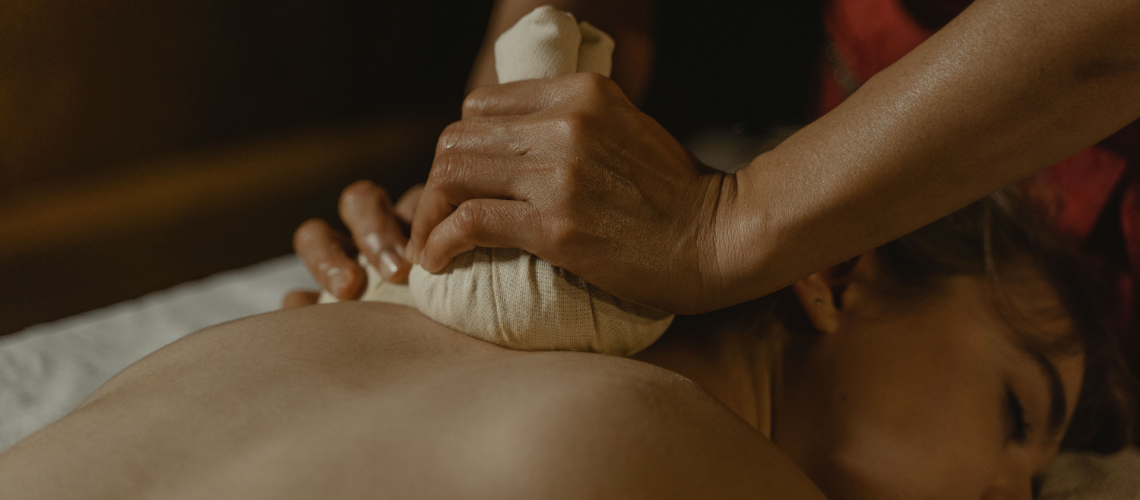
Elakizhi: A massage using warm poultices (kizhi) filled with medicinal leaves and herbs, often used for joint pain and muscular conditions.
Njavarakizhi: Similar to Elakizhi but using poultices filled with a specially cooked rice (Njavara), valued for its nourishing and rejuvenating properties, particularly for the nervous system and skeletal health.
Udwarthanam: A herbal powder massage technique using vigorous strokes, traditionally used to stimulate metabolism and reduce excess body weight.
Karkidaka Chikitsa: A specific monsoon-season treatment tradition, named after the Malayalam month of Karkidakam (roughly mid-July to mid-August), during which Ayurvedic physicians believe the body is most receptive to detoxification and rejuvenation therapies, owing to the cooling, humid climate of the monsoon period.
Best destinations for Ayurveda and Wellness Travel in Kerala
Kovalam
Kovalam, on the coast near Thiruvananthapuram, has one of the highest concentrations of established Ayurvedic resorts and clinics in Kerala. Somatheeram Ayurveda Village, widely described as the world’s first Ayurveda resort built specifically as an Ayurvedic village, has won multiple state tourism awards and offers an extensive range of treatments including shodhana chikitsa (purification therapy), rasayana chikitsa (rejuvenation), anti-ageing programmes, and weight management. The beachside setting allows treatment programmes to be combined with relaxed coastal living.
Kumarakom
Kumarakom, on the shores of Vembanad Lake, combines Ayurvedic wellness with the backwater landscape. The Kumarakom Lake Resort, which has hosted prominent international guests, including members of the British royal family, operates a 200-year-old Ayurmana (traditional Ayurvedic treatment building) and offers a comprehensive range of treatments, including weight-reduction, anti-ageing, de-stressing programmes, and full Panchakarma. The lakeside setting adds a particular tranquillity to the wellness experience.
Varkala
Varkala, with its dramatic clifftop setting above the Arabian Sea, has developed a strong concentration of Ayurvedic clinics and wellness centres, often combined with the town’s established yoga culture. The clifftop location, with its relaxed, slightly bohemian atmosphere, attracts a significant number of travellers specifically seeking longer wellness stays combining Ayurveda, yoga, and beach time.
Backwater wellness retreats
Several resorts in the Alleppey and Kuttanad backwater region offer Ayurvedic treatment combined with the slower rhythm of canal-side living. Fragrant Nature Backwater Resort, for example, operates its own certified organic farm supplying pesticide-free produce for the dietary component of its treatment programmes, alongside cruise boats, village cookery demonstrations, and local excursions.

What to Expect from a Structured Ayurveda Programme
Initial consultation: A qualified Ayurvedic doctor conducts a detailed assessment, often including pulse diagnosis (Nadi Pariksha), to determine your dosha constitution and any imbalances requiring treatment.
Personalised treatment plan: Programmes are tailored to the individual rather than following a fixed protocol, with treatments, oils, and dietary recommendations adjusted to your specific constitution and health goals.
Daily treatments: A typical day includes one or more therapy sessions, often beginning early in the morning, along with yoga or meditation at most reputable centres.
Ayurvedic diet: Meals are prepared according to Ayurvedic dietary principles and the individual’s dosha, and are generally vegetarian, light, and free of toxins (such as excess processed foods, caffeine, and alcohol) that the treatment is designed to address.
Look for NABH or Green Leaf certification: Several of Kerala’s most reputable Ayurvedic centres hold NABH (National Accreditation Board for Hospitals) certification or the Kerala government’s Green Leaf certification, both indicating adherence to recognised quality and authenticity standards.
Tips for Planning Ayurveda and Wellness Travel in Kerala
Allow sufficient time. A meaningful Panchakarma programme requires a minimum of 7 days, with 14 to 21 days recommended for significant therapeutic benefit. Shorter visits of a few days can still offer valuable relaxation and rejuvenation, but will not achieve the deeper detoxification effects.
Choose a centre with qualified physicians. Authentic Ayurvedic treatment should always begin with a consultation with a registered Ayurvedic doctor (BAMS-qualified), not simply a spa therapist. This distinction matters significantly for both safety and treatment effectiveness.
Consider the monsoon season. The traditional Karkidaka Chikitsa period (mid-July to mid-August) is considered by Ayurvedic practitioners to be the ideal time for rejuvenation therapy, owing to the cooling, humid climate that is believed to make the body more receptive to treatment. Many resorts offer specific monsoon wellness packages during this period.
Communicate any health conditions clearly. A proper Ayurvedic consultation should take into account any existing medical conditions, medications, or allergies before recommending a treatment plan.
Book well in advance for January. January is peak season for Ayurvedic travel to Kerala, and the best-regarded centres book out well in advance.
Plan your Ayurveda and Wellness journey with Immersive Trips
At Immersive Trips, we connect travellers to genuinely qualified Ayurvedic centres across Kerala, matching the right programme length, location, and treatment focus to your wellness goals. Get in touch with our team or explore our Kerala tour packages.
Frequently asked questions about Kerala Ayurveda and wellness travel
1. How long should an Ayurveda programme in Kerala be?
For genuine therapeutic detoxification, 14 to 21 days is the recommended duration for a Panchakarma programme. Shorter 7-day programmes offer valuable rejuvenation and relaxation benefits without the same depth of detoxification. Even a few days of Ayurvedic massage and treatment, without a full Panchakarma structure, can be a worthwhile addition to a broader Kerala trip.
2. What is the difference between a spa massage and a genuine Ayurvedic treatment?
Genuine Ayurvedic treatment begins with a consultation and diagnosis by a qualified Ayurvedic physician (BAMS qualified), who designs a personalised treatment plan based on your individual constitution. A standard spa massage, even if it uses similar techniques such as Abhyanga, does not involve medical diagnosis or a structured therapeutic programme. Both can be valuable, but they serve different purposes.
3. Is the monsoon season really the best time for Ayurveda treatment?
Traditional Ayurvedic practice in Kerala holds that the monsoon month of Karkidakam (mid-July to mid-August) is the ideal period for rejuvenation therapy, as the humid, cooling climate is believed to make the body more receptive to treatment and less prone to overheating during oil-based therapies. Many resorts offer specific monsoon wellness packages, and this period also coincides with lower tourist numbers and more attentive service.
4. Which destination in Kerala is best for Ayurveda travel?
Kovalam has the highest concentration of established, long-running Ayurvedic resorts and clinics. Kumarakom offers a luxury backwater setting combined with serious wellness programmes. Varkala combines Ayurveda with a strong yoga culture and a relaxed clifftop atmosphere. The right choice depends on whether you prioritise the beach, the backwaters, or a particular combination of wellness offerings.
5. What should I look for to ensure an Ayurvedic centre is authentic?
Look for NABH (National Accreditation Board for Hospitals) certification or the Kerala government’s Green Leaf certification, both of which indicate recognised quality and authenticity standards. Confirm that treatment begins with a consultation by a registered Ayurvedic physician rather than simply being offered as a spa menu item.
6. Is Ayurvedic treatment safe alongside existing medical conditions?
A qualified Ayurvedic physician should review your full medical history, including existing conditions and medications, before recommending any treatment. It is important to disclose this information honestly during your consultation, and to seek medical advice from your own doctor before undertaking significant Ayurvedic detoxification programmes if you have serious underlying health conditions.
7. What diet is followed during an Ayurveda programme?
Most structured programmes provide Ayurvedic vegetarian meals tailored to your dosha constitution, generally light, freshly prepared, and free from excess processed food, caffeine, and alcohol. Several resorts, particularly in the backwater region, source ingredients from their own organic farms to support the dietary component of treatment.
8. Can I combine Ayurveda treatment with sightseeing during my stay?
Yes, though intensive Panchakarma programmes typically involve a structured daily schedule of treatments that limits the time available for extensive sightseeing. Many travellers choose to combine a shorter wellness stay with a broader Kerala itinerary, or to treat the wellness centre stay as a dedicated, restful segment of their trip rather than combining it with active touring.
9. How much does an Ayurveda programme in Kerala typically cost?
Costs vary significantly based on the centre’s reputation, the programme’s duration, and the level of accommodation. A basic week-long programme at a modest centre will cost considerably less than a comparable stay at a luxury resort such as Somatheeram or Kumarakom Lake Resort. It is worth requesting a detailed breakdown of what is included (consultations, treatments, accommodation, and meals) before booking.
10. Is Ayurveda travel suitable for first-time visitors to Kerala?
Yes. Ayurveda and wellness travel can work well either as the primary focus of a Kerala trip or as a restorative segment within a broader itinerary covering backwaters, hill stations, and cultural sites. Many first-time visitors choose to begin or end their Kerala journey with a few days of Ayurvedic treatment to bookend a more active touring itinerary.