
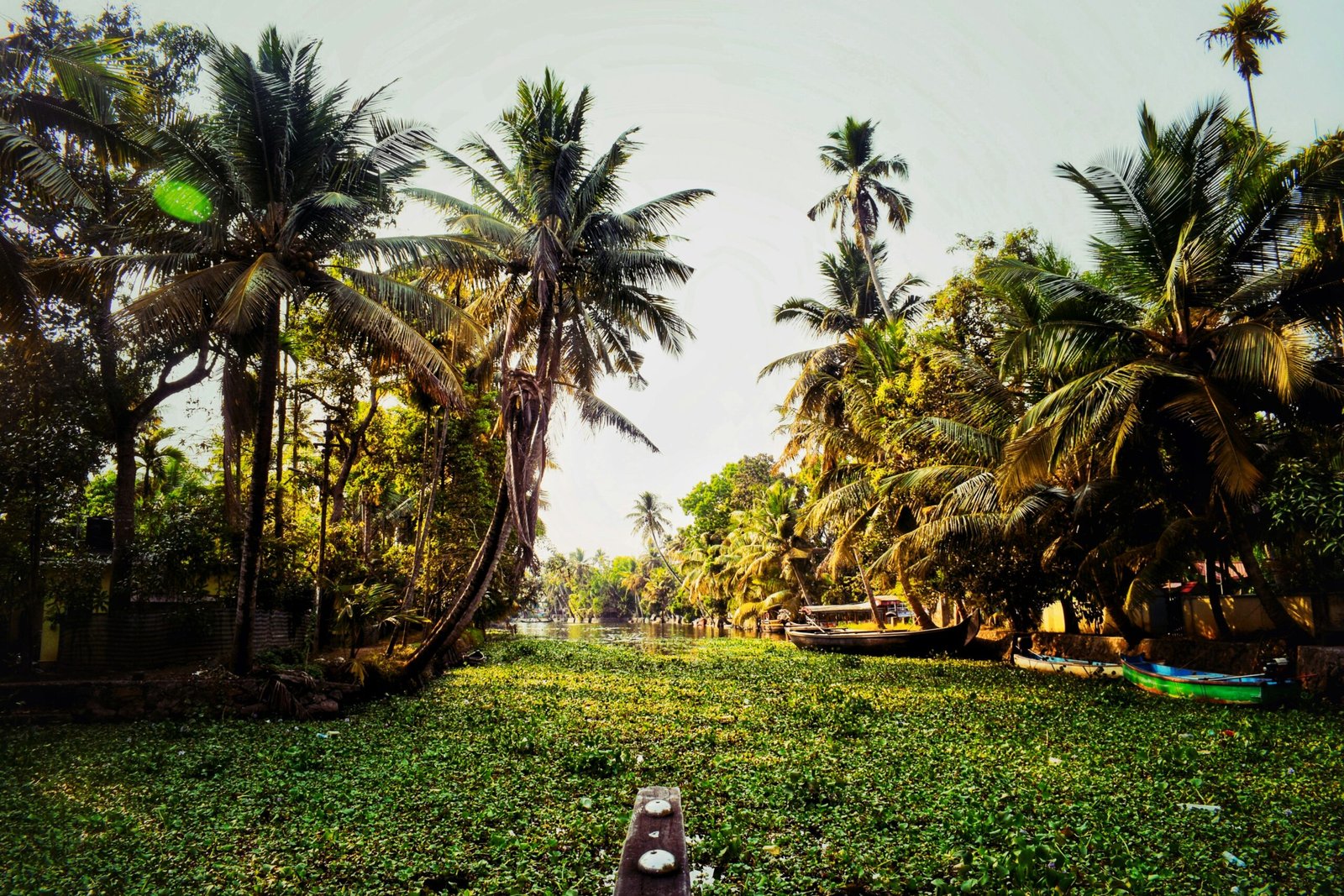
The places to visit in Alleppey span one of the most distinctive geographical and cultural landscapes in India. Vembanad Lake and the backwater canals form the foundation of the experience, but around them stand ancient temples, colonial-era lighthouses, heritage palaces, quiet beaches, and farming communities that have adapted to a landscape where land meets water at every turn. This guide covers every significant attraction in and around Alleppey, with the context you need to make the most of your time.
For full trip planning, read our Alleppey travel guide and things to do in Alleppey.
Places to visit in Alleppey: the backwaters
Vembanad Lake
Vembanad Lake is the largest lake in Kerala, stretching approximately 96 kilometres from north to south and covering an area of about 2,033 square kilometres at its widest extent. It connects the city of Kochi to the north with the backwater canals of Kottayam and the Alleppey district to the south. The lake is the primary setting for Alleppey’s houseboat tourism, and the sight of the traditional kettuvallam houseboats moving slowly across the still water at dusk is one of the most recognisable images of Kerala.
Vembanad is also an important bird-watching site. The Kumarakom Bird Sanctuary on the eastern shore of the lake and the waterways around the Alleppey district more broadly are home to migratory birds, including painted storks, open-billed storks, darters, and a range of kingfishers and herons during the migratory season from November to February.
Punnamada Lake and boat race venue
Punnamada Lake, a sub-section of the Vembanad Lake system just north of Alleppey town, is the venue for the Nehru Trophy Boat Race, held annually on the second Saturday of August. The lake, marked by the race’s finishing post, is a pleasant spot for early-morning shikara rides outside the race season. The surrounding landscape of paddy fields and coconut palms is typical of the Alleppey district.
Kuttanad
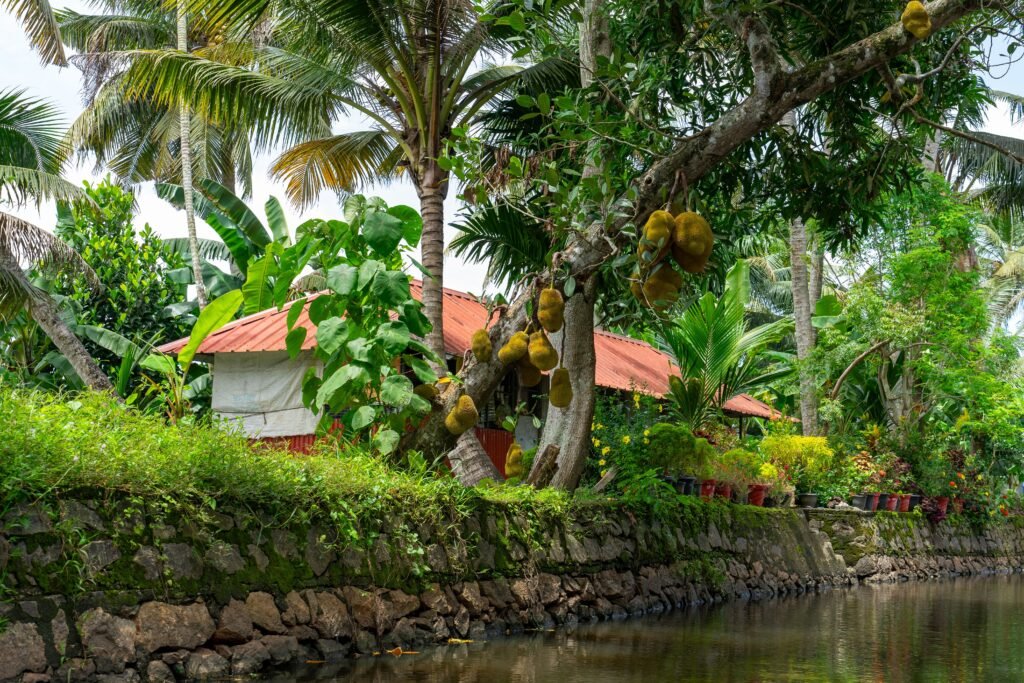
Kuttanad, the agricultural region of the Alleppey district, is one of the most unusual landscapes in the world. Farming here takes place one to two metres below sea level, with paddy fields reclaimed from the backwaters using a traditional system of dykes, bunds, and water management practices developed over generations. The Kuttanad region and its unique below-sea-level farming cultural landscape have received international recognition for their agricultural significance. A canoe ride through the narrow channels connecting the fields is the most direct way to experience this landscape and the communities that maintain it.
Places to visit in Alleppey: temples and heritage
Ambalappuzha Sree Krishna Temple
The Ambalappuzha Sree Krishna Temple, 14 kilometres south of Alleppey on the road to Kayamkulam, is one of the most historically and culturally significant temples in Kerala. Built in the traditional Kerala architectural style with a characteristic sloping roof, the temple is dedicated to Lord Krishna and is most famous for its Paal Payasam, a rice pudding offered as prasad (sacred food). The legend of the payasam recounts a chess game between Lord Krishna (in the guise of a sage) and the local king, Devanarayana. Having lost the game, the king was obligated to serve rice pudding daily to all visitors for eternity. The payasam offered here is widely considered the finest in Kerala and draws devotees specifically for this offering.
The temple also holds the Alleppey district’s most important festival, the Ambalappuzha Pooram, typically held in March or April.
Krishnapuram Palace
Krishnapuram Palace, about 47 kilometres south of Alleppey near Kayamkulam, is one of the best-preserved examples of Kerala’s traditional palace architecture. Built during the reign of King Marthanda Varma of Travancore in the 18th century, the palace features the characteristic gabled roofs, narrow columns, and shaded verandahs of the Kerala style. The palace is now administered by the Archaeological Survey of India as a museum and houses a collection of artefacts from the Travancore royal family.
The centrepiece of the museum is a remarkable mural painting depicting the Gajendra Moksham, the liberation of the divine elephant king. Measuring over 14 feet by 12 feet, it is one of the largest Kerala mural paintings outside a temple and is in excellent condition. The collection also includes bronze sculptures, royal weapons, and antique furniture.
St Andrews Basilica, Arthunkal
St Andrews Basilica in Arthunkal, about 22 kilometres north of Alleppey, is one of the most significant Christian pilgrimage sites in Kerala. The church, believed to have been founded by Portuguese missionaries in the 16th century, draws pilgrims from across the state for the annual feast of St Sebastian in January. The church is built directly on the coastline, and the combination of the white facade, the coconut palms, and the Arabian Sea makes it a particularly striking sight.
Places to visit in Alleppey: beaches and coast
Alleppey Beach
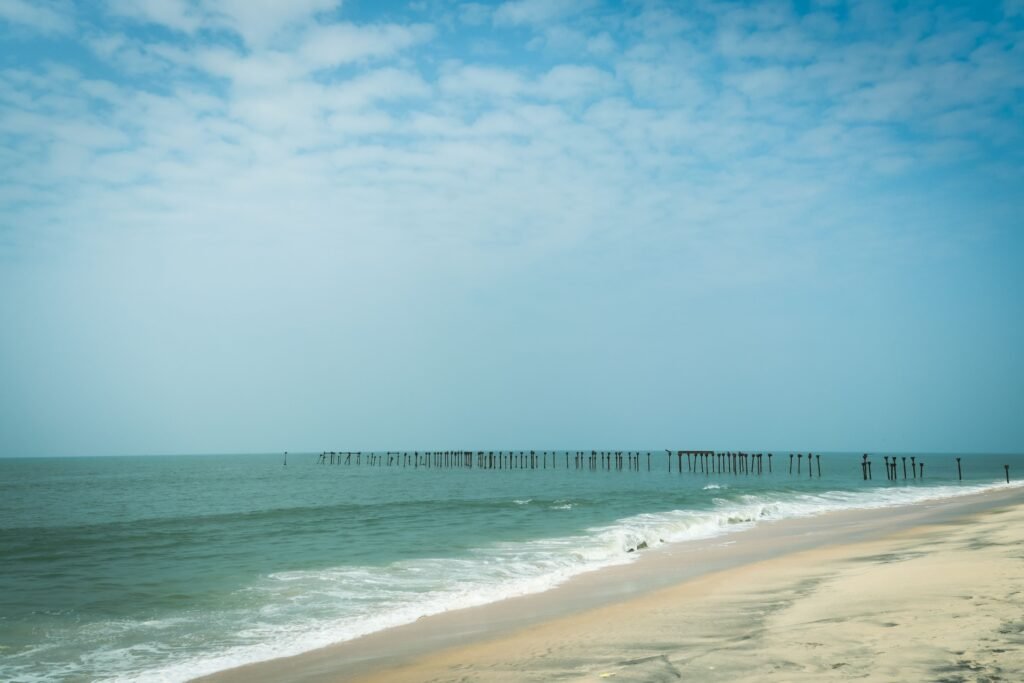
Alleppey Beach, within walking distance of the town centre, is the most accessible and most visited beach in the district. The beach is known for its pier, which extends approximately 137 metres into the Arabian Sea and has stood for about 150 years. The pier was originally used for loading coir products and spices onto ships during the colonial trading period. The adjacent Alleppey Lighthouse, operational since 1862, is one of the oldest in Kerala and offers coastal views from its upper level.
The beach is most lively in the evenings, when locals gather along the waterfront, and the food stalls and small amusement facilities along the promenade come alive.
Marari Beach
Marari Beach, 13 kilometres north of Alleppey, is one of the finest relatively undeveloped beaches in Kerala. A working fishing village runs the length of the beach, and the traditional boats, nets, and fishing activity give it a character entirely different from the commercialised beaches of Varkala and Kovalam. The beach is long, clean, and generally quiet, with a handful of sensitively designed beachfront homestays and small resorts operating along the coastline. Our guide to offbeat places in Kerala covers Marari in detail.
Places to visit in Alleppey: nearby destinations
Munroe Island
Munroe Island, in Kollam district, about one hour south of Alleppey, is a cluster of eight small islands surrounded by the canals and estuaries of the Ashtamudi Lake. The island is named after Colonel John Munroe, British Resident of Travancore in the early 19th century. A country boat ride through the narrow mangrove-lined waterways of the island offers one of the most intimate backwater experiences available in Kerala, in a setting almost entirely free of tourist infrastructure. Our offbeat places in Kerala guide covers Munroe Island fully.
Pathiramanal Island
Pathiramanal (which translates as “sands of midnight”) is a small island in Vembanad Lake accessible only by boat and notable as a bird-watching destination. The island is home to a wide variety of resident and migratory bird species and is a favourite stop on early-morning shikara rides across the lake. Sightings of rare species, including the Siberian crane, have been recorded during the migratory season.
Alappuzha Heritage Museum
The Alappuzha Heritage Museum in the town centre documents the history of the Alleppey district through a collection of traditional artefacts, photographs, and objects representing the coir industry, the boat-building tradition, and the waterway culture that has defined the region. It is a useful orientation stop for visitors who want context for the landscape they are exploring.
Plan your Alleppey visit with us
At Immersive Trips, we help travellers find the experiences in Alleppey that go beyond the standard houseboat listing: the right canal routes, the most rewarding temples, and the local knowledge that makes the difference between a good Kerala trip and an exceptional one. Contact our team or view our Kerala tour packages.
Frequently asked questions about places to visit in Alleppey
1. What is the most important place to visit in Alleppey?
Vembanad Lake and the backwater canal system are the defining features of Alleppey and the primary reason most travellers come here. Ambalappuzha Sree Krishna Temple is the most culturally significant land-based attraction in the district. For most visitors, an overnight houseboat trip on the lake, followed by a temple visit the following morning, covers the essential Alleppey experience.
2. Is Krishnapuram Palace worth the journey from Alleppey?
Yes, particularly for those interested in Kerala’s royal heritage and traditional architecture. The mural painting inside the palace is one of the most significant examples of this art form accessible to visitors in Kerala, and the building itself is beautifully preserved. The 47-kilometre drive south of Alleppey takes about one hour.
3. What is special about Ambalappuzha Paal Payasam?
The payasam offered at the Ambalappuzha Sree Krishna Temple has a legendary origin story involving a chess game between Lord Krishna and a local king that obligated the temple to serve rice pudding to all visitors in perpetuity. The recipe has been passed down for centuries, and the payasam is widely regarded as one of the finest in Kerala. It is offered after the morning and evening pujas and can be tasted by all visitors, regardless of religious background, as prasad.
4. Is Marari Beach worth visiting over Alleppey Beach?
For most travellers, yes. Marari Beach offers a longer, quieter, and more atmospheric stretch of coast with the character of a working fishing village. Alleppey Beach is more convenient for those staying in the town centre and offers the pier and lighthouse as additional attractions. Both are worth visiting if you have the time, but Marari is the stronger choice for a proper beach experience.
5. What is Pathiramanal Island, and how do I visit?
Pathiramanal is a small uninhabited island in Vembanad Lake, accessible only by boat. It is best visited either as part of an early-morning shikara ride from Alleppey or as a stop on a houseboat journey. The island is notable for birdwatching and the unusual experience of being on a small island entirely surrounded by the lake.
6. Are there any heritage forts or colonial buildings in Alleppey?
Alleppey was an important commercial port during the colonial period, and the old town is home to a concentration of heritage buildings from the British trading era, including former warehouses, merchants’ homes, and colonial administrative structures. A walk through the older lanes of the town, particularly around the canal junction areas, reveals these buildings. The town does not have a fort, but the pier and lighthouse are significant colonial-era structures.
7. Can I visit Munroe Island as a day trip from Alleppey
Yes. The drive to Munroe Island takes about an hour from Alleppey. The island is best visited on a guided half-day or full-day boat tour that includes the canal ride, a visit to a local family, and a meal cooked by village residents. It is one of the most rewarding day trips from Alleppey for travellers seeking a quieter, more authentic backwater experience than the main Alleppey circuit.
8. What is the best time of day to visit Alleppey Lighthouse?
The lighthouse is most rewarding in the late afternoon when the light on the sea is warm, and the pier is at its most photogenic. The climb to the top of the lighthouse (when open) offers views across the coast and the Alleppey town canal network. Early morning visits allow you to watch the fishing boats return with the night’s catch.
9. Is the St Andrews Basilica at Arthunkal worth visiting?
Yes, particularly for those interested in Kerala’s Portuguese-era Christian heritage. The basilica’s position directly on the Arabian Sea coastline makes it a visually striking visit. The annual feast of St Sebastian in January is the most significant time to visit, when large numbers of pilgrims gather from across the state. Outside festival season, the church is open daily and sees far fewer visitors.
10. How do I plan a day that combines the backwaters and the mainland sights of Alleppey?
A well-structured day in Alleppey might begin with an early morning shikara ride through the backwater canals (6 AM to 8 AM), followed by breakfast at a local restaurant, a visit to the pier and lighthouse in the late morning, an afternoon drive to Ambalappuzha Temple for the payasam, and a return to watch the sunset from the beach. This covers the main backwater, heritage, temple, and coastal experiences in a single day.