

Ayodhya is not the kind of destination you rush through. It is a place that carries devotion, memory, and a sense of quiet significance that reveals itself gradually. For many travellers, the journey here is not only about visiting temples, but also about stepping into a city that feels deeply connected to faith, ritual, and the stories that have shaped India for centuries.
That is why a well-paced Ayodhya itinerary matters. Whether you are planning a short spiritual break, a family trip, or a broader journey through North India, Ayodhya is best experienced with time to pause. The ghats, temple lanes, sacred landmarks, and evening aarti all deserve a place on the journey. Instead of trying to fit everything into a hurried visit, it helps to follow an Ayodhya trip plan that lets the city unfold at a gentler pace.
This guide is designed for travellers looking for a 2-day or 3-day Ayodhya itinerary, depending on how much time they have. It brings together the key spiritual landmarks, the city’s flow, and a more meaningful way to experience Ayodhya without turning it into a checklist.
Why Ayodhya Deserves More Than a Quick Stop
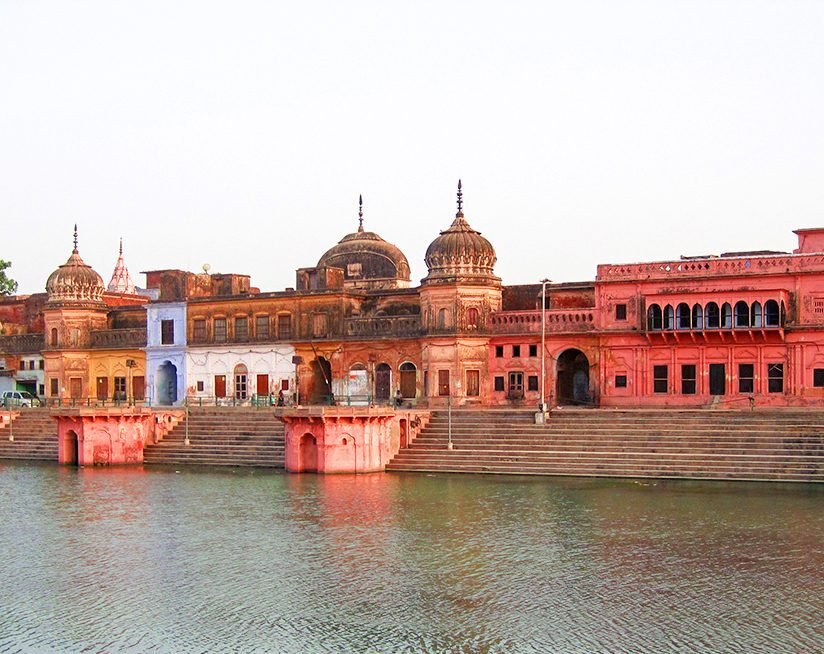
Many travellers arrive in Ayodhya with one main intention, usually to visit Shri Ram Janmabhoomi Mandir. That visit is central, of course, but the city has a wider spiritual atmosphere that deserves attention. There are sacred ghats, older temple spaces, devotional traditions, and moments of stillness that shape the experience just as much as the major landmarks.
A thoughtful Ayodhya travel plan allows you to go beyond a single temple visit. It helps you experience the city in a more grounded way, with time for darshan, riverfront moments, local movement through the old quarters, and the quieter parts of the pilgrimage journey that often leave the deepest impression.
Best Time to Follow an Ayodhya Itinerary

The most comfortable months to explore Ayodhya are from October to March, when the weather is easier for temple visits, walking, and spending time near the ghats. This is also when many travellers prefer to plan a spiritual circuit across Uttar Pradesh.
Festive periods can feel especially powerful, but they also bring larger crowds. If your priority is ease and reflection, a regular travel period outside the busiest festival dates may be better. Either way, an Ayodhya itinerary works best when you leave enough room in the day for breaks, darshan timings, and unhurried movement.
Ayodhya Itinerary 2 Days
If you have only two days, the journey should focus on Ayodhya’s core spiritual landmarks while still allowing enough time to absorb the atmosphere. A compact itinerary works well for pilgrims, families, and weekend travellers who want a complete but manageable experience.
Day 1: Ram Janmabhoomi and the Sacred Heart of Ayodhya
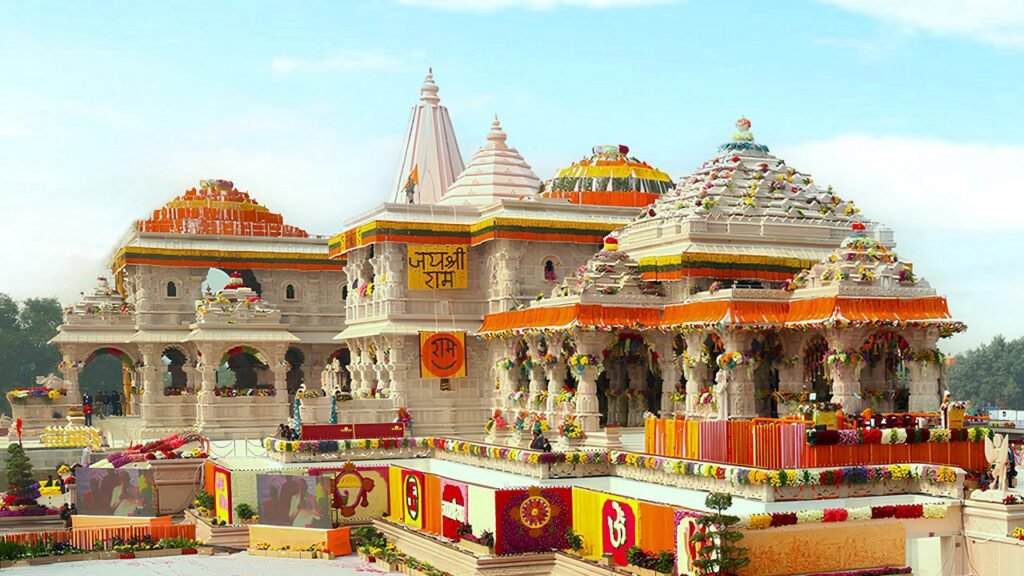
Begin the first day with an early visit to Shri Ram Janmabhoomi Mandir. Mornings are often the most rewarding time to arrive, as the energy feels calmer and the day opens with a stronger sense of purpose. This is the spiritual anchor of any Ayodhya itinerary, and it deserves your fullest attention.
After darshan, continue to Hanuman Garhi, one of the city’s most important temple stops. The temple’s presence, setting, and devotional atmosphere make it an essential part of the journey. From there, Kanak Bhawan can be included as another meaningful stop, especially for travellers interested in the emotional and cultural layers of Ayodhya’s sacred geography.
Keep the afternoon lighter. Spend time walking through the older temple lanes, and the local market stretches around the central areas. In the evening, head towards the Saryu riverfront. The ghats at sunset bring a different mood to the city, one that feels softer and deeply reflective. If possible, stay for the evening aarti, as it often becomes one of the most memorable parts of the Ayodhya trip plan.
Day 2: Ghats, Temples, and a Slower View of the City
The second day of an Ayodhya itinerary 2 days can begin with a peaceful visit to the riverfront. Early morning by the Saryu has a calm that is difficult to describe until you experience it yourself. This is a good time for quiet reflection and for seeing the city before it fully gathers pace.
Later in the day, include temple and heritage stops such as Nageshwarnath Temple and Dashrath Mahal, depending on your pace and interests. These sites add depth to the journey by connecting Ayodhya not only to worship but also to narrative memory and long-standing devotional traditions.
Use the rest of the day to move gently through the city rather than overfilling the schedule. A short break at your hotel, a simple local meal, and another visit to the ghats or temple areas in the evening can complete the experience beautifully. For many travellers, this is enough for a short but meaningful Ayodhya travel plan.
Ayodhya Itinerary 3 Days
If you have an extra day, the experience becomes far more relaxed. A 3-day Ayodhya itinerary is ideal for travellers who want more than just temple hopping. It allows you to stay in the city a little longer, revisit meaningful sites, and experience the quieter spiritual rhythm that often gets missed on shorter trips.
Day 3: A More Unhurried Spiritual Experience
The third day can be shaped more personally. Some travellers choose to return for darshan at Shri Ram Janmabhoomi Mandir at a different time of day, while others prefer to spend more time by the Saryu or explore smaller temples and devotional corners at a more relaxed pace.
This extra day is also useful if you are travelling with family or older pilgrims who would benefit from a gentler schedule. It creates breathing room in the journey and makes the overall Ayodhya itinerary feel less hurried. Instead of trying to fit every moment into two packed days, you begin to experience Ayodhya the way it should often be experienced: with patience.
If your broader journey includes Prayagraj or Varanasi, this third day can also help you transition more comfortably to your next spiritual stop. That makes a 3-day Ayodhya itinerary especially suitable for travellers planning a longer North India pilgrimage.
Important Places to Include in an Ayodhya Trip Plan
Every Ayodhya trip plan will differ slightly based on pace and purpose, but a few places naturally form the core of the experience. Shri Ram Janmabhoomi Mandir remains the spiritual centre. Hanuman Garhi is equally important for many pilgrims. Kanak Bhawan adds devotional and cultural depth, while the Saryu riverfront brings stillness and atmosphere to the journey.
Depending on time, travellers can also include Dashrath Mahal, Nageshwarnath Temple, and moments of simple local discovery through temple lanes and older neighbourhoods. The strongest Ayodhya itinerary is not the one with the most stops. It is the one that balances significance with ease.
Who This Ayodhya Travel Plan Works Best For
This Ayodhya travel plan works especially well for first-time visitors, pilgrims travelling with family, and travellers combining Ayodhya with other sacred cities in North India. It also suits those who want a calm spiritual journey rather than a rushed sightseeing schedule.
Because Ayodhya carries emotional and religious significance for many people, it helps to travel with an itinerary that is structured but not rigid. That balance allows the journey to feel both comfortable and meaningful.
Travel Tips for a Smoother Visit
Start your days early, especially for temple visits. Dress modestly, keep darshan timing flexibility in mind, and avoid overcommitting to too many stops in one day. Comfortable footwear, light clothing during warmer months, and a little patience go a long way in a pilgrimage city.It is also worth choosing accommodation that allows easy access to the main spiritual landmarks, especially if you are travelling with elders. A well-planned Ayodhya itinerary becomes much easier when travel time within the city is reduced.

Final Thoughts
Ayodhya is not only a destination of faith. It is a destination of feeling. The city asks for presence more than speed, and that is why a thoughtful Ayodhya itinerary matters so much. Whether you are visiting for two days or staying for three, the journey becomes far more rewarding when it is paced with care.
For some travellers, Ayodhya is a pilgrimage. For others, it is a cultural and spiritual experience that deepens with every stop. In both cases, the right Ayodhya trip plan helps you navigate the city with ease while still leaving room for devotion, reflection, and the quiet power that defines this sacred place.
Frequently Asked Questions
How many days are enough for Ayodhya?
Two days are enough to comfortably cover the main spiritual landmarks, while three days allow for a slower, more meaningful experience.
What should be included in an Ayodhya itinerary?
An Ayodhya itinerary should ideally include Shri Ram Janmabhoomi Mandir, Hanuman Garhi, Kanak Bhawan, the Saryu riverfront, and a few important temples and heritage stops based on time.
Is a 2-day Ayodhya itinerary enough for first-time travellers?
Yes, a 2-day Ayodhya itinerary works well for first-time visitors who want to cover the main temple and ghat experiences without rushing.
Who should choose an Ayodhya itinerary for 3 days?
Travellers seeking a gentler pace, families with elders, and those combining Ayodhya with other spiritual destinations should consider an Ayodhya itinerary of 3 days.
What is the best time to plan an Ayodhya trip?
The most comfortable months are from October to March, when the weather is more suitable for temple visits and walking through the city.
Can Ayodhya be combined with other spiritual destinations?
Yes, Ayodhya is often combined with Prayagraj and Varanasi as part of a wider spiritual journey through North India.