
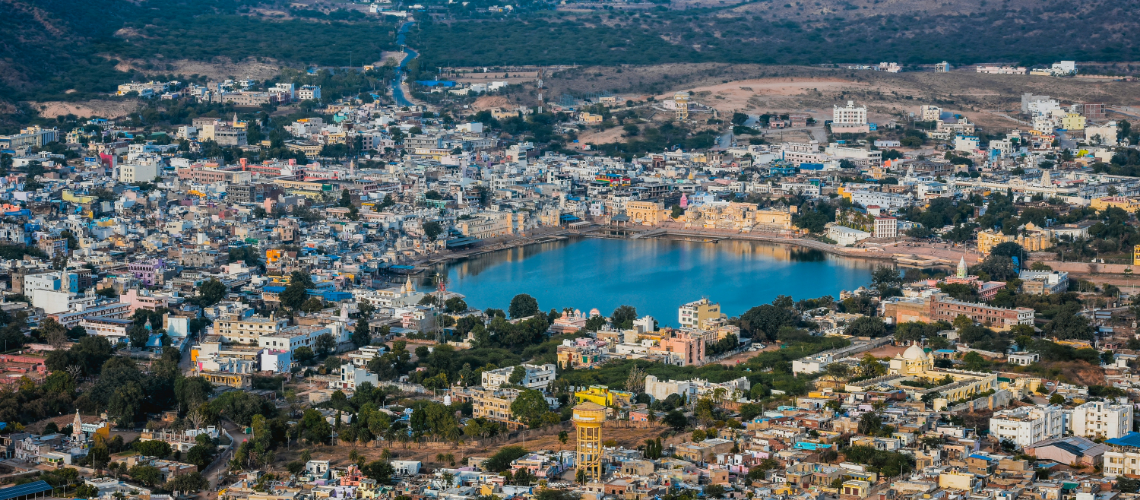
The best things to do in Pushkar blend the sacred and the relaxed in a way found nowhere else in Rajasthan: bathing at dawn on the ghats of a holy lake, visiting one of the world’s only Brahma temples, watching the evening aarti with its bells and lamps, climbing to a hilltop temple for a desert sunrise, riding a camel across the dunes, and browsing bohemian markets before settling into a rooftop cafe overlooking the water. This small pilgrimage town, ringed by the Aravalli hills, rewards travellers who slow down and soak up its unique atmosphere. This guide covers the full range of what to do, from the spiritual essentials to the relaxed pleasures that make Pushkar so beloved.
For destination planning, see our Pushkar travel guide and places to visit in Pushkar.
Things to Do in Pushkar: Markets & Cultural Experiences
Walk the Ghats at Sunrise
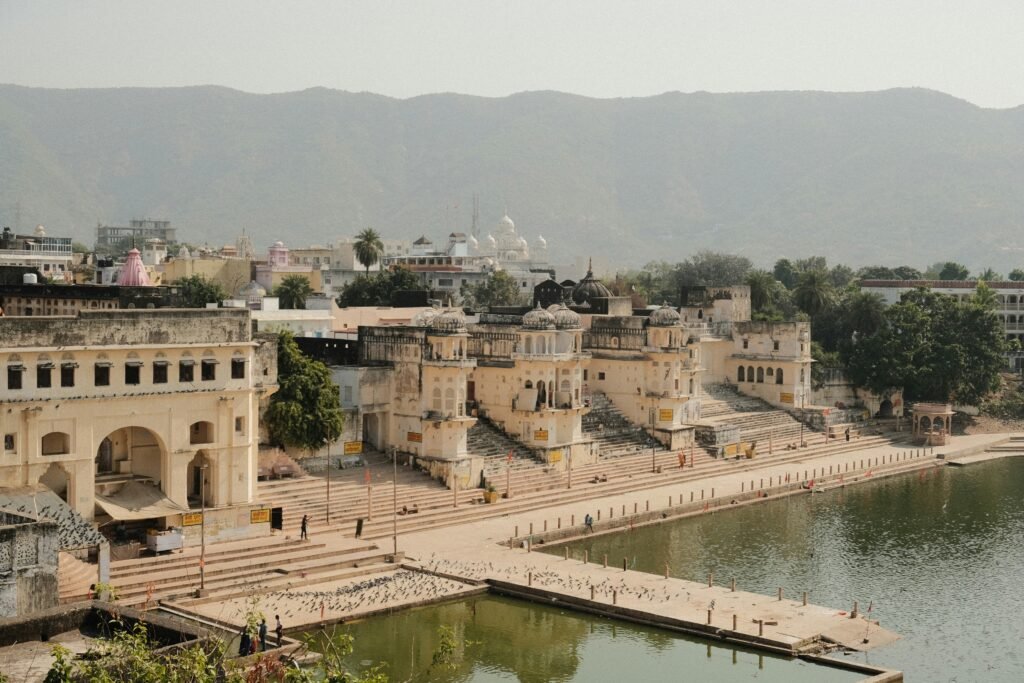
The most magical thing to do in Pushkar is to walk the 52 ghats of the sacred lake at sunrise, when the pilgrims begin their morning baths, the light is soft and golden, and the town is at its most peaceful. It is free, deeply atmospheric, and one of the most memorable experiences in Rajasthan. Sit with a chai on a lakeside terrace and watch the rituals unfold.
Visit the Brahma Temple
Visit the Brahma Temple, the spiritual heart of Pushkar and one of the very few temples in the world dedicated to Lord Brahma, the creator god. The 14th-century red-spired temple, with its silver-coin-embedded sanctum, is a major pilgrimage site. Morning is the most peaceful time to visit. Our places to visit in Pushkar guide covers the temple in detail.
Attend the Evening Aarti
Witness the evening aarti at the ghats, a mesmerising ceremony of bells, lamps, and chanting as the sun sets over the sacred lake. It is one of the most moving spiritual experiences in Pushkar and a beautiful way to end a day.
Climb to the Savitri Temple for Sunrise or Sunset
Climb (or take the ropeway up) to the Savitri Temple atop Ratnagiri Hill, dedicated to Brahma’s first wife, for spectacular panoramic views of Pushkar, the sacred lake, and the surrounding desert and Aravalli hills. Sunrise and sunset are the most rewarding times.
Things to do in Pushkar: Culture and Markets
Explore the Pushkar Bazaar
Wander the Pushkar Bazaar, a stretch of narrow market lanes offering silver jewellery, embroidered and tie-dye clothing, camel-leather goods, brass, handmade journals, and rose products. It is a wonderful place for people-watching and browsing, where Pushkar’s devotional and bohemian sides meet. Our shopping in Rajasthan guide covers the market.
Try a Yoga or Meditation Class
Pushkar’s spiritual atmosphere has made it a centre for yoga and meditation, with numerous classes, retreats, and wellness experiences available. Joining a class is a relaxing and immersive way to connect with the town’s contemplative side.
Relax in a Rooftop Cafe
Settle into one of Pushkar’s many rooftop cafes overlooking the lake, a lovely place to relax with chai or a meal, watch the rituals, and soak up the town’s laid-back charm. Our places to eat in Pushkar guide covers the cafe scene.
Things to Do in Pushkar: Desert Adventures
Take a Camel Safari
Pushkar’s setting on the edge of the desert makes it a good base for a camel safari through the surrounding dunes and villages, typically ending with a desert sunset. It is a relaxed, scenic way to experience the Thar landscape and can be combined with a night at a desert camp. Our desert safari in Rajasthan guide covers the desert experience.
Experience the Pushkar Camel Fair
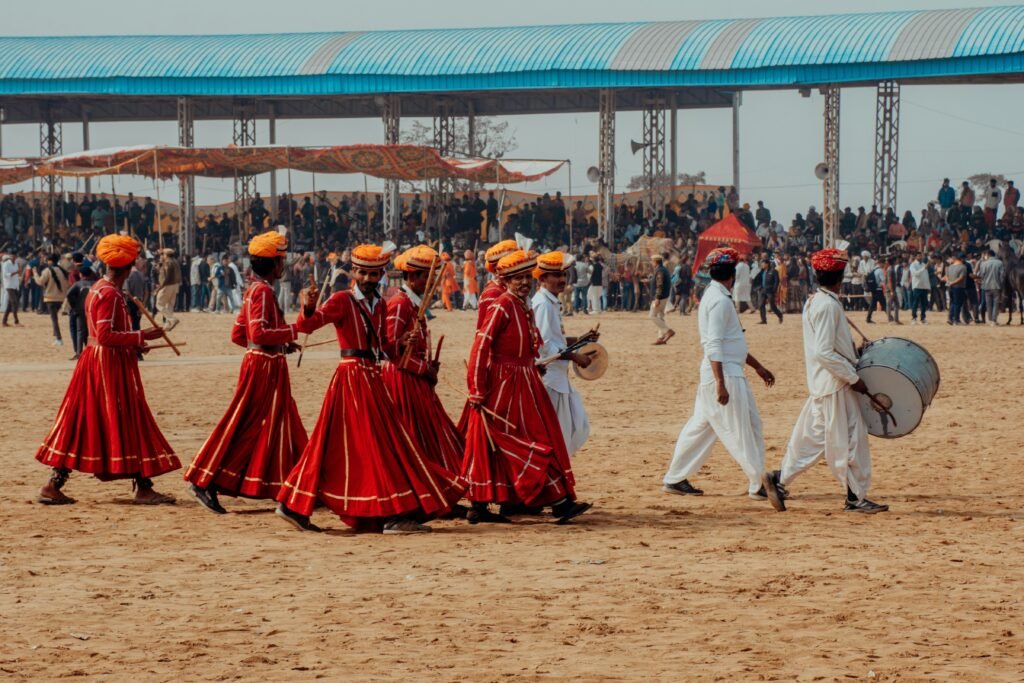
If your visit coincides with November, the Pushkar Camel Fair is an unmissable experience: one of the largest livestock fairs in the world, combining camel trading, races, and parades with folk music, dance, competitions, and the sacred bathing rituals of Kartik Purnima. Our Rajasthan festival travel guide covers the fair.
Things to Do Near Pushkar: Visit Ajmer
Visit the Ajmer Sharif Dargah
Take a half-day trip to nearby Ajmer (11 to 15 kilometres away) to visit the Ajmer Sharif Dargah, one of the most important Sufi Muslim pilgrimage sites in India, the shrine of the saint Khwaja Moinuddin Chishti. It offers a fascinating contrast to Pushkar’s Hindu spirituality and reflects the religious diversity of the region.
Plan your Pushkar experience with Immersive Trips
At Immersive Trips, we design Pushkar itineraries that capture the town’s unique blend of the sacred and the relaxed, from sunrise on the ghats to camel safaris to the extraordinary Camel Fair. Get in touch with our team to plan your Pushkar visit.
Frequently asked questions about things to do in Pushkar
What are the top things to do in Pushkar?
The top things to do are walking the sacred ghats at sunrise, visiting the rare Brahma Temple, attending the evening aarti, climbing to the Savitri Temple for panoramic views, exploring the Pushkar Bazaar, relaxing in a rooftop cafe, and taking a camel safari. If visiting in November, the Pushkar Camel Fair is unmissable.
What can I do in Pushkar in one day?
In one day, visit the Brahma Temple in the morning, walk the ghats of the sacred lake, explore the Pushkar Bazaar, relax in a rooftop cafe, and either climb to the Savitri Temple or take a camel safari for sunset, followed by the evening aarti at the ghats. This covers the essential experiences of the town.
Is walking the ghats worth it?
Absolutely. Walking the 52 ghats of the sacred Pushkar Lake, particularly at sunrise when the pilgrims begin their morning baths and the light is golden, is the most magical and atmospheric thing to do in Pushkar. It is free and offers a genuine window into the town’s living spiritual traditions.
Is the Savitri Temple worth the climb?
Yes. The Savitri Temple atop Ratnagiri Hill, reachable by a steep climb or a ropeway, rewards visitors with spectacular panoramic views of Pushkar, the sacred lake, and the surrounding desert and Aravalli hills. Sunrise and sunset are the most rewarding times, and they see fewer crowds than the Brahma Temple.
Can I take a camel safari from Pushkar?
Yes. Pushkar’s setting on the edge of the desert makes it a good base for a camel safari through the surrounding dunes and villages, typically ending with a desert sunset. It is a relaxed, scenic way to experience the Thar landscape and can be combined with a night at a desert camp.
What is the Pushkar Camel Fair and when is it?
The Pushkar Camel Fair, held each November around the full moon of Kartik Purnima, is one of the largest livestock fairs in the world. It combines camel trading, races, and parades with folk music, dance, competitions, and sacred bathing rituals. If your visit coincides with it, it is an unmissable and unforgettable cultural experience.
Are there yoga and wellness experiences in Pushkar?
Yes. Pushkar’s spiritual atmosphere has made it a centre for yoga and meditation, with numerous classes, retreats, and wellness experiences available, particularly appealing to the international travellers the town attracts. Joining a class is a relaxing and immersive way to connect with the town’s contemplative side.
What can I do in Pushkar in the evening?
The evening aarti at the ghats, with its bells, lamps, and chanting as the sun sets over the sacred lake, is the essential evening experience. Beyond that, relaxing in a rooftop cafe overlooking the lake, exploring the market, and enjoying the town’s peaceful, illuminated streets are lovely ways to spend an evening in Pushkar.
Is Pushkar good for families?
Yes. Families enjoy the peaceful ghats, the camel safaris, the colourful market, and the relaxed atmosphere. The town is small, walkable, and easy to explore, and the gentle pace makes it a pleasant contrast to the busier cities. The Camel Fair, if timed, is a spectacular experience for all ages. Our family tour packages in Rajasthan guide covers family experiences.
Can I do a day trip to Ajmer from Pushkar?
Yes. The city of Ajmer, just 11 to 15 kilometres from Pushkar, is home to the Ajmer Sharif Dargah, one of the most important Sufi Muslim pilgrimage sites in India. It offers a fascinating contrast to Pushkar’s Hindu spirituality and makes a rewarding half-day trip that reflects the religious diversity of the region.