
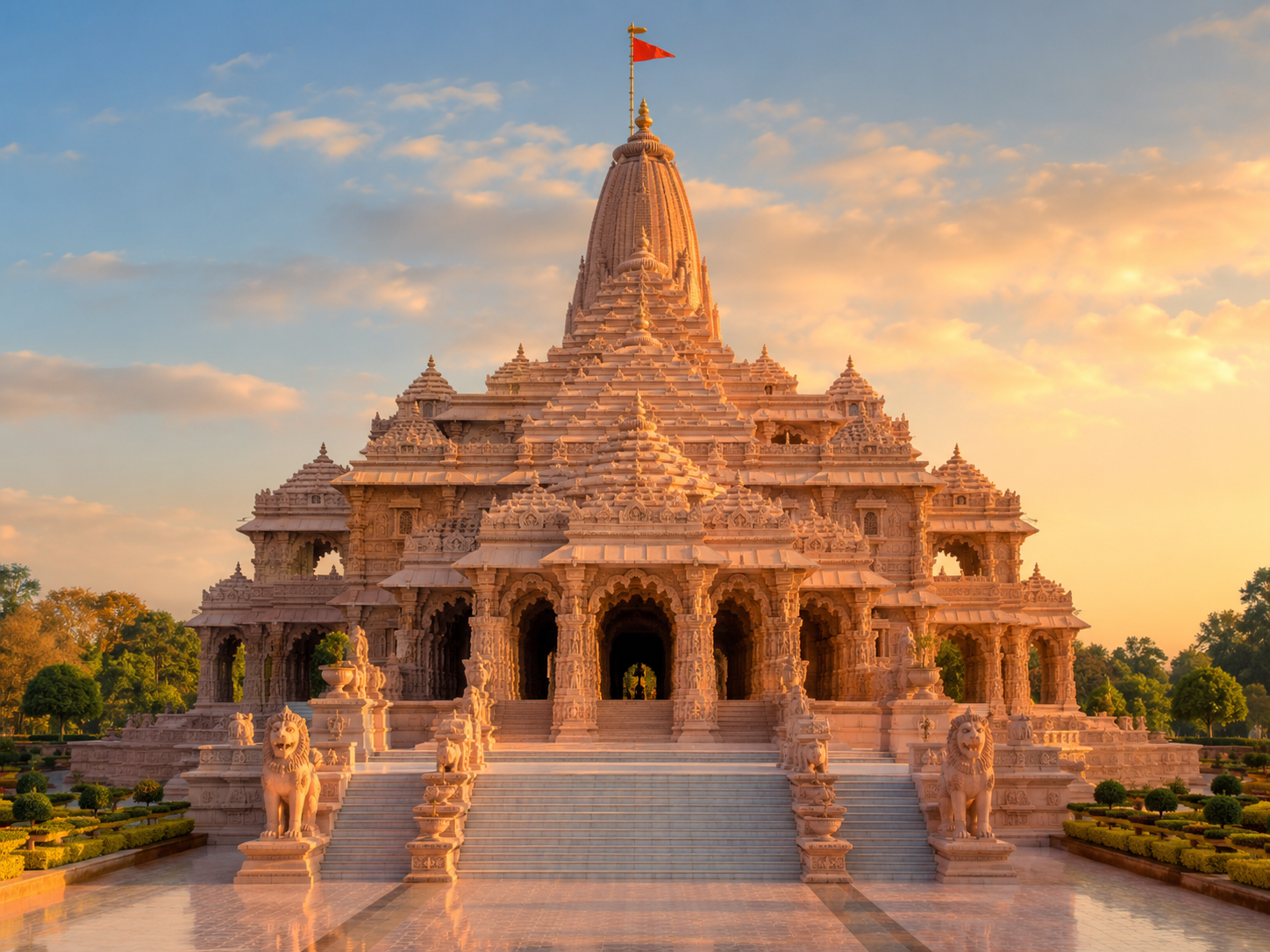
Ram Mandir Ayodhya has quickly become one of the most talked-about spiritual destinations in India, but for many travellers, the journey is about much more than seeing a newly prominent landmark. Ayodhya carries layers of faith, mythology, ritual, and lived devotion that cannot be understood through a rushed stop alone. The city moves with emotion. It is deeply sacred, deeply symbolic, and for many visitors, deeply personal.
Ram Mandir Ayodhya has quickly become one of the most meaningful spiritual destinations in India. For travellers planning a Spiritual Tour of Ayodhya, the journey is about much more than seeing one landmark. A thoughtful Ram Janmabhoomi temple visit includes darshan timings, local movement, nearby sacred spots, and the devotional atmosphere that shapes the city.
If you are considering a visit to the Ayodhya Ram Mandir as part of a short pilgrimage, a family trip, or a wider spiritual circuit through North India, this guide will help you understand what to expect before you go. From practical planning to nearby places like Hanuman Garhi Ayodhya and Kanak Bhawan Ayodhya, there is more to the visit than most first-time travellers imagine.
Why Ram Mandir Ayodhya Matters
To understand the importance of the Ram Mandir in Ayodhya, it helps to remember that Ayodhya is believed to be the birthplace of Lord Ram, one of the most revered figures in the Hindu tradition. For centuries, the city has drawn pilgrims, devotees, and travellers seeking to connect with its spiritual legacy. The temple has therefore become not only a major place of worship but also a site of emotion, memory, and national attention.
For a traveller, that means the atmosphere is unlike a casual sightseeing stop. There is reverence in the air. Many visitors arrive with prayer in mind, while others come out of curiosity and leave with a stronger sense of the city’s spiritual depth. Either way, the experience is best approached with patience and respect.
Planning Your Ram Janmabhoomi Temple Visit
A well-planned Ram Janmabhoomi temple visit helps travellers experience Ayodhya Ram Mandir darshan with more ease, patience, and spiritual focus. A visit to the Ram Janmabhoomi temple is much smoother when you plan the basics in advance. Ayodhya sees high footfall, especially on weekends, holidays, and religiously significant dates, so timing matters. Early mornings are often more comfortable for travellers who prefer a calmer atmosphere and shorter waiting times.
It is also wise to keep your day flexible. Spiritual destinations rarely work well on a rushed timetable. Allow enough time for entry procedures, darshan queues, and the overall flow of the temple surroundings. Comfortable clothing, simple footwear, and a respectful approach make a visible difference when moving through sacred spaces.
For many travellers, the most satisfying experience comes when the temple visit is not treated as a standalone task, but as the centre of a slower day in Ayodhya.
What to Expect During Ayodhya Ram Mandir Darshan
Ram Mandir Ayodhya darshan is an emotional moment for many visitors, but it is also important to prepare for the practical side of the experience. There may be queues, security checks, and designated movement routes depending on the day and crowd levels. Travellers should expect a structured entry experience rather than a completely free-flowing one.
That said, once you are within the temple environment, the mood shifts. The energy feels devotional and focused. Even first-time visitors who are not on a formal pilgrimage often find the experience moving because of the sincerity that surrounds the site.
It helps to arrive with the right mindset. Darshan in a place like this is not only about duration. Even a brief moment can feel meaningful when the journey is approached with attention rather than hurry.
Hanuman Garhi Ayodhya Should Be Part of Your Visit
Hanuman Garhi Ayodhya is one of the most important stops on any Ayodhya spiritual travel itinerary. This temple is among the city’s most visited sacred sites and is often included naturally in a spiritual visit to Ayodhya. Many devotees believe that one should seek the blessings of Lord Hanuman before or alongside visiting Lord Ram’s birthplace, which is why this stop is so important.
For travellers, Hanuman Garhi adds another layer to the city’s sacred geography. The climb, the atmosphere, and the devotional energy make it more than just an additional attraction. It feels like an essential part of understanding Ayodhya as a living place of worship rather than as a single-temple destination.
Kanak Bhawan Ayodhya and Its Quiet Grace
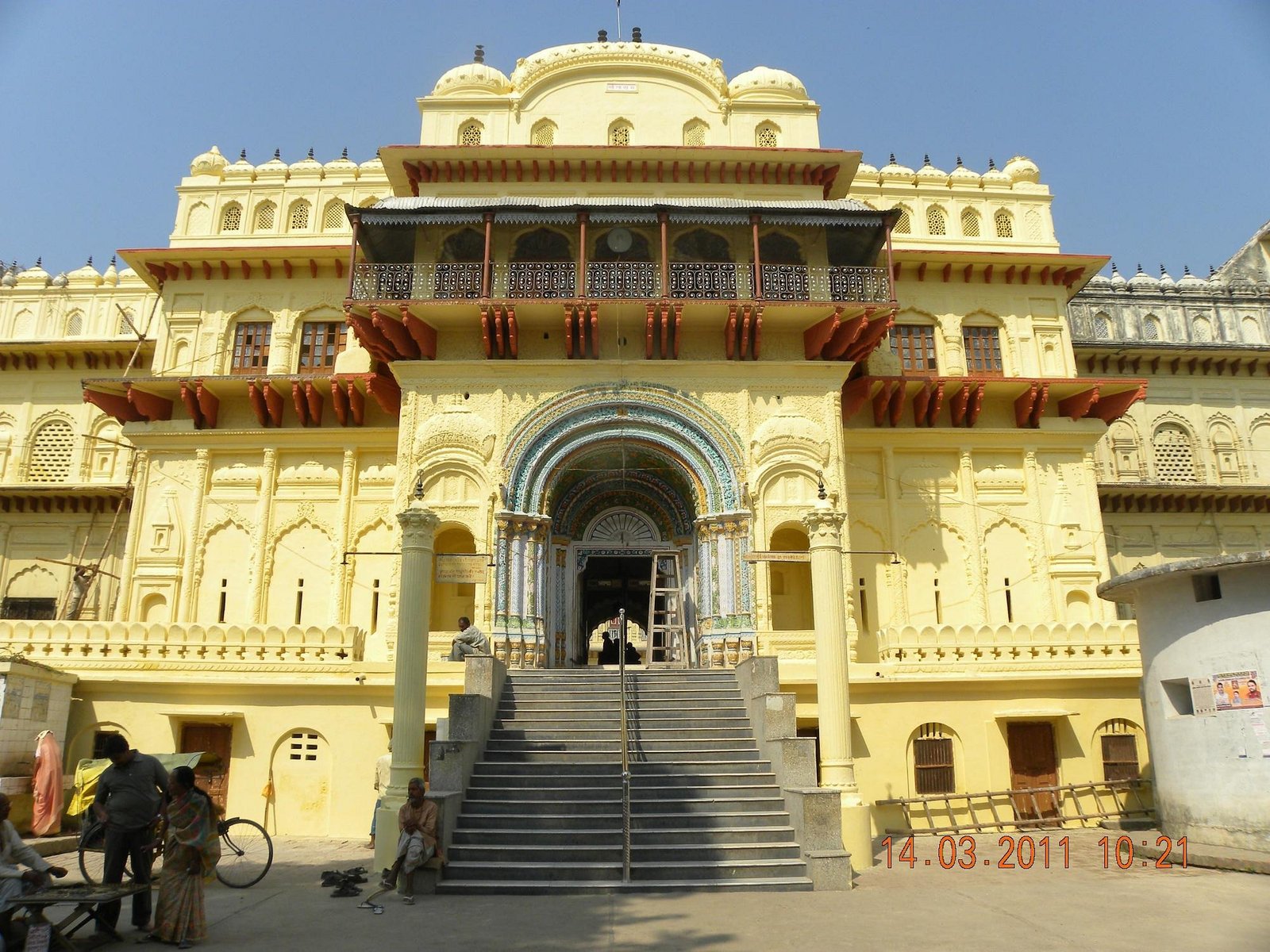
Kanak Bhawan Ayodhya adds a quieter, more graceful dimension to the wider Ayodhya travel guide experience. It is closely associated with Lord Ram and Goddess Sita and is widely loved for its serene, graceful atmosphere. For many travellers, this becomes one of the most unexpectedly memorable parts of the city.
What makes Kanak Bhawan special is its gentler pace. After the intensity and movement that can come with a visit to the Ram Janmabhoomi temple, this temple often feels calmer and more intimate. It is a reminder that Ayodhya is not defined by a single sacred point alone. The city unfolds through multiple places of devotion, each carrying its own character.
How Much Time Should You Keep for Ayodhya
Many travellers ask whether Ayodhya can be covered in one day. The answer is yes, but not ideally. If your aim is only a brief darshan, a short visit may be enough. But if you want to experience Ram Mandir Ayodhya with some calm and include Hanuman Garhi Ayodhya, Kanak Bhawan Ayodhya, and moments by the ghats, at least one to two days feel more satisfying.
This allows the city to reveal itself more naturally. You are not simply moving from one checkpoint to another. You are giving yourself time to absorb the place’s rhythm, which is an important part of spiritual travel.
Best Time to Visit Ram Mandir Ayodhya
The best time to visit Ram Mandir Ayodhya is generally from October to March, when the weather is more comfortable for temple visits and walking around the city. Summer can be much warmer, which may make long waits and daytime movement tiring, especially for families and older travellers.
Festival periods and important religious dates bring a powerful atmosphere, but also much larger crowds. Some travellers may love that intensity, while others may prefer a quieter visit on ordinary days. The best choice depends on whether you value scale and energy or comfort and ease.
How to Approach the Visit Respectfully
A visit to Ram Mandir Ayodhya is best approached with sensitivity. This is not only an important spiritual site, but also one that holds strong emotional meaning for countless visitors. Dress modestly, follow local guidance, and stay patient with crowds and procedures. Respect goes a long way in sacred cities, especially those receiving large numbers of pilgrims.
It is also worth remembering that the surrounding city is part of the experience. Speak gently, move thoughtfully, and treat nearby temples and ghats with the same attention you give the main shrine. Ayodhya feels most meaningful when experienced as a whole rather than as a single stop.
Combining Ayodhya With a Wider Spiritual Journey
Many travellers now include Ayodhya as part of a wider spiritual route through North India, which may also include Prayagraj and Varanasi. This works especially well for those who want their journey to feel complete rather than limited to one city. Along that larger route, the Ram Mandir in Ayodhya becomes the emotional beginning of a more layered pilgrimage.
If planned well, the city fits naturally into a spiritual circuit without feeling rushed. The key is to preserve enough time for darshan and visits to nearby temples, rather than reducing Ayodhya to a transit point.
Final Thoughts
Ram Mandir Ayodhya is one of those places where preparation truly shapes the experience. The better you understand the city, the more meaningful the visit becomes. From Ayodhya Ram Mandir darshan to a thoughtful Ram Janmabhoomi temple visit, the journey feels richest when it includes the wider sacred landscape of Ayodhya.
That is why places like Hanuman Garhi Ayodhya and Kanak Bhawan Ayodhya matter so much. They deepen the visit and reveal that Ayodhya is not simply a headline destination, but a spiritual city with texture, devotion, and memory. If you go with patience, respect, and enough time, the experience stays with you long after you leave.
If you are planning a spiritual tour of Ayodhya, Immersive Trips can help you shape the journey with the right pace, temple visits, local guidance, and thoughtfully planned North India tour packages.
Frequently Asked Questions
What is the best time to visit Ram Mandir Ayodhya?
The most comfortable time to visit is usually from October to March, when the weather is pleasant for temple visits and sightseeing around the city.
How long should I keep for a Ram Janmabhoomi temple visit?
A short visit is possible, but a one- to two-day stay in Ayodhya lets you visit nearby temples and experience the city at a calmer pace.
Is Hanuman Garhi Ayodhya close to Ram Mandir?
Yes, Hanuman Garhi Ayodhya is one of the key nearby temples and is commonly included in most Ayodhya spiritual visits.
Why should I visit Kanak Bhawan Ayodhya?
Kanak Bhawan in Ayodhya offers a quieter, more graceful temple experience and adds depth to your understanding of the city’s sacred landscape.
Can Ayodhya be combined with Varanasi and Prayagraj?
Yes, many travellers include Ayodhya as part of a wider spiritual circuit with Prayagraj and Varanasi for a more complete North India pilgrimage.
What should travellers keep in mind before Ayodhya Ram Mandir darshan?
Plan your timing well, dress modestly, keep your schedule flexible, and approach the visit with patience and respect.