
Kerala covers just over 38,000 square kilometres in India’s southwest corner, yet packs in coastline, high-altitude tea country, tropical wildlife reserves, and around 900 kilometres of interconnected inland waterways within a few hours’ drive. That density is the practical reason most travellers book Kerala tour packages rather than piecing together independent travel. A well-planned itinerary moves between very different landscapes without wasted transit days, and a good operator handles the houseboat licensing, hill station bookings, and Ayurvedic resort sequencing that get awkward when arranged on the fly.
This guide walks through what to factor into your planning: when to visit, how long to allow, which regions matter, what different package types include, and the questions worth asking before you book.
Why book a Kerala holiday package
The Indian state has a reputation for being easy to travel in, and it largely is. English is widely spoken, roads are in reasonable condition by national standards, and the tourism infrastructure across Munnar, Alleppey, and Kochi is mature. The case for booking a package still holds for a few reasons.
Houseboat selection is the clearest example. More than 1,000 licensed houseboats operate on the Vembanad and Kuttanad backwaters, and quality varies sharply. Operators with established supplier relationships will know which boats have working air conditioning in upper deck cabins, which crews handle food well, and which routes avoid the busier sections during peak months.
Hill station bookings are the second factor. Munnar’s better-rated estate stays and Wayanad’s plantation properties book out months ahead for the December to February window, and last-minute availability tends to come from properties with consistency problems.
The other practical advantage is sequencing. Well-built Kerala holiday packages move you from the hills to the backwaters to the coast in the right order and save four to six hours of road transit compared with a poorly planned route. Most travellers underestimate how much this matters until they have done it.
Kerala has three usable travel windows and one to mostly avoid.
Best time to visit Kerala
October to March is the main season. Daytime temperatures range from 24 to 32 degrees, humidity drops after the monsoon, and skies are clear. December and early January are the busiest weeks, with the highest prices and full bookings across the better backwater properties. November and February strike the best balance of weather and availability.
April and May bring heat and humidity in the lowlands, with temperatures around 35 degrees in Kochi and the backwaters. This is when Munnar and Wayanad become genuinely useful destinations rather than supporting acts. The higher elevations stay around 18 to 25 degrees, and rates at hill station properties dip below high-season levels.
June to September is the southwest monsoon. Heavy rainfall is continuous through June and July, with intermittent breaks in August and September. This window is the traditional Ayurvedic treatment season, as practitioners believe the body absorbs treatments more effectively in humid conditions. If your trip is built around panchakarma or longer Ayurveda programmes, the monsoon is the right choice, and rates fall substantially. For sightseeing-led trips, it is not.
The window to avoid for most travellers is late October if the monsoon withdraws late, since some properties have not fully reopened.
For more Information Read Our Blog: Best Time to Visit Kerala for Backwaters & Beaches
How many days do you need?
The minimum useful trip is five nights. Anything shorter pushes you to spend more time in transit than at your destinations.
Five nights cover Kochi (one night), Munnar (two nights), and the backwaters (two nights, one of them on a houseboat). This is the standard short package and works well for a first-time visit.
Seven to eight nights lets you add Thekkady and Periyar Wildlife Sanctuary, or extend to the coast at Kovalam or Marari Beach.
Ten to twelve nights open up the full state. The added time covers Wayanad in the north for tea estates and wildlife, longer beach segments, and two to three days of Ayurveda treatment without compressing the cultural sightseeing.
For Ayurveda-led trips, fourteen nights is the practitioner-recommended minimum for any genuine treatment programme. Shorter stays are wellness experiences rather than treatments.

Regions to include in your Kerala travel package
Kerala breaks down into five core areas to factor in:
Kochi and Fort Kochi are the usual entry points. The historic peninsula has Portuguese, Dutch, and British layers visible in the architecture, plus the Mattancherry Synagogue, Chinese fishing nets, and a dense art and gallery scene around Bazaar Road. One full day plus an arrival night is enough. The Kochi-Muziris Biennale runs every two years from December to April and is worth timing a visit around.
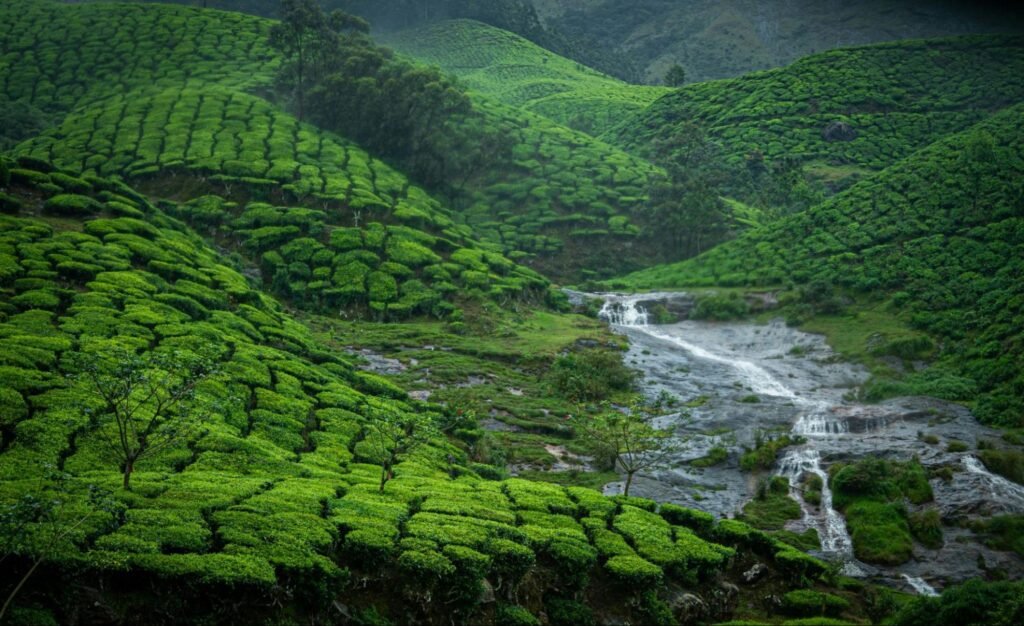
Munnar sits at around 1,600 metres in the Western Ghats, surrounded by tea estates owned by Tata, KDHP, and smaller producers. The drive up from Kochi takes around four hours. The main activities are estate walks, factory visits, and the higher trails towards Eravikulam National Park, home to the endangered Nilgiri tahr. Two nights is the working minimum.
Thekkady and Periyar are the wildlife stops. Periyar Tiger Reserve covers 925 square kilometres around an artificial lake, and boat safaris give reliable sightings of elephant, gaur, and sambar deer. Tigers exist, but sightings are rare. The reserve also runs guided forest walks and bamboo rafting as part of its eco-tourism programme, which is better value than the standard boat ride.
The backwaters centre on Alleppey (Alappuzha) and Kumarakom. Alleppey gives you direct access to the wider Kuttanad system, including the working canals where rice cultivation happens below sea level. Kumarakom is more focused on the open Vembanad Lake and has the higher-end resort properties. A one-night houseboat plus one night at a backwater resort is the standard format.
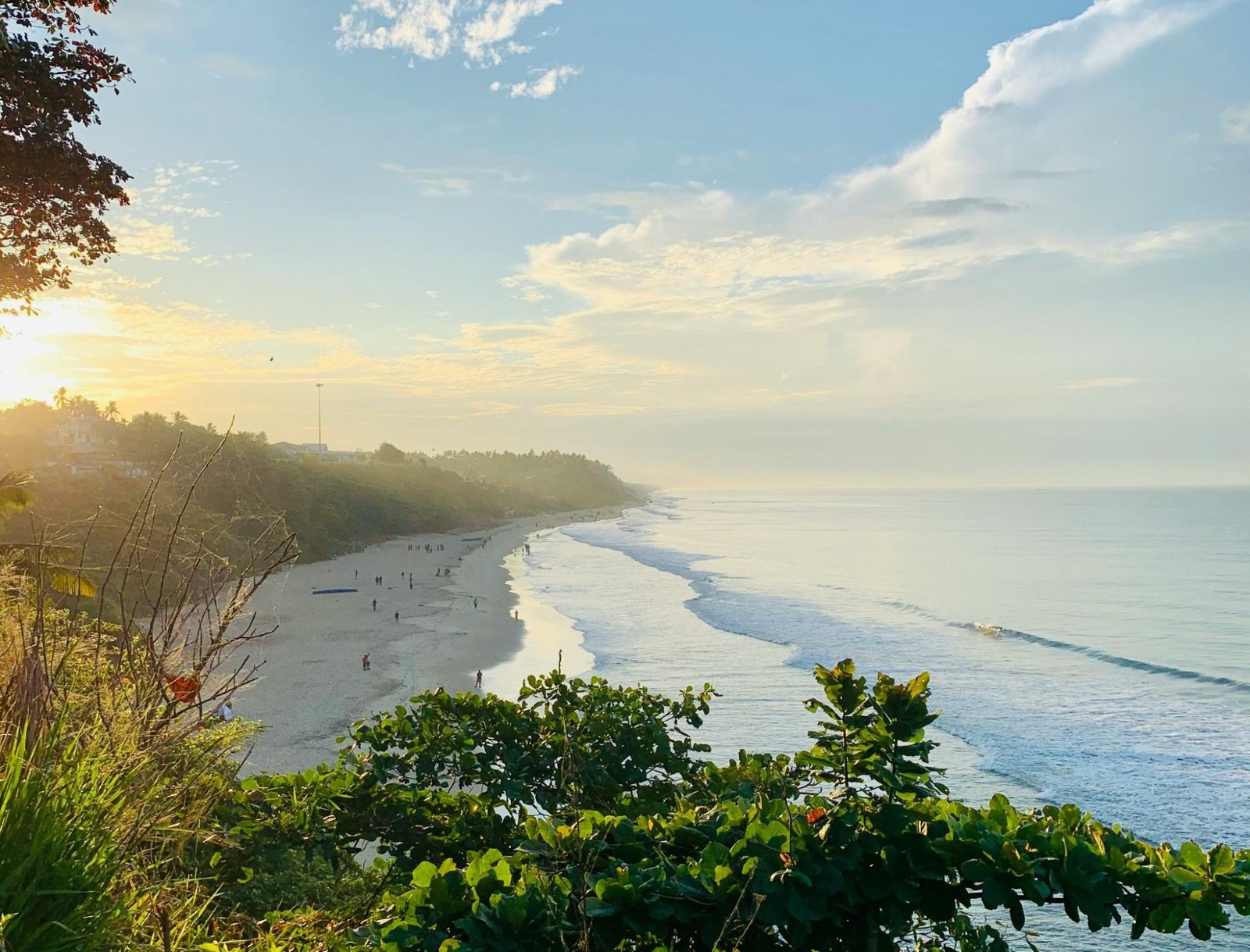
The coast has three main options. Kovalam is the traditional resort beach south of Thiruvananthapuram, with the highest concentration of hotels. Varkala sits on a clifftop further north and has a younger, backpacker-derived scene that has gone upscale. Marari Beach, north of Alleppey, is the calmest of the three and home to several well-rated Ayurveda resorts.
Wayanad, in the north of the state, is an additional region for longer trips. It has wildlife reserves connected to Karnataka’s Nagarhole and Tamil Nadu’s Mudumalai, plus coffee and spice plantations, and the ancient Edakkal Caves with petroglyphs dating back several millennia.
Types of Kerala tour packages
Operators bundle Kerala in a few standard ways.
Backwater-focused packages centre on Alleppey and Kumarakom with shorter stops in Kochi. These suit travellers who want a calm holiday with a single primary experience and run for four to six nights.
Hill and backwater combinations are the most common format, covering Kochi, Munnar, Thekkady, and Alleppey across six to eight nights. This is the standard first-visit itinerary.
Beach extensions add three to five nights at Kovalam, Varkala, or Marari at the end of a hill and backwater trip. These work well as honeymoon formats or for travellers wanting a clear holiday segment to close the trip.
Ayurveda and wellness packages are built around a single resort stay, generally 14 to 21 nights, with sightseeing kept to a minimum. The leading properties include Somatheeram, Kalari Kovilakom (a CGH Earth property in a converted palace), and Carnoustie. These are treatment programmes with consultations, prescribed diets, and daily therapies, not spa holidays.
Cultural and arts packages include Kathakali and Kalaripayattu performances, viewing Theyyam in the northern Malabar region between December and April, and visits to traditional craft villages. These work best at the longer end, around twelve nights or more, and pair well with the Biennale years.
Luxury Kerala travel packages generally combine private guides, premium houseboats (Spice Routes, Lakes & Lagoons, and similar), heritage and luxury resort properties (Brunton Boatyard, Coconut Lagoon, Spice Village, Marari Beach Resort), and chauffeured transfers throughout. The price difference between mid-range and luxury comes mostly from accommodation and the houseboat upgrade.
What is typically included
Standard inclusions in a mid-range to luxury Kerala holiday package: accommodation along the route, daily breakfast, all transfers in a private vehicle with a driver, full-board houseboat for the cruise nights, sightseeing as per the itinerary, and standard entry tickets to the major sites.
Standard exclusions: international and domestic flights; lunches and dinners outside the houseboat; alcohol; Ayurveda consultations and treatments unless explicitly listed; optional activities such as the Kalaripayattu show or longer Periyar walks; and gratuities.
Check the small details when comparing packages: whether the houseboat is a sole occupancy or shared deluxe, whether room categories at hill station properties are estate view or interior, and whether airport transfers are included on both ends.
Questions to ask before booking
A few practical questions tend to filter the better operators from the rest.
Which specific houseboat operator are you working with, and can you confirm the boat name in writing? Vague answers here usually mean a last-minute substitution.
What is the substitution policy if a property becomes unavailable closer to the departure date? Look for written commitments to like-for-like replacements.
Is the Munnar accommodation actually in the town of Munnar or in the wider Idukki district? Some properties marketed as Munnar are more than an hour from the tea estates.
Who is the local representative at each stop, and what is the contact protocol for issues? Solid operators have ground staff in each destination, not just a head office number.
If Ayurveda is part of the trip, who is the consulting physician and are they registered with the Kerala Ayurveda Medical Council? This is the basic check that separates clinical Ayurveda from spa marketing.
Planning your trip
A good Kerala travel package balances the three working landscapes (hills, backwaters, coast) against your available time and the season you are travelling in. Most first visits work best as seven to eight-night trips with Kochi, Munnar, the backwaters, and a short beach extension. Longer trips and Ayurveda-led visits need different planning and benefit most from operator experience.To plan a custom Kerala itinerary, get in touch with the Immersive Trips team for a tailored proposal based on your dates, budget, and travel style.
Frequently Asked Questions
What is the best time to book Kerala tour packages?
The best time to book Kerala tour packages is between October and March, when the weather is pleasant, humidity is lower, and conditions are ideal for sightseeing, backwaters, hill stations, and beach stays.
How many days are enough for a Kerala holiday package?
A minimum of 5 nights is recommended for a short Kerala holiday package covering Kochi, Munnar, and the backwaters. For a more balanced trip with Thekkady or a beach extension, 7-8 nights work better.
What are the most popular destinations included in Kerala travel packages?
Most Kerala travel packages include Kochi, Munnar, Thekkady, Alleppey, Kumarakom, Kovalam, Varkala, Marari Beach, and Wayanad, depending on the duration and style of the itinerary.
Are Kerala tour packages suitable for first-time travellers?
Yes. Kerala tour packages are ideal for first-time travellers because they help manage transfers, hotel bookings, houseboat selection, sightseeing, and route planning across different landscapes.
What is usually included in Kerala holiday packages?
Most Kerala holiday packages include accommodation, daily breakfast, private transfers with a driver, sightseeing as per itinerary, entry tickets to major sites, and full-board meals during houseboat stays.
Are houseboats included in Kerala tour packages?
Yes, many Kerala tour packages include a houseboat stay in Alleppey or Kumarakom. It is important to check whether the houseboat is private or shared, and whether meals, air conditioning, and the exact boat category are confirmed.
Which Kerala tour package is best for couples or honeymooners?
A hill, backwater, and beach combination works best for couples. A typical honeymoon-style Kerala travel package may include Munnar, Alleppey or Kumarakom, and Marari, Kovalam, or Varkala.
Is monsoon a good time to visit Kerala?
Monsoon, from June to September, is best suited for Ayurveda and wellness-focused Kerala holiday packages. It is not ideal for sightseeing-led trips because heavy rainfall can affect outdoor plans.
What should I check before booking a Kerala travel package?
Before booking, confirm the specific hotels, houseboat operator, room category, transfer inclusions, substitution policy, Ayurveda credentials if applicable, and local support available during the trip.
Can Kerala tour packages be customised?
Yes. Kerala tour packages can be customised based on travel dates, budget, preferred destinations, travel pace, accommodation category, Ayurvedic requirements, beach extensions, and special interests such as culture, wildlife, or wellness.