
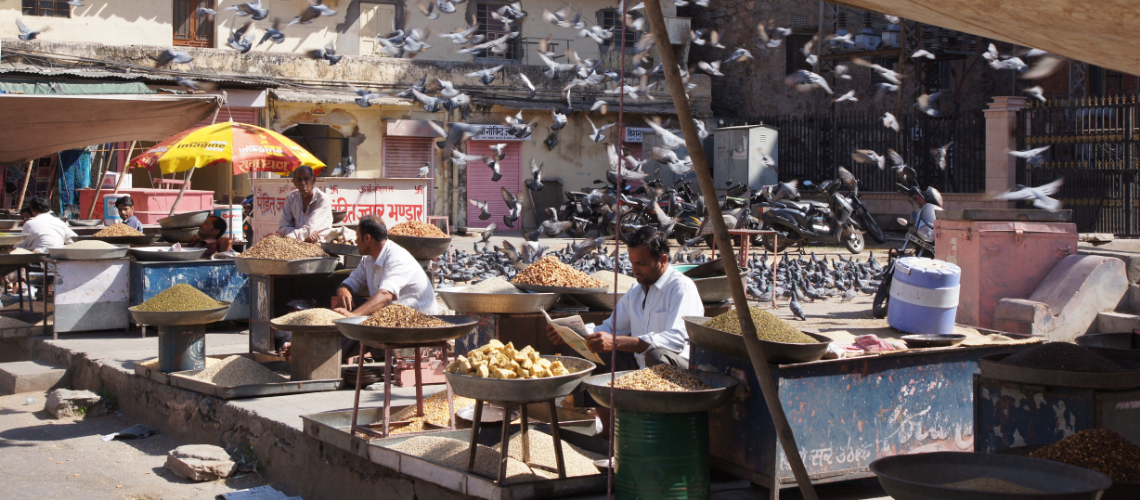
Jaipur has one of the richest and most varied food cultures in Rajasthan, and knowing the best places to eat in Jaipur transforms a visit from a tour of forts into a genuine culinary journey. The city’s food splits into two worlds that both reward exploration: the old city street food that locals have eaten for generations, from ghee-drenched kachoris to fresh sweets, and the vibrant cafe and restaurant scene, from cultural village feasts to rooftop dining with fort views. This guide covers where to eat across every category, what to order, and how to experience the best of the Pink City’s food.
For what to order across the state, see our traditional food of Rajasthan guide, and for trip planning, our Jaipur travel guide.
What to eat in Jaipur
Jaipur’s essential dishes reflect the broader Rajasthani tradition alongside its own specialities. Dal baati churma, the iconic combination of ghee-soaked baked wheat balls, five-lentil dal, and sweet churma, is the dish to try first. Pyaaz kachori, a crisp, flaky pastry filled with spiced onion, is Jaipur’s signature street snack. Laal maas, the fiery Rajasthani mutton curry, is for those who love spice. Ghevar, a disc-shaped festival sweet, and mawa kachori, a sweet stuffed pastry, are essential for those with a sweet tooth. The traditional Rajasthani thali brings many of these together in a single feast.
Cultural Village Dining
Chokhi Dhani
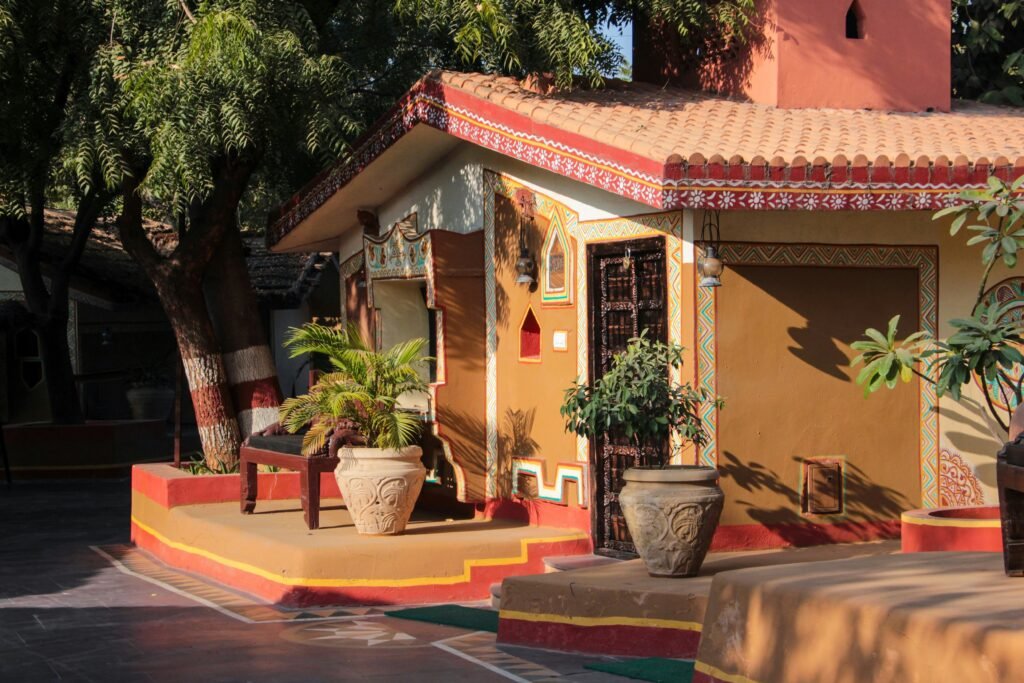
Chokhi Dhani, on the city’s outskirts, is the definitive cultural dining experience in Jaipur: a recreated traditional Rajasthani village where an unlimited thali is served in mud huts lit by lanterns, accompanied by folk dances (Ghoomar and Kalbeliya), puppet shows, camel and elephant rides, magic acts, and fire performances. The thali features dal baati churma, gatte ki sabzi, kadhi, bajra khichda, and much more, served traditionally with warmth. Touristy by design but genuinely memorable, it is a particular highlight for families and first-time visitors, offering food and culture together in one evening.
Old City Institutions and Street Food
Rawat Mishtan Bhandar
Rawat Mishtan Bhandar, near the railway station, is a Jaipur institution and the most famous place in the city for pyaaz kachori. Freshly fried and served hot with chutney, it is one of the essential Jaipur food experiences. Rawat is also renowned for its sweets, including its mawa kachori, making it a perfect breakfast or snack stop.
LMB (Laxmi Misthan Bhandar)
LMB in Johari Bazaar is a legendary old-city vegetarian restaurant and sweet shop, serving traditional Rajasthani thalis and a wide range of sweets in an atmospheric setting in the heart of the bazaar district. It is a classic choice for an authentic sit-down Rajasthani meal while exploring the old city.
Street Food Bazaars
The old city bazaars, particularly along MI Road, Johari Bazaar, and Bapu Bazaar, offer the best street food concentrations in Jaipur, from kachoris and mirchi bada to fresh sweets and chaat. Exploring the street food of these bazaars is one of the most authentic and affordable ways to experience Jaipur’s food culture.
Rooftop and Cafe Dining
Rooftop Restaurants Near Hawa Mahal
Several rooftop cafes and restaurants opposite the Hawa Mahal offer the perfect combination of a meal or coffee with the iconic view of the Palace of Winds. These are ideal for a relaxed break during old-city sightseeing, and the morning light on the facade is best for photographs.
The Modern Cafe Scene
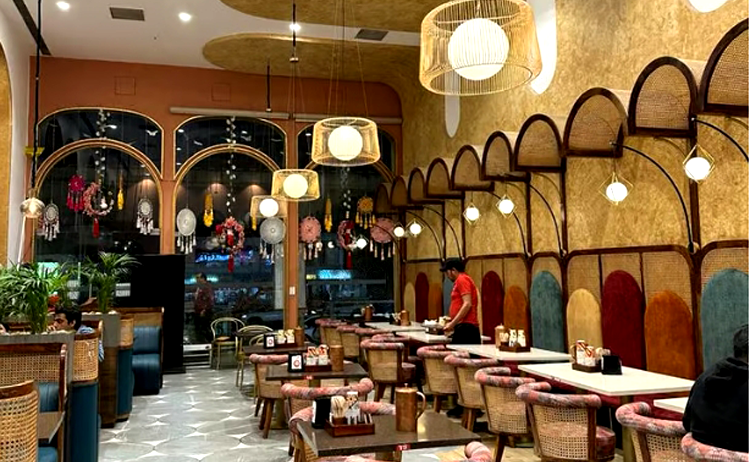
Jaipur’s cafe and restaurant scene has expanded significantly in recent years, with stylish venues serving everything from traditional Rajasthani dishes to international cuisine, often in beautifully designed heritage or garden settings. These offer a more contemporary counterpoint to the old-city street food and are popular for a relaxed lunch or dinner.
Heritage Hotel Dining
For a refined experience, several of Jaipur’s heritage and palace hotels offer dining in atmospheric royal settings, serving traditional Rajasthani and Indian cuisine prepared to a high standard. A meal or high tea at a heritage property is a memorable way to experience the city’s royal food culture. Our heritage hotels in Rajasthan guide covers these properties.
Tips for Eating Well in Jaipur
Start with pyaaz kachori. A morning kachori at Rawat Mishtan Bhandar is one of the essential Jaipur food experiences and a perfect start to a day of sightseeing.
Do a cultural dinner once. Chokhi Dhani or a similar cultural village complex offers food and folk culture together in one memorable evening, particularly good for families.
Explore the bazaar street food. The old city bazaars offer the most authentic and affordable Rajasthani snacks. Look for the busiest stalls, which are the freshest.
Combine food with the Hawa Mahal view. A rooftop cafe opposite the Hawa Mahal lets you enjoy a meal or coffee with the city’s most iconic view.
Request your spice level. Dishes like laal maas can be very spicy; most restaurants will happily prepare milder versions on request.
Note that Jaipur runs on UPI. Digital payment via QR codes is accepted almost everywhere, from fort ticket counters to street food stalls, though it is worth carrying some cash as a backup.
Plan your Jaipur Food journey with Immersive Trips
At Immersive Trips, we build Jaipur itineraries that treat food as an essential part of the experience, connecting you to the best street food, cultural feasts, and heritage dining the Pink City offers. Get in touch with our team to plan a Jaipur journey rich in flavour.
Frequently asked questions about places to eat in Jaipur
What food is Jaipur famous for?
Jaipur is famous for pyaaz kachori (spiced onion pastry), dal baati churma (the iconic Rajasthani dish of baked wheat balls, dal, and sweet churma), laal maas (fiery mutton curry), and sweets such as ghevar and mawa kachori. The traditional Rajasthani thali brings many of these together in a single feast.
Where can I try the best pyaaz kachori in Jaipur?
Rawat Mishtan Bhandar, near the railway station, is the most famous place in Jaipur for pyaaz kachori, freshly fried and served hot with chutney. It is one of the essential Jaipur food experiences and is also renowned for its sweets.
Is Chokhi Dhani worth visiting?
Yes, particularly for families and first-time visitors. Chokhi Dhani offers an unlimited Rajasthani thali served in a recreated village setting, accompanied by folk dances, puppet shows, camel rides, and fire performances. It combines food and culture in one memorable evening and is one of Jaipur’s signature experiences.
Where can I eat with a view of the Hawa Mahal?
Several rooftop cafes and restaurants opposite the Hawa Mahal offer meals and coffee with a direct view of the iconic facade. These are ideal for a relaxed break during old-city sightseeing, and the morning light on the Palace of Winds is best for photographs.
Is Jaipur good for vegetarian food?
Excellent. Like the rest of Rajasthan, Jaipur is highly vegetarian-friendly, with most iconic dishes being vegetarian. LMB in Johari Bazaar is a legendary vegetarian restaurant and sweet shop, and vegetarian thalis, kachoris, and sweets are available throughout the city.
Where is the best street food in Jaipur?
The old city bazaars, particularly MI Road, Johari Bazaar, and Bapu Bazaar, offer the best street food concentrations, from kachoris and mirchi bada to fresh sweets and chaat. Looking for the busiest stalls ensures the freshest food.
Can I eat at a heritage hotel in Jaipur without staying there?
Yes, many of Jaipur’s heritage and palace hotels welcome outside guests for dining, high tea, or special meals, though it is worth booking in advance. A meal in an atmospheric royal setting is a memorable way to experience the city’s food culture. Our heritage hotels in Rajasthan guide covers the properties.
What sweets should I try in Jaipur?
Ghevar (a disc-shaped festival sweet, particularly associated with Teej), mawa kachori (a sweet stuffed pastry), and the range of traditional sweets at institutions such as LMB and Rawat Mishtan Bhandar are all worth trying. Jaipur’s sweet shops are among the best in Rajasthan.
Is Jaipur’s street food safe to eat?
Yes, generally. Freshly cooked, hot street food from busy stalls (where high turnover ensures freshness) is the safest choice. Jaipur’s street food culture is well established and a highlight of the city’s food scene. As always, choosing the busiest, most popular stalls is a reliable guide to quality.
How do I pay at restaurants and stalls in Jaipur?
Jaipur is a highly digital city for payments, with UPI via QR codes accepted almost everywhere, from fort ticket counters to street food stalls and restaurants. It is still worth carrying some cash as a backup, particularly for smaller vendors, but digital payment is widely accepted.