
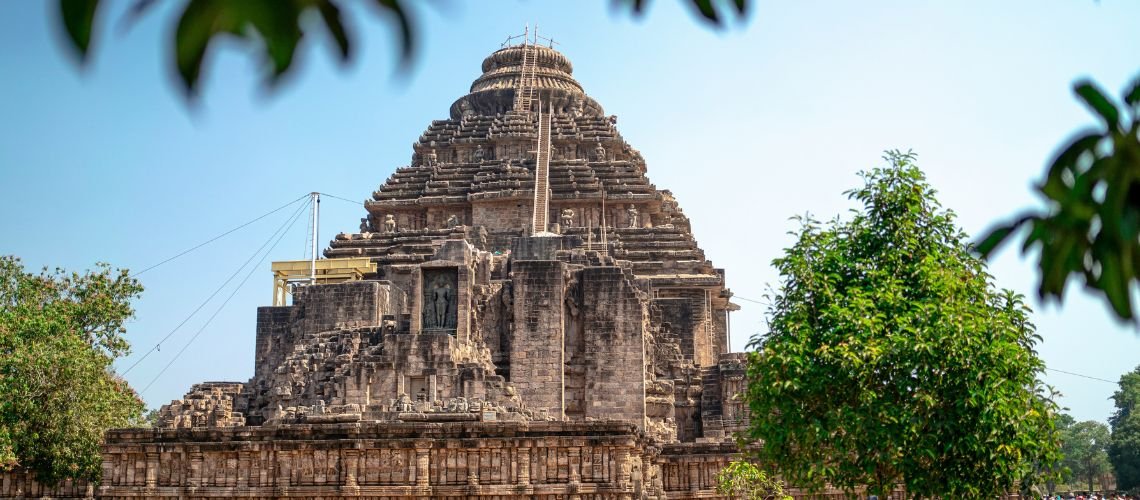
Odisha packs an unusual range into one state Lingaraj Templancient temples, a coastline dotted with lagoons, dense forest sheltering tigers and elephants, and villages where entire families still practise crafts passed down for generations. This guide covers the best things to do in Odisha that make the most of that range from the golden triangle of temples to wildlife further off the beaten path.
Explore the Golden Triangle Temples and the Sun Temple
Bhubaneswar, the state capital, is commonly called the temple city, and Lingaraj Temple, dating back to the eleventh century and dedicated to Lord Harihara, a joint form of Shiva and Vishnu, is its grandest example. Mukteshwar Temple, smaller and older still is known for detailed stone carvings that have earned it the nickname Gem of Odisha.
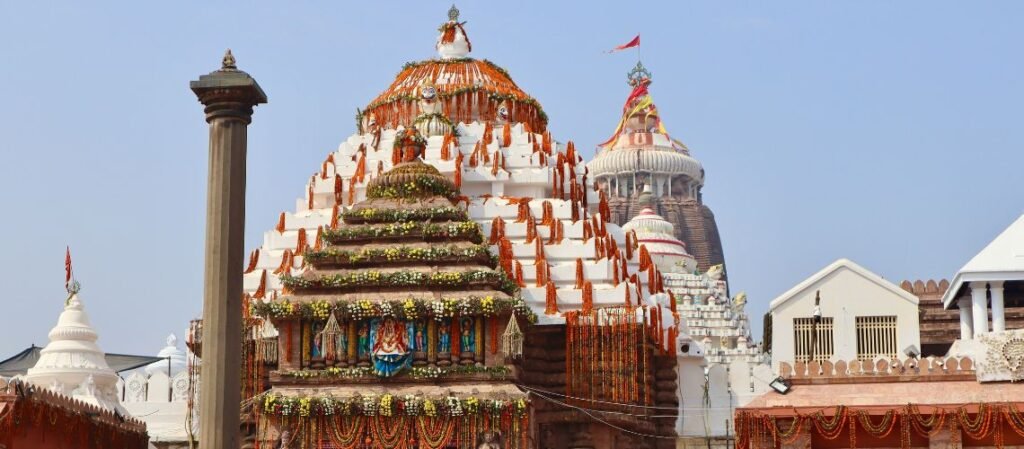
Puri’s Jagannath Temple, one of India’s four major Char Dham pilgrimage sites, draws pilgrims year round, and its scale and devotion are worth witnessing even for travellers with no religious connection to the site. Konark Sun Temple, a UNESCO World Heritage Site built in the thirteenth century and designed as a giant stone chariot, completes what is commonly called Odisha’s golden triangle alongside Bhubaneswar and Puri and remains one of the most photographed things to do in Odisha for good reason.
Spot Dolphins and Birds at Chilika Lake
Chilika Lake, Asia’s largest brackish water lagoon, spreads across three districts and makes for one of Odisha’s most memorable half day trips. Boat safaris from Satapada take visitors out to spot Irrawaddy dolphins, a rare species found in only a handful of places worldwide and the ride itself past fishing boats and open water stretching to the horizon is worth the trip on its own.
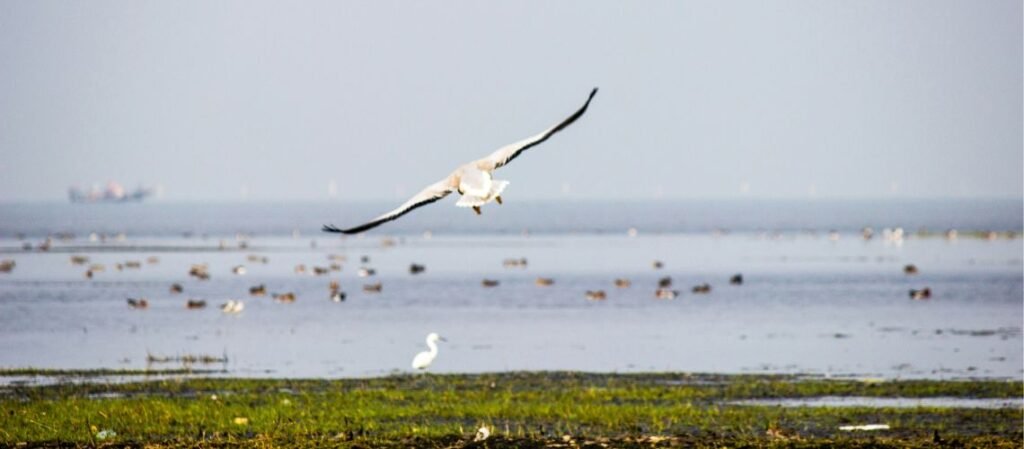
Nalabana Bird Sanctuary, an island within the lake, draws large numbers of migratory birds each winter, making a Chilika Lake visit especially rewarding for anyone travelling between November and February.
Go on Wildlife Safari at Similipal and Bhitarkanika
Similipal National Park, one of India’s largest tiger reserves, protects dense forest home to tigers, elephants and several deer species, along with a rich variety of birdlife across its hills and waterfalls. Bhitarkanika National Park, further along the coast, takes visitors through mangrove forest by boat, with sightings of saltwater crocodiles, king cobras and a wide range of water birds along the way.
Both parks work best as a dedicated day trip or overnight stay from Bhubaneswar, given their distance from the main golden triangle circuit and both rank among the more adventurous things to do in Odisha for travellers with a couple of extra days.
Learn Traditional Crafts in Raghurajpur
Raghurajpur, a heritage crafts village near Puri, is where Pattachitra painting, a traditional cloth based art form depicting mythological scenes, is practised by nearly every household. Visitors can watch artists at work, and the village is also known for palm leaf engravings, wood and stone carving, and Gotipua, a folk dance regarded as the forerunner of classical Odissi.
Pipili, a smaller town closer to Bhubaneswar, adds a second craft stop known for its colourful appliqué work, seen on umbrellas, lampshades and wall hangings sold along the main road.
A shortlist like this only scratches the surface of what Odisha tour packages typically cover, and it works best treated as a starting point, not a fixed schedule. Immersive Trips designs its Odisha tour packages around exactly this range, pairing temple visits with wildlife and craft villages depending on how much time a traveller has.
More Things to Do in Odisha
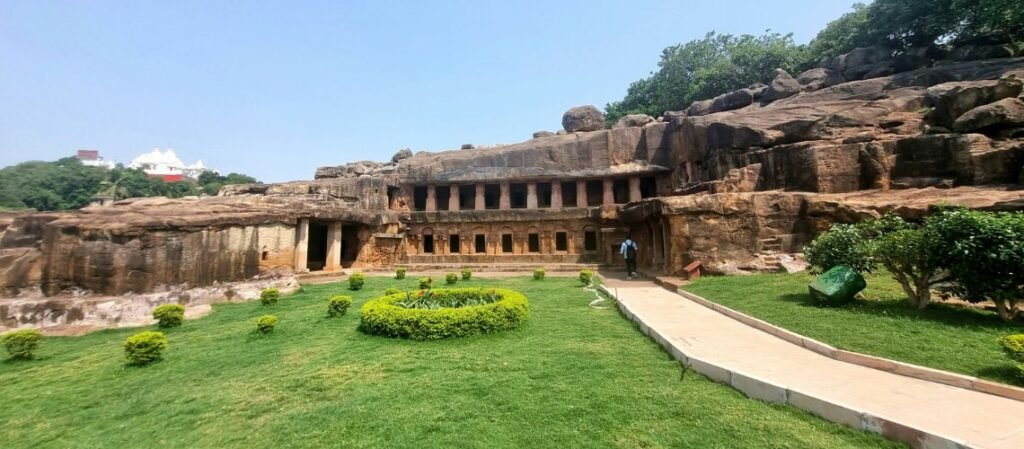
Udayagiri and Khandagiri Caves, carved into twin hills near Bhubaneswar around the first century BC, once served as retreats for Jain ascetics and now stand as an easy half day stop for anyone interested in ancient rock cut architecture. Dhauli, a short drive further out, marks the site of the Kalinga War and Emperor Ashoka’s turn toward Buddhism, with a white peace pagoda built above ancient rock edicts.
The Buddhist sites of Ratnagiri, Udayagiri and Lalitgiri, sometimes called the diamond triangle, hold the ruins of monasteries and stupas dating back over a thousand years, and they suit travellers with a specific interest in Odisha’s Buddhist history. Tribal villages around Koraput and Rayagada, in the state’s more remote interior give a genuine look at Odisha’s tribal cultures best visited with a local guide who understands the customs of the communities there.
Planning a Realistic Odisha Itinerary
Five to six days give a comfortable spread across Bhubaneswar, Puri, Konark and Chilika Lake, the core of most Odisha travel packages, without needing to rush any of it. Adding Similipal or Bhitarkanika stretches a trip closer to eight or nine days, given the extra travel time each involves.
Winter, from October to February, suits most of this Odisha itinerary best with cool, dry weather for temple visits, beach time and wildlife spotting alike. Summer turns the coast hot and humid and the monsoon brings heavy rain though it does coincide with the Rath Yatra festival in Puri for travellers keen to witness it.
Frequently Asked Questions
What is the number one thing to do in Odisha?
Visiting the golden triangle of Bhubaneswar’s temples, Puri’s Jagannath Temple and the Konark Sun Temple is the activity most associated with an Odisha trip. A Chilika Lake dolphin safari is a close second for travellers with an extra day to spare.
How many days do I need for things to do in Odisha?
Five to six days cover Bhubaneswar, Puri, Konark and Chilika Lake comfortably, the core of most Odisha holiday packages. A further two to three days allow for Similipal or Bhitarkanika, given the extra travel time each requires, without feeling rushed.
Is Chilika Lake worth visiting?
Chilika Lake ranks among Odisha’s highlights for most travellers, combining Irrawaddy dolphin sightings with birdwatching at Nalabana Sanctuary, particularly between November and February. The boat ride itself, across Asia’s largest brackish water lagoon, is worth the trip regardless of what wildlife appears.
Can I see tigers in Odisha?
Similipal National Park is Odisha’s main tiger reserve, though sightings are far from guaranteed and depend heavily on timing, luck and local guidance. The forest, waterfalls and wider birdlife make the visit worthwhile even without a tiger sighting on the day.
Is Raghurajpur worth a visit?
Raghurajpur rewards travellers with a genuine interest in traditional crafts since Pattachitra painting is practised in nearly every household in the village. A visit here gives a far closer look at Odisha’s artistic heritage than a museum or shop ever could.
Do I need a guide for Odisha’s temples?
No guide is required at most of Odisha’s temples though one adds real value at sites like Konark Sun Temple, where the carvings hold specific mythological and astronomical meaning. Local guides are easy to arrange through most hotels or tour operators in Bhubaneswar and Puri.
What is the Rath Yatra festival?
Rath Yatra is Odisha’s most famous festival, held annually in Puri when the deities of the Jagannath Temple are pulled through the streets on massive wooden chariots. It usually falls in June or July and draws enormous crowds, so travellers attending should plan accommodation well in advance.
Are wildlife safaris in Odisha family friendly?
Wildlife safaris at Similipal and Bhitarkanika suit families reasonably well, though the longer drive times and early morning starts work better for children old enough to sit through a full day out. Boat safaris at Bhitarkanika tend to be gentler and shorter than a full jungle safari at Similipal.
Turning This List Into a Real Trip
A list of activities only becomes useful once it sits against real distances and how much time a traveller has to spend in Odisha. Immersive Trips builds its Odisha tour packages around exactly that mix, weaving temples, wildlife and craft villages to suit the trip, not following a fixed script. Anyone ready to turn this list into a proper Odisha itinerary can start with a simple conversation about what the trip should include.