
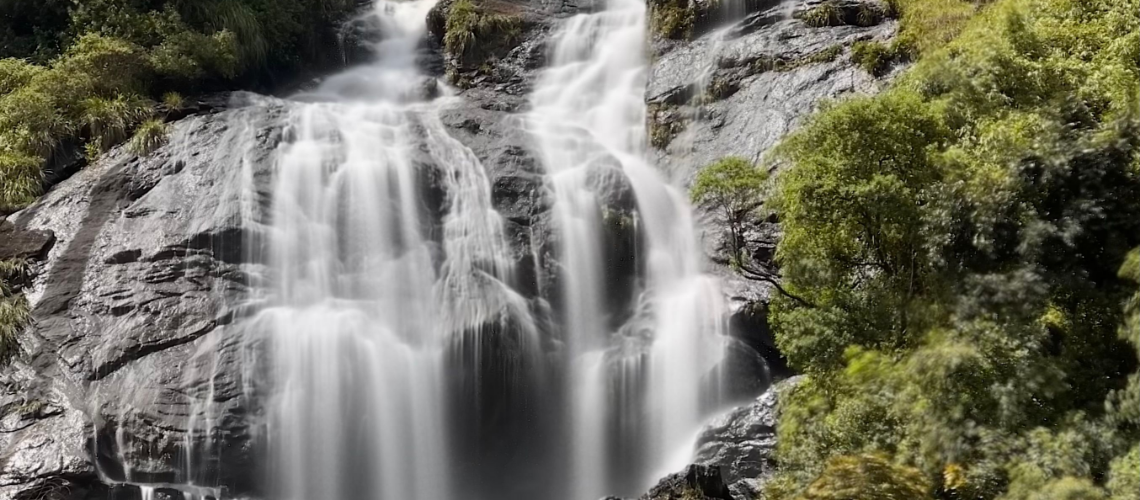
Munnar is one of India’s most celebrated hill stations for good reason. The places to visit in Munnar span world-class wildlife encounters, the world’s highest tea plantation, panoramic viewpoints across the Western Ghats, cascading waterfalls, and a living agricultural landscape that few destinations in India can rival. This guide covers every significant attraction in and around Munnar, with honest guidance on what each offers, how to get there, and how to make the most of your time.
For full trip planning, read our Munnar travel guide and our list of things to do in Munnar.
Places to visit in Munnar: wildlife and nature
Eravikulam National Park
Eravikulam National Park is the single most significant attraction in the Munnar region. Kerala’s first national park, declared in 1978, covers 97 square kilometres along the crest of the Western Ghats and is home to the world’s largest population of the Nilgiri tahr, an endangered mountain goat species found only in this part of the Ghats. The park also contains Anamudi Peak, the highest point in South India at 2,695 metres, which means “elephant’s forehead” in Malayalam after the distinctive shape of the summit.
The main visitor area, the Rajamalai Hills, is accessed via a shuttle bus from the park entrance gate (private vehicles are not permitted beyond the gate). The Nilgiri tahr are accustomed to visitors and can often be seen grazing at close range on the open grasslands alongside the visitor path. The landscape of rolling shola grassland and forest, with the misty peaks of the Ghats in the background, is extraordinarily beautiful.
Practical notes: The park closes annually during the Nilgiri tahr calving season, typically February to April. Entry tickets are limited (approximately 3,500 per day, with the majority available online). Booking online in advance during peak season is strongly recommended. The park is located 8 kilometres from the town of Munnar.
Chinnar Wildlife Sanctuary
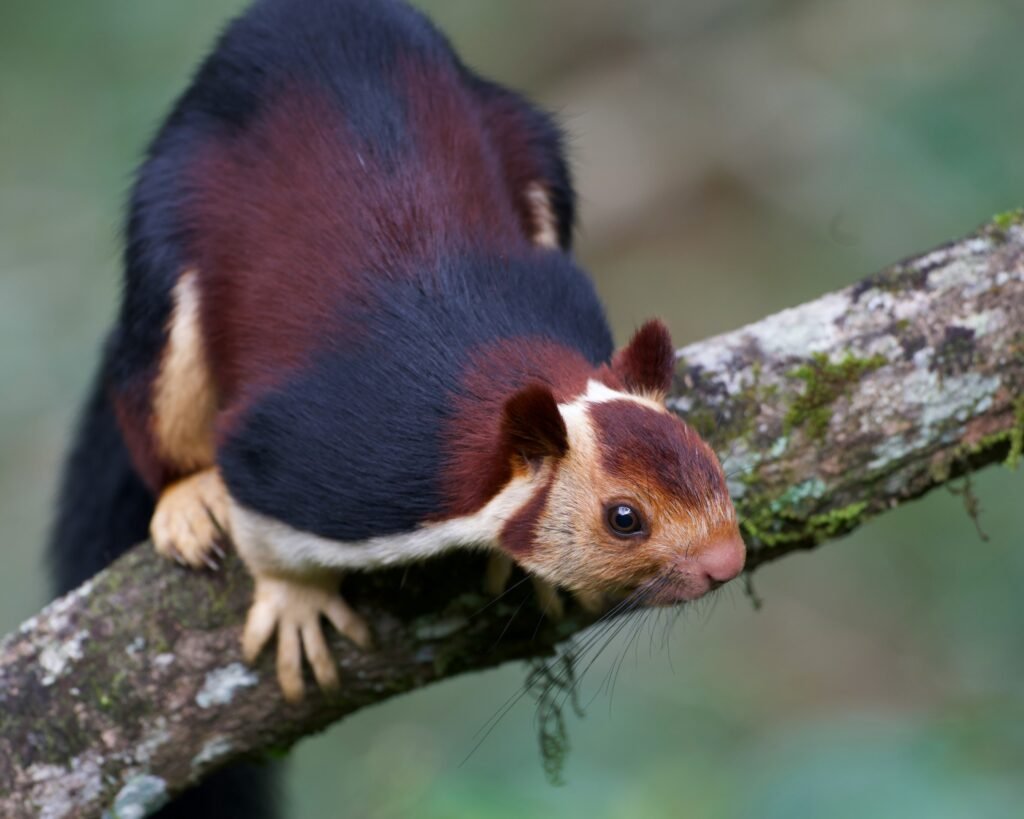
Chinnar Wildlife Sanctuary, about 60 kilometres from Munnar on the border with Tamil Nadu, is a significantly less-visited but highly rewarding protected area. The sanctuary’s distinctive character comes from its position in the rain shadow of the Western Ghats, creating a dry, thorny scrub forest habitat unlike anything else in Kerala. It is home to the Grizzled Giant Squirrel (found nowhere else in Kerala), Indian star tortoises, mugger crocodiles, leopards, Indian wild dogs, and wild elephants.
The river trekking programme through the Chinnar River is one of the most unique wildlife activities in the Munnar region: a guided wade through the river, watching for crocodiles, birds, and butterflies in the dry riverine forest.
Places to visit in Munnar: viewpoints and drives
Top Station
Top Station is the highest point accessible by road in the Munnar region, located 35 kilometres from the town at approximately 1,700 metres on the border with Tamil Nadu. The viewpoint offers sweeping panoramic views across the valleys and ridges of the Western Ghats, with the mist-covered Tamil Nadu plains visible on clear days. The road to Top Station passes through Mattupetty, Echo Point, and Kundala Lake, making the drive itself the attraction as much as the destination.
Pothamedu Viewpoint
Pothamedu Viewpoint, about 6 kilometres from Munnar town, offers one of the best views of the valley below from a relatively accessible location. The panorama encompasses tea, coffee, and cardamom plantations layered across the hillsides. It is significantly less crowded than the main Top Station route and is best visited early in the morning when the mist in the valley creates a particularly atmospheric scene.
Lockhart Gap
Lockhart Gap, about 13 kilometres from Munnar town, is a mountain pass that offers dramatic views across deep valleys to the south. The gap in the ridge frames the distant landscape and is a particularly good spot for photography. It receives fewer visitors than the better-known viewpoints and has a wilder, more raw character.
Places to visit in Munnar: dams and lakes
Mattupetty Dam and Lake
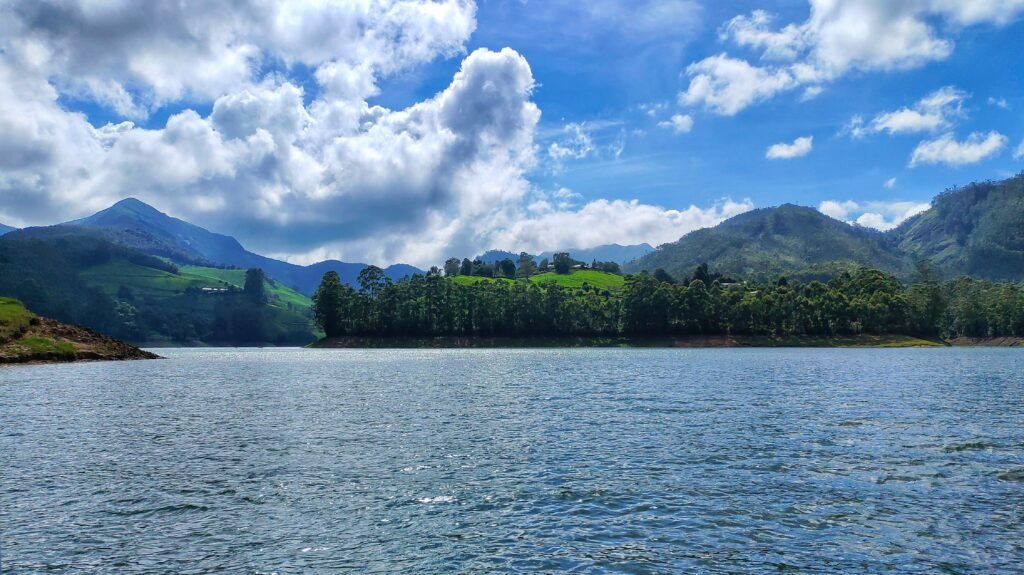
Mattupetty Dam, 13 kilometres from Munnar at 1,700 metres, is a storage masonry dam built in 1953 as part of the Pallivasal hydroelectric project. The reservoir it creates is a scenic destination for shikara and speedboat boating, with the tea-covered hills reflected in the still water. Adjacent to the dam is the Indo-Swiss Livestock Project, a specialist dairy farm established in 1963 through a bilateral agreement between India and Switzerland, home to high-quality cattle breeds maintained for research and milk production.
Kundala Lake
Kundala Lake, about 20 kilometres from Munnar, is the largest lake in the Munnar region and a popular spot for shikara (traditional boat) rides on the placid water. The lake is surrounded on all sides by tea plantations and forested hills. The road to Kundala from Mattupetty passes through the Kundala Tea Estate and is pleasant to drive.
Echo Point
Echo Point, 15 kilometres from Munnar, sits on the banks of a small lake in the Nilgiri Hills. The natural acoustic phenomenon of a clear echo produced by the surrounding hillsides gives it its name. It is a pleasant stop on the Top Station route, with the lake and tea-covered hills creating a picturesque setting.
Places to visit in Munnar: Tea Heritage
Kolukkumalai tea estate
Kolukkumalai, approximately 38 kilometres from Munnar on a steep jeep track, is home to the world’s highest tea plantation at around 7,900 feet. The factory here, built in the 1930s, still processes leaves by orthodox methods rather than the modern CTC (crush-tear-curl) process. This produces teas of distinctive character prized for their high-altitude freshness. A guided factory tour is available, and the tea tasting centre stocks Broken Orange Pekoe and Flowery Orange Pekoe varieties grown on the estate. The pre-dawn jeep trip for the sunrise above the clouds is the most memorable way to experience Kolukkumalai.
Tea Museum
The Tea Museum near Munnar town documents the history of tea cultivation in the Munnar hills, from the late 19th-century establishment of the first British-owned estates to the present day. Original plantation machinery, historical photographs, and artefacts from the planter era are displayed across a well-organised space. It is the most accessible introduction to the history behind Munnar’s defining landscape.
Working tea estate visits and factory tours
Several estates around Munnar are open for guided visits, including a walk through the plantation rows to observe the plucking process and a tour of the processing factory where the withering, rolling, fermentation, and drying stages are explained. These visits typically last two to three hours and include a tea tasting at the end. Arranging your accommodation ensures you go to a working estate rather than a tourist attraction.
Places to visit in Munnar: waterfalls
Attukal Waterfalls
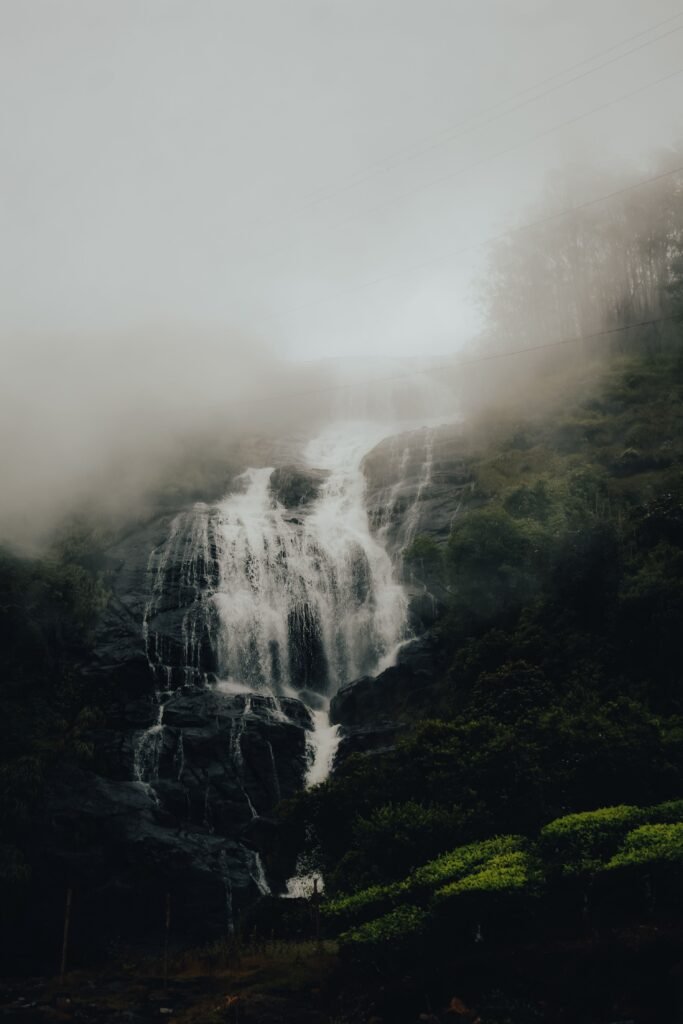
Attukal Waterfalls, about 9 kilometres from Munnar town on the Pallivasal road, is one of the most accessible waterfalls in the region. A short walk from the road leads to the falls, which are set in a narrow rocky gorge. Most impressive after the monsoon, when water levels are high.
Lakkam Waterfalls
Lakkam Waterfalls, in the Eravikulam area, requires a short trek through the forest to reach and is less crowded than Attukal. The falls drop through a forested hillside, and the walk to them is pleasant in its own right.
Cheeyapara and Valara Waterfalls
Cheeyapara Waterfalls and Valara Waterfalls, both located on the Kochi-to-Munnar road about 55 kilometres before reaching Munnar town, are not in Munnar itself but are significant enough to mention. They are standard and worthwhile stops for travellers arriving from Kochi by road
Plan your Munnar visit with Immersive Trips
At Immersive Trips, we build Munnar itineraries that go beyond the standard viewpoint circuit and put you in the most rewarding parts of the hill station at the right time of day. Contact our team or explore our Kerala tour packages.
Frequently asked questions about places to visit in Munnar
Frequently asked questions about places to visit in Munnar
Eravikulam National Park is the most ecologically and experientially significant destination in Munnar. The combination of the endangered Nilgiri tahr, the backdrop of Anamudi Peak, and the shola grassland landscape makes it unlike anything else in Kerala. Kolukkumalai for the sunrise is the most emotionally memorable experience.
How do I visit Eravikulam National Park?
The park is located 8 kilometres from the town of Munnar. A shuttle bus from the entrance gate takes visitors into the main Rajamalai Hills area. Tickets should be booked online in advance during peak season (October to January) as daily entry is limited. The park is closed annually from approximately February to April for the calving season.
Is a visit to Kolukkumalai worth the effort?
Yes, without reservation. The combination of the jeep track, the altitude, the world’s highest tea plantation, the 1930s factory, and the sunrise above the clouds creates an experience unlike anything else in Kerala. The jeep journey and the cold early morning are part of what makes it special, rather than drawbacks. Book a jeep in Munnar town the evening before.
Which is better for boating: Mattupetty or Kundala?
Mattupetty is more accessible (13 kilometres from Munnar) and has more boating options, including speedboats and shikaras. The Indo-Swiss farm adjacent to the dam adds an interesting element. Kundala is quieter and more scenic, with a more peaceful atmosphere. Both are pleasant; Mattupetty is the better choice if you only have time for one.
Are the waterfalls near Munnar worth visiting outside the monsoon?
Yes, though they are considerably more impressive during and immediately after the monsoon (July to October). Attukal and Lakkam are worth a short stop even in the dry season, particularly if you are already in the area for other reasons.
Can I visit Top Station as a day trip?
Yes. The drive from Munnar town to Top Station and back, with stops at Mattupetty, Indo-Swiss Farm, Echo Point, and Kundala, can be comfortably completed in a full day. Starting early (by 8 AM) gives you the best chance of clear views at Top Station before the afternoon mist typically rolls in.
Is Chinnar Wildlife Sanctuary better than Eravikulam National Park?
They offer very different experiences. Eravikulam is easier to access, offers closer wildlife encounters (particularly the Nilgiri tahr), and has a grander landscape. Chinnar is less visited, offers a unique dry-forest habitat, and features river trekking as a distinctive activity. For a first visit, Eravikulam is the priority. For a second visit or for wildlife enthusiasts, Chinnar adds a genuinely different experience.
What is special about the Munnar tea compared to Darjeeling or Assam teas?
Munnar teas are grown at high altitude in the Western Ghats, producing a clean, light, slightly muscatel character that differs from the stronger, more robust Assam teas or the more floral Darjeeling first flush. The orthodox-processed teas from Kolukkumalai, made by traditional methods rather than the more common CTC method, are particularly sought after for their distinctive flavour and freshness.
Are there any sacred or religious sites to visit in Munnar?
The Christ Church in Munnar town, originally built for British planters and their families, is a heritage church set in a garden. Several Hindu temples in and around the town are active and accessible. The region does not have the concentration of temple culture found in coastal Kerala, but these sites are pleasant to include on a walk through the town.
Which part of Munnar sees the least tourist crowds?
The Chinnar Wildlife Sanctuary, the Marayoor sandalwood forest (Kerala’s only natural sandalwood forest, about 40 kilometres from Munnar), and the roads beyond Top Station towards the Tamil Nadu border see significantly fewer visitors than the main Munnar circuit. Pothamedu Viewpoint is also notably less crowded than the more famous viewpoints on the Top Station road.