
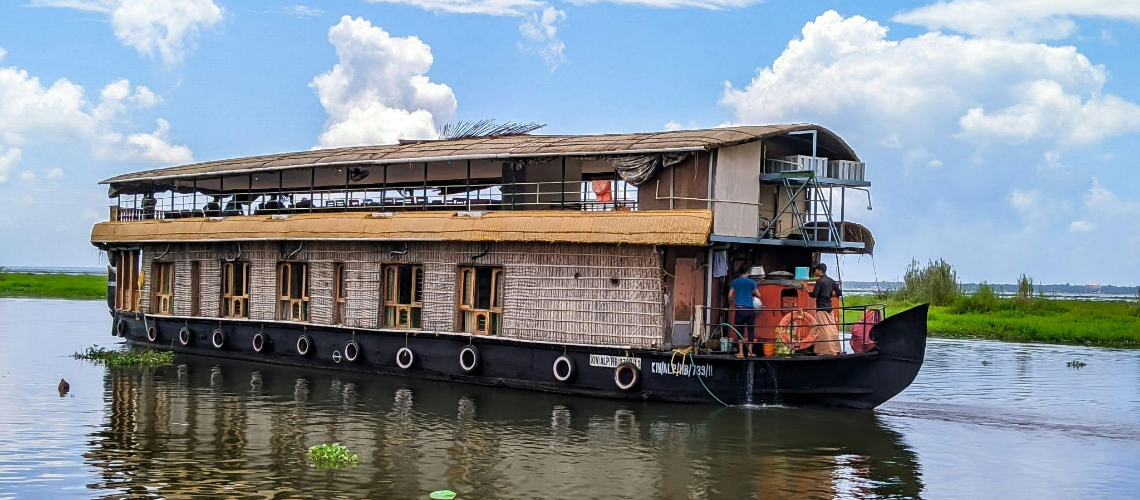
Kerala’s appeal comes from its diversity. The state runs 580 kilometres along India’s southwest coast, with the Western Ghats forming an almost continuous wall on its eastern edge. That geography puts beaches, backwaters, hill stations, wildlife reserves, and historic ports within a few hours of each other, which is why most travellers consolidate the state into a single trip. This guide covers the places to visit in Kerala that anchor a well-built itinerary, plus a few additions worth knowing about. Use it to scope what you want to see before scoping out Kerala tour packages with an operator.
Fort Kochi
Fort Kochi is the historic peninsula across the harbour from Ernakulam, and it carries layered traces of Portuguese, Dutch, and British occupation. Mattancherry Palace, commissioned by the Portuguese in 1555 and renovated by the Dutch, holds Ramayana murals that count among the finest in southern India. The Paradesi Synagogue in nearby Jew Town dates to 1568. Chinese fishing nets line the waterfront at sunset, and the streets behind them are lined with a dense cluster of cafes, galleries, and antique shops. If your visit aligns with a Biennale year (next held December 2026 to April 2027), the entire neighbourhood becomes the venue.
Munnar
Munnar sits at around 1,600 metres in the Western Ghats, surrounded by tea estates that stretch for tens of kilometres in every direction. Most of the land is owned by Tata, KDHP, and a handful of smaller producers, and several estates run guided walks and factory tours. The higher trails head towards Eravikulam National Park, home to the endangered Nilgiri tahr. The rare Neelakurinji bloom turns the hills purple every twelve years, with the next event due in 2030. Estate stays like Windermere and the larger heritage tea bungalows give a better feel for the region than the town hotels do.

Alleppey and the backwaters
Alleppey (Alappuzha) is the main gateway to the Kuttanad backwater system, where rice cultivation takes place below sea level, and life runs on water rather than roads. A 24-hour houseboat cruise is the standard format, though shorter shikara day trips are available for travellers short on time. Better houseboat operators run sole-occupancy boats with two to four bedrooms, full crew, and meals prepared on board. The Nehru Trophy Boat Race in August is the most famous of Kerala’s snake boat races, with crews of more than 100 rowers per boat.
Kumarakom
Kumarakom sits across Vembanad Lake from Alleppey and works as the more upmarket backwater base. The Kumarakom Bird Sanctuary covers around 14 acres along the lake edge and attracts migratory species from November to February, including Siberian cranes and Indian darters. Resort properties here tend to be on the higher end, with options such as Taj Kumarakom, Coconut Lagoon, and Kumarakom Lake Resort. Itineraries that pair an Alleppey houseboat night with a Kumarakom resort stay get the best of both sides of the lake.
Thekkady and Periyar Wildlife Sanctuary
Thekkady is the access town for Periyar Tiger Reserve, which covers 925 square kilometres around an artificial lake formed by the 1895 Mullaperiyar Dam. Boat safaris give reliable sightings of elephant, sambar deer, gaur, and wild boar. Tigers exist, but sightings are rare. The reserve also runs eco-tourism programmes including guided forest walks, bamboo rafting, and the Tiger Trail trek with reformed poachers as guides. These options give better wildlife exposure than the standard boat ride. The town itself has cardamom and pepper plantations open to visitors.
Planning a Kerala trip? Get in touch with the Immersive Trips team to put together a custom itinerary across these destinations.
Wayanad
Wayanad sits in Kerala’s northeast and works as the wilder, less-visited hill region. The wildlife sanctuary connects to Karnataka’s Nagarhole and Tamil Nadu’s Mudumalai, forming part of one of the largest protected wildlife corridors in southern India. Coffee, cardamom, and pepper plantations cover much of the district. The Edakkal Caves contain petroglyphs dating to the Neolithic period, including images thought to be among the oldest known in India. Chembra Peak (around 2,100 metres) has a heart-shaped lake on its trekking route. Wayanad typically adds two to three nights to a Kerala itinerary and works best for travellers wanting genuine forest stays.
Varkala
Varkala is a cliffside beach town on the Arabian Sea, around 50 kilometres north of Thiruvananthapuram. The laterite cliffs running parallel to the beach are geologically rare on the Indian coast, and the town has a backpacker-derived scene that has gone upscale over the past decade. Papanasam Beach, below the cliffs, is associated with Hindu funerary rites and doubles as a popular swimming beach. Vedic astrology readings, Ayurveda centres, and yoga schools cluster along the cliffside path. Varkala suits travellers wanting a beach segment with more atmosphere than Kovalam.

Marari Beach
Marari sits north of Alleppey and is the calmest of Kerala’s main beach destinations. Originally a working fishing village, it has a small cluster of high-end resort properties, most notably Marari Beach Resort (CGH Earth) and Niraamaya Retreats. The beach itself is long, palm-fringed, and largely free of crowds. Marari works particularly well as a closing segment after the hills and backwaters, and pairs naturally with Ayurveda-focused Kerala holiday packages.
Athirappilly Falls
Athirappilly is Kerala’s largest waterfall, dropping 24 metres on the Chalakudy River around 70 kilometres from Kochi. The surrounding rainforest is part of the Vazhachal Forest Division and supports four endangered hornbill species. The falls and nearby Vazhachal Falls make for a day trip from Kochi or a stop on a longer drive between Kochi and Munnar. Best viewed during and immediately after the monsoon, when water levels are at their highest.
More places to visit in Kerala for longer trips
For travellers with extended itineraries or repeat visits, Kerala has several regions worth knowing about. Kannur in the north is the centre of Theyyam ritual performances, held between December and April, where elaborately costumed performers embody local deities. Bekal, further north towards the Karnataka border, has a 17th-century laterite fort and a genuinely undeveloped coastline. Vagamon is a less commercial hill alternative to Munnar, with rolling meadows and pine forests. Ponmudi, near Thiruvananthapuram, has good high-altitude trekking. These regions tend to feature in slower 12-night-plus Kerala travel packages.
Building it into a trip
Most travellers visit Kerala in seven to eight nights and cover Kochi, Munnar, Thekkady, and the backwaters with a short beach extension. Twelve to fourteen nights: add Wayanad, Marari, and one of the lesser-known regions to the same route. Beyond that, the question becomes which areas to spend longer in rather than how many you can fit.
For help putting together a custom itinerary across these destinations, including recommendations on Kerala’s food, nature, and cultural experiences, contact the Immersive Trips team.
Frequently Asked Questions
What are the must-visit places in Kerala for first-time travellers?
First-time visitors should focus on Fort Kochi, Munnar, Alleppey backwaters, Thekkady, and a beach segment like Varkala or Marari, which cover culture, hills, wildlife, and coastal experiences.
Which Kerala destinations are ideal for a houseboat experience?
Alleppey (Alappuzha) and Kumarakom are the main gateways to Kerala’s backwaters, offering houseboat cruises with full crews and onboard meals.
What is the best time to visit Kerala for sightseeing?
The ideal season for sightseeing is October to March, when the weather is pleasant and outdoor activities across hills, backwaters, and beaches are enjoyable.
Which Kerala destinations are recommended for hill station stays?
Munnar and Wayanad are top hill stations, with tea estates, wildlife, trekking, and high-altitude stays offering scenic views and adventure opportunities.
Where can I see Kerala’s wildlife and eco-tourism experiences?
Thekkady and Periyar Wildlife Sanctuary provide boat safaris, guided forest walks, bamboo rafting, and eco-tourism programmes, including Tiger Trail treks led by trained local guides.
Which beaches in Kerala are best for a relaxing holiday?
Varkala and Marari Beach are ideal for calm beach experiences. Varkala has cliffside views and wellness centres, while Marari offers a tranquil, palm-fringed shoreline often paired with Ayurveda packages.
Are there any cultural or historic sites to visit in Kerala?
Yes. Fort Kochi features Portuguese, Dutch, and British architecture, Mattancherry Palace, the Paradesi Synagogue, and Chinese fishing nets. Theyyam performances in Kannur are also culturally significant.
What natural attractions are recommended in Kerala?
Athirappilly Falls is Kerala’s largest waterfall, best visited during and after the monsoon. The Western Ghats offer trekking, Neelakurinji blooms in Munnar, and scenic landscapes across hill regions.
Which destinations are suggested for longer or repeat Kerala trips?
For extended trips (12+ nights), include Wayanad, Marari, Kannur, Bekal, Vagamon, and Ponmudi, which offer wildlife, trekking, undeveloped beaches, and lesser-known cultural experiences.
Can I combine Kerala’s top destinations in a single tour package?
Yes. Most Kerala tour packages and Kerala holiday packages combine Kochi, Munnar, Thekkady, Alleppey or Kumarakom backwaters, and a beach segment into a single itinerary, optimising travel time and experiences.