
The list of things to do in Munnar extends well beyond the standard circuit of viewpoints and tea estate photographs that most visitors complete in a day and a half. Munnar is a working landscape, a wildlife sanctuary, a living agricultural community, and a base for some of the most memorable pre-dawn mountain experiences in India. The difference between a rushed Munnar visit and a genuinely rewarding one is almost entirely a matter of knowing where to look and being willing to wake up early. This guide covers the full range of what the hill station offers.
For broader planning, see our Munnar travel guide and our list of places to visit in Munnar.
Things to do in Munnar: the essential experiences
Watch the sunrise from Kolukkumalai
Kolukkumalai, at approximately 7,900 feet above sea level and accessible only by rugged jeep track, offers one of the most extraordinary sunrise experiences in India. The jeep journey from Munnar takes about 90 minutes and departs before dawn, climbing through plantation and cloud to arrive at the top as the sun appears above a sea of clouds stretching into Tamil Nadu. The 1930s-era tea factory here still processes leaves by orthodox methods, and the combination of the sunrise, the altitude, and a cup of freshly brewed estate tea makes for a morning that travellers describe for years afterwards. Book a jeep operator in Munnar town the previous evening.
Visit Eravikulam National Park
Kerala’s first national park, established in 1978, is located just 8 kilometres from Munnar town and is one of the finest wildlife encounters in South India. The Nilgiri tahr, an endangered mountain goat species found only in the Western Ghats, has the world’s largest population here and can often be observed at close range on the grassland slopes of the Rajamalai Hills. A shuttle bus from the park entrance takes visitors into the park; private vehicles are not permitted beyond the gate.
The landscape itself is reason enough to visit: the rolling grasslands of the Western Ghats, with Anamudi (South India’s highest peak at 2,695 metres) on the horizon, create a sense of genuine remoteness even though you are just minutes from a busy hill station. Note that the park closes during the Nilgiri tahr calving season, typically from February through April.
Walk Through a Working Tea Estate
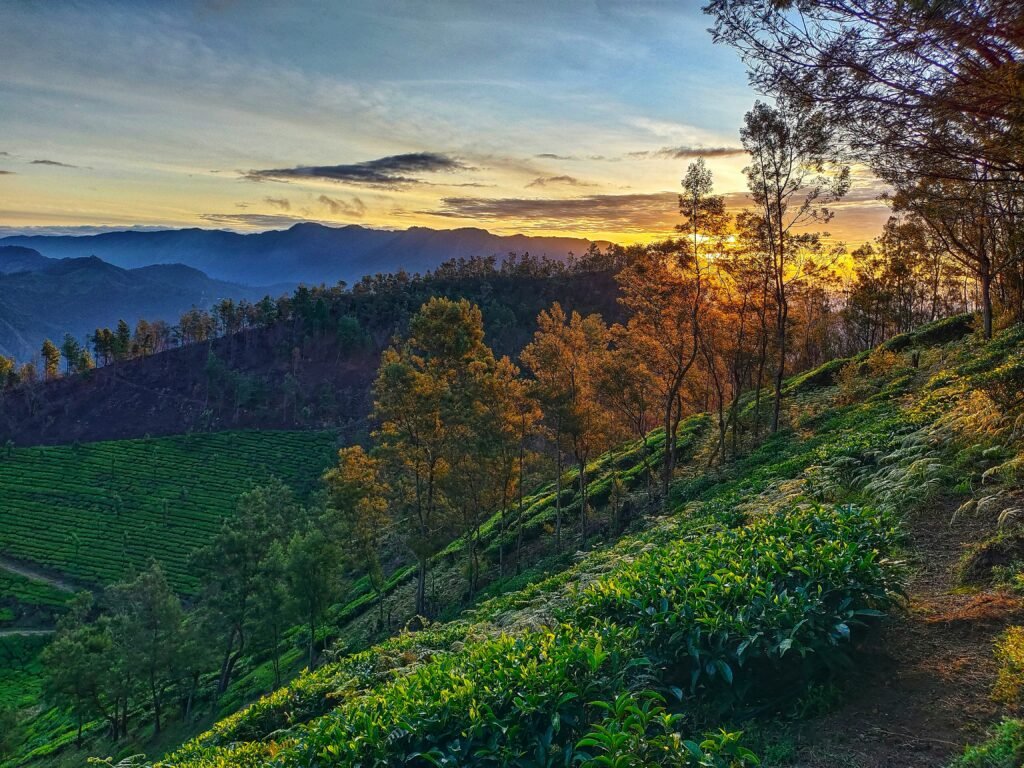
Walking through the rows of tea bushes in the early morning, ideally with a guide who can explain the plantation’s history, the tea plant’s ecology, and the daily life of the estate workers, is one of the most distinctive things to do in Munnar. Most plantation resorts and several independent operators offer guided estate walks of two to three hours. The experience is at its best between November and March, when the air is crisp and clear. Look for estates where you can also visit the processing factory to watch the withering, rolling, fermentation, and drying of the leaves
Drive to Top Station and Mattupetty
The Top Station road is the most scenic drive available from Munnar town, passing Mattupetty Dam and reservoir, the Indo-Swiss Livestock Project dairy farm, and Echo Point before reaching the Top Station viewpoint at the state border with Tamil Nadu. The full circuit takes about three to four hours by car and can be extended with a stop for boating at the Mattupetty or Kundala lakes. The views from Top Station on clear days extend across the Western Ghats and are among the best in Kerala.
Take a jeep safari to Chinnar Wildlife Sanctuary
Chinnar Wildlife Sanctuary, about 60 kilometres from Munnar, is a significantly less-visited wildlife destination with a different ecological character from Eravikulam: dry, thorny scrub forest in the rain-shadow of the Ghats. It is home to the Grizzled Giant Squirrel, found nowhere else in Kerala, as well as Indian star tortoises, mugger crocodiles, leopards, and wild elephants. The river trekking programme through the Chinnar River, where you wade through the shallow river with a forest guide, is one of the most adventurous and memorable wildlife activities available in the Munnar region.
Visit a Cardamom and Spice Plantation
The hills around Munnar are among India’s most important growing regions for cardamom, and several spice plantation visits are available in and around the town of Spices Village and the Cardamom Hills. Guided walks through cardamom, pepper, cinnamon, and nutmeg gardens explain the cultivation and harvesting process and typically include a tasting session and the opportunity to buy freshly processed spices directly from the farm.
Visit the Tea Museum
The Tea Museum near Munnar town houses original plantation machinery, photographs, and artefacts from the British planter era, providing a well-organised account of how tea cultivation transformed the landscape and economy of the Munnar hills from the late 19th century onward. The museum is managed by the Tata Tea Group, whose predecessor company established many of the original estates. It is an accessible and genuinely informative stop, particularly for those interested in the history behind the landscape they are walking through.
Explore the Attukal and Lakkam Waterfalls
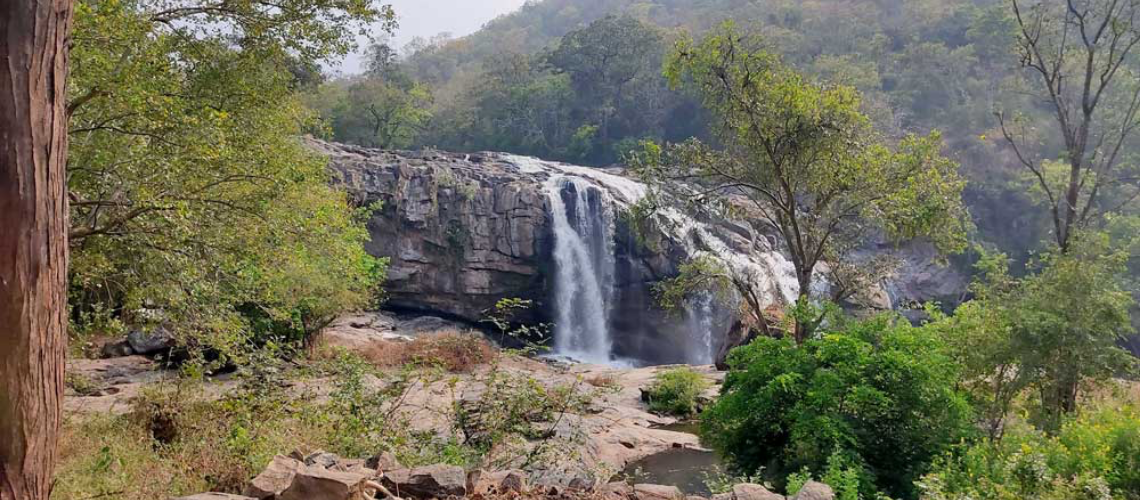
Several waterfalls in the hills around Munnar make for pleasant short excursions. Attukal Waterfalls, about 9 kilometres from the town on the Munnar to Pallivasal road, is one of the most accessible. Lakkam Waterfalls in the Eravikulam area is another popular spot, with a short walk through the forest to the falls. Both are significantly more impressive during and immediately after the monsoon when the water volume is at its highest.
Attend a Kalaripayattu or Cultural Performance
Several resorts and cultural centres in Munnar offer evening Kalaripayattu demonstrations that introduce visitors to Kerala’s ancient martial art in a comfortable, accessible setting. These performances are a good complement to any cultural programming you might be planning for Kochi or Kannur and are worth attending if you have not yet experienced the art form. Our guide to cultural experiences in Kerala provides a deeper context.
Trek to Meesapulimala
Meesapulimala, at 2,640 metres, the second-highest peak in South India, is one of the most popular trekking destinations in the Western Ghats. The trail begins at Rhodo Valley, about 45 kilometres from Munnar, and passes through shola forests, grasslands, and a landscape that flowers spectacularly in season. The trek takes two days with an overnight camp on the mountain and requires a permit from the Forest Department. It is best attempted between November and January for the clearest weather.
Shop in Munnar Bazaar
The main bazaar in Munnar town is the best place to buy freshly packaged cardamom, black pepper, cardamom tea, cinnamon, and other spices from the surrounding estates at reasonable prices. Quality is generally very good. Several small shops also sell locally produced honey, including the prized Nilgiri honey from the honeybee colonies maintained in the forest reserves.
Practical tips for Munnar
Getting there: Munnar is approximately four hours by road from Kochi (around 130 kilometres). The drive passes through the Athirappilly waterfalls junction, making a stop en route possible.
Best time to go: October to March for clear skies and comfortable temperatures. September and October for lush, post-monsoon greenery and full waterfalls. February to April sees Eravikulam National Park close for calving season.
Plan your Munnar Experience with Immersive Trips
At Immersive Trips, we connect travellers to Munnar beyond the main tourist circuit: the right plantation stays, the most rewarding wildlife experiences, and the kind of local guidance that makes a hill station visit genuinely memorable. Get in touch with our team or browse our Kerala tour packages.
Frequently Asked Questions About Things To Do in Munnar
What is the single best experience in Munnar?
The pre-dawn jeep trip to Kolukkumalai for the sunrise above the clouds is the experience most consistently cited by travellers as the highlight of a visit to Munnar. The combination of the drive, the altitude, the sea of clouds, and the region’s oldest tea factory makes it genuinely extraordinary. It requires booking a jeep in Munnar town the previous evening and departing around 4 am.
Is Eravikulam National Park suitable for children?
Yes. The park’s shuttle bus system makes access easy for all ages, the walking within the park is gentle, and the Nilgiri tahr are accustomed to human presence and approachable. It is one of the most wildlife-accessible national parks in India and is a great family experience.
Can I trek independently in the Munnar hills?
Independent trekking in protected forest areas around Munnar requires Forest Department permits. The Eravikulam National Park has designated trails and requires guided access for the more remote sections. For Meesapulimala and other significant treks, a registered guide and advance permit booking are compulsory. Most resort operators and local travel agents in Munnar can arrange this.
What is the best way to see the tea estates?
A guided morning walk through a working estate, arranged through your accommodation or a local operator, is more rewarding than driving past them. The walk gives you access to the plantation and factory interiors, and a conversation with an estate guide who can explain the full process from leaf to cup.
Are there activities for adventure travellers in Munnar?
Yes. Meesapulimala trekking, river trekking in Chinnar Wildlife Sanctuary, mountain biking on the hill roads, rock climbing at select sites, and paragliding in Vagamon (about 50 kilometres from Munnar) are all options for adventure-focused travellers.
What waterfalls are worth visiting near Munnar?
Attukal Waterfalls (9 kilometres from town) is the most accessible. Lakkam Waterfalls in the Eravikulam area are a pleasant short walk away. Cheeyapara and Valara Waterfalls, about 55 kilometres from Munnar on the Kochi road, are worth stopping at en route. All are significantly more impressive during and after the monsoon.
Is the Tea Museum worth visiting?
Yes, particularly for first-time visitors to a tea-growing region. The original machinery, period photographs, and accounts of the British planter era give useful historical context to the landscape surrounding Munnar. The visit takes about 45 to 60 minutes. A guided factory tour at a working estate is a complementary experience that shows the current production process.
Can I see elephants near Munnar?
Wild Asian elephants are present in the forests of Eravikulam National Park and the surrounding hills, though sightings are not guaranteed. Chinnar Wildlife Sanctuary, about 60 kilometres from Munnar, offers better chances of elephant encounters. The elephant population in the Cardamom Hills is significant, and elephant crossings on the roads between Munnar and Thekkady are a possibility.
What should I do on a rainy day in Munnar?
The Tea Museum, a tea factory tour, and a spice plantation visit are all enjoyable in wet weather. The mist and rain transform the appearance of the tea estates and can make for dramatic atmospheric photography. The Munnar bazaar is also worth exploring on foot, and a warm cardamom tea in a small tea stall while watching the rain over the hills is a genuinely pleasant Munnar experience.
Is it worth hiring a car and driver for a Munnar stay?
Yes, strongly recommended. The distances between attractions in Munnar are significant, and the winding hill roads can make self-driving tiring. A hired car with an experienced local driver gives you flexibility on timing, access to stops the standard tourist circuit misses, and the safety of someone who knows the roads well.