Sacred Temples of North Kerala: Rituals, Architecture & Living Traditions
When people plan a trip to Kerala, they often picture backwaters, houseboats, and tea plantations. But beyond those familiar scenes lies a quieter, deeper layer of the state — the temple culture of North Kerala.
This region, often referred to as the Malabar belt, holds some of the most fascinating sacred spaces in India. These temples are not just architectural monuments. They are living, breathing centres of ritual, storytelling, music, food traditions, and community life.
If you’re researching the Best Places to Visit in North Kerala, the temples of Kannur, Kasaragod, Kozhikode and the surrounding regions deserve a meaningful place in your journey. They offer something rare: continuity. Rituals here are not performed for visitors. They are practised because they have always been practised.
This blog explores the sacred temples of North Kerala — their architecture, unique customs, festivals, and how they can become part of a thoughtfully designed Kerala experience.
Why Temples Matter in North Kerala
North Kerala’s temples are distinct from the towering gopurams of Tamil Nadu or the marble sanctuaries of North India. Here, architecture follows climate and ecology.
These temples feel integrated into nature rather than imposed upon it. Visiting them becomes a cultural immersion rather than a sightseeing stop.
For travellers building a Kerala itinerary 7 days, combining temple experiences with beaches, hills, and cuisine creates a balanced and meaningful route.
Parassinikkadavu Muthappan Temple
A Temple Without Barriers
What is special about Parassinikkadavu Muthappan Temple?
Parassinikkadavu Muthappan Temple in Kannur is unique because devotees eat in the presence of the deity, ritual Theyyam performances are central to worship, and caste-based entry restrictions are historically less rigid compared to many traditional temples. It represents Malabar’s inclusive spiritual ethos.
Why it matters:
This temple represents the inclusive spiritual ethos of Malabar. It is often considered one of the best tourist places in North Kerala for travellers seeking authentic cultural experiences.
Rajarajeshwara Temple - The Spiritual Anchor of Malabar
Why is Rajarajeshwara Temple significant?
Rajarajeshwara Temple in Taliparamba is one of North Kerala’s most revered Shiva temples, known for strict ritual discipline, copper-plated roofing, and classical Kerala-style architecture. It is considered a spiritual anchor of the Malabar region and maintains centuries-old worship protocols.
Located in Taliparamba, this ancient Shiva temple is among the most revered sacred sites in North Kerala.
The architecture is subtle yet powerful:
The temple follows strict ritual discipline, and photography inside is not permitted — preserving its sanctity.
For those planning a Kerala trip package focused on culture and spirituality, Rajarajeshwara Temple forms a significant stop.
Ananthapura Lake Temple
The Temple in the Middle of a Lake
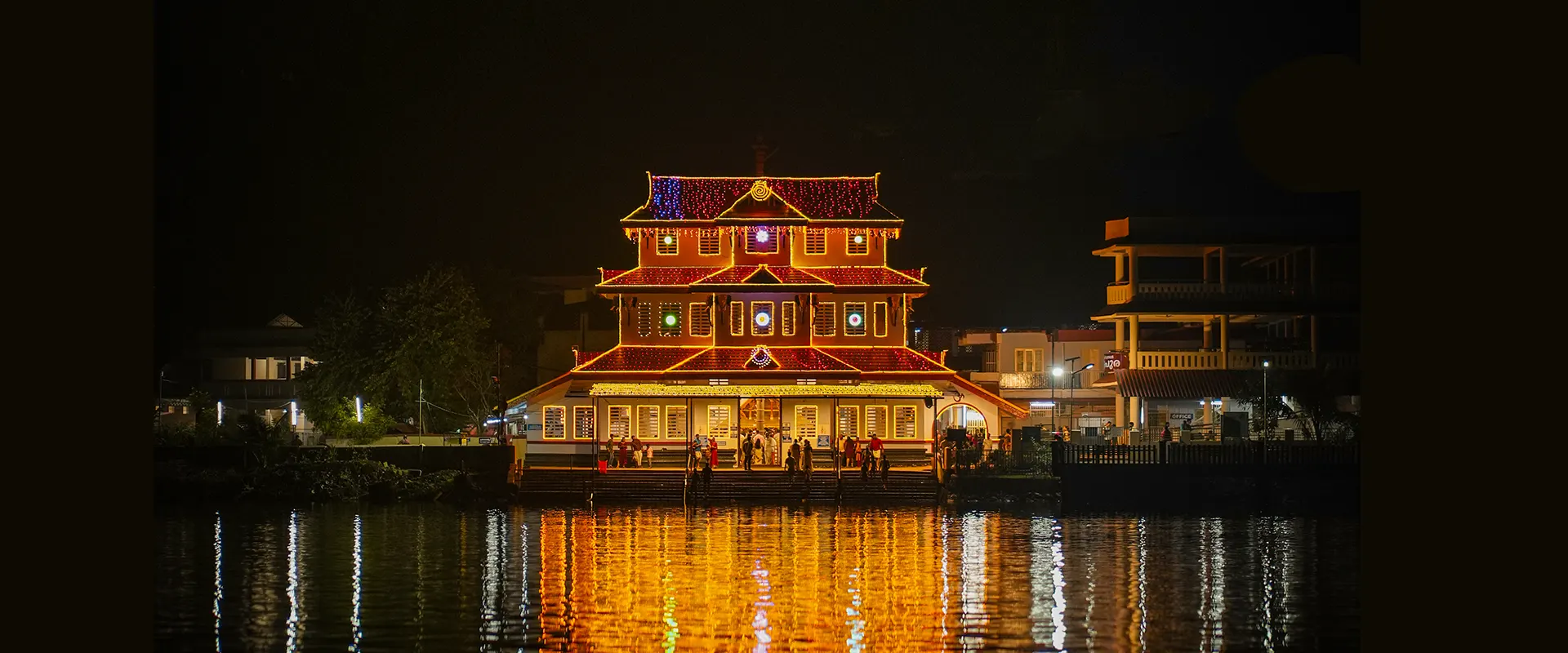
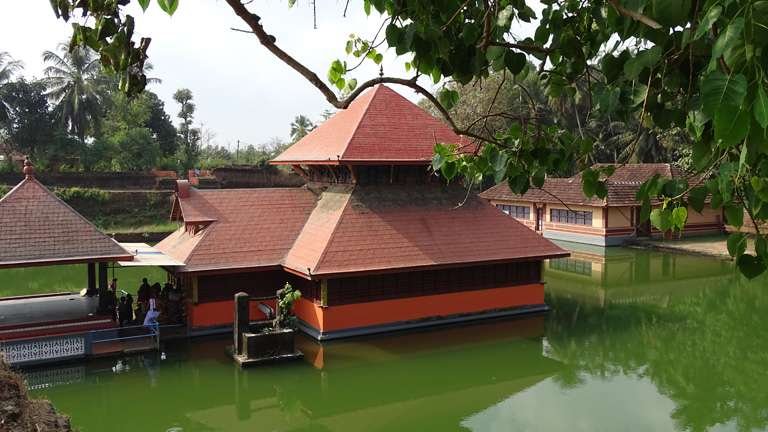
Ananthapura Lake Temple in Kasaragod is Kerala’s only lake temple. Surrounded by water on all sides, it appears almost suspended in stillness.
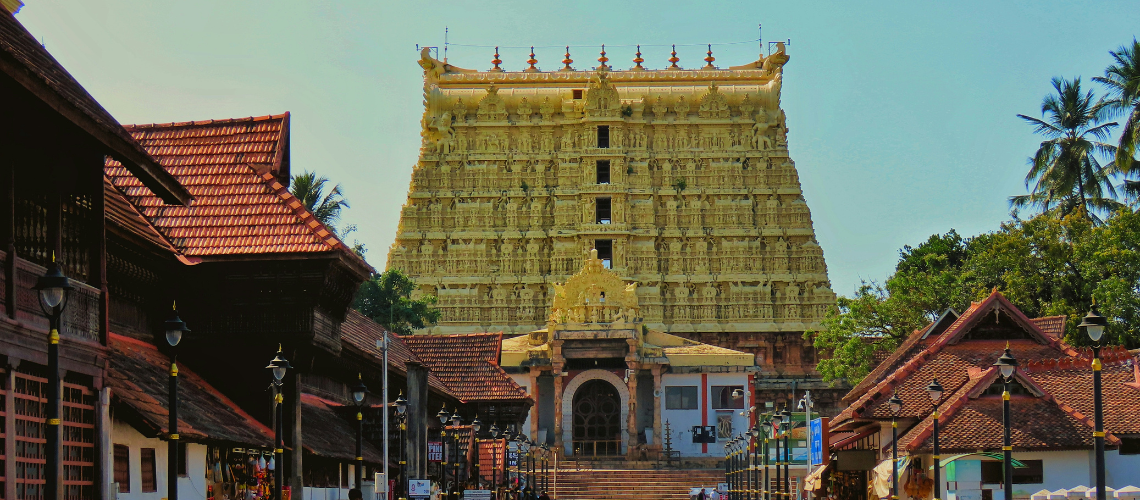
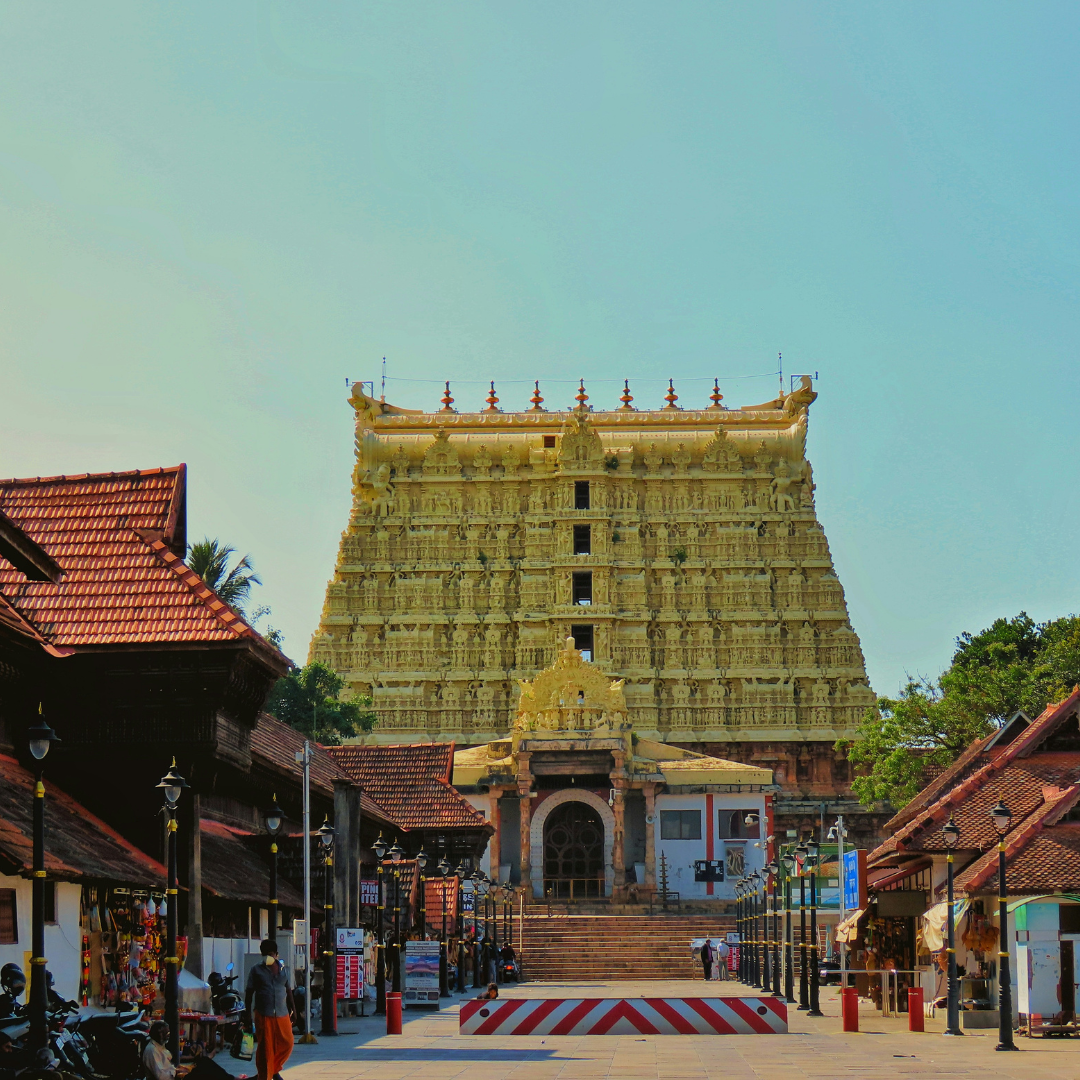
The temple is believed to be the original seat (moolasthanam) of the deity later enshrined at Padmanabhaswamy Temple in Thiruvananthapuram.
Its setting alone makes it one of the most photogenic sacred spaces in the region. For travellers exploring the Best Places to Visit in North Kerala, this temple adds both mystique and serenity.
What makes Ananthapura Lake Temple unique?
Ananthapura Lake Temple in Kasaragod is Kerala’s only lake temple, surrounded entirely by water. It is believed to be the original seat of the deity later enshrined at Padmanabhaswamy Temple, making it spiritually significant and visually serene.
Ideal for:
Theyyam: Where Gods Walk Among People
What is Theyyam in North Kerala?
Theyyam is a ritual performance tradition in North Kerala where performers embody deities and ancestral spirits through elaborate costumes, dance, and sacred storytelling. Practiced mainly between October and May, Theyyam is considered a direct manifestation of divine presence rather than theatrical performance.
Why it enhances a trip to Kerala:
Theyyam is not simply a performance. It is a ritual transformation. During festival seasons, elaborately costumed performers embody deities and ancestral spirits.
Temples in Kannur and Kasaragod host these ceremonies between October and May.
Visitors witnessing Theyyam often describe it as intense, emotional, and unforgettable.
Including Theyyam in a trip to Kerala transforms a standard holiday into a cultural encounter.
Temple Architecture of North Kerala
What defines North Kerala temple architecture?
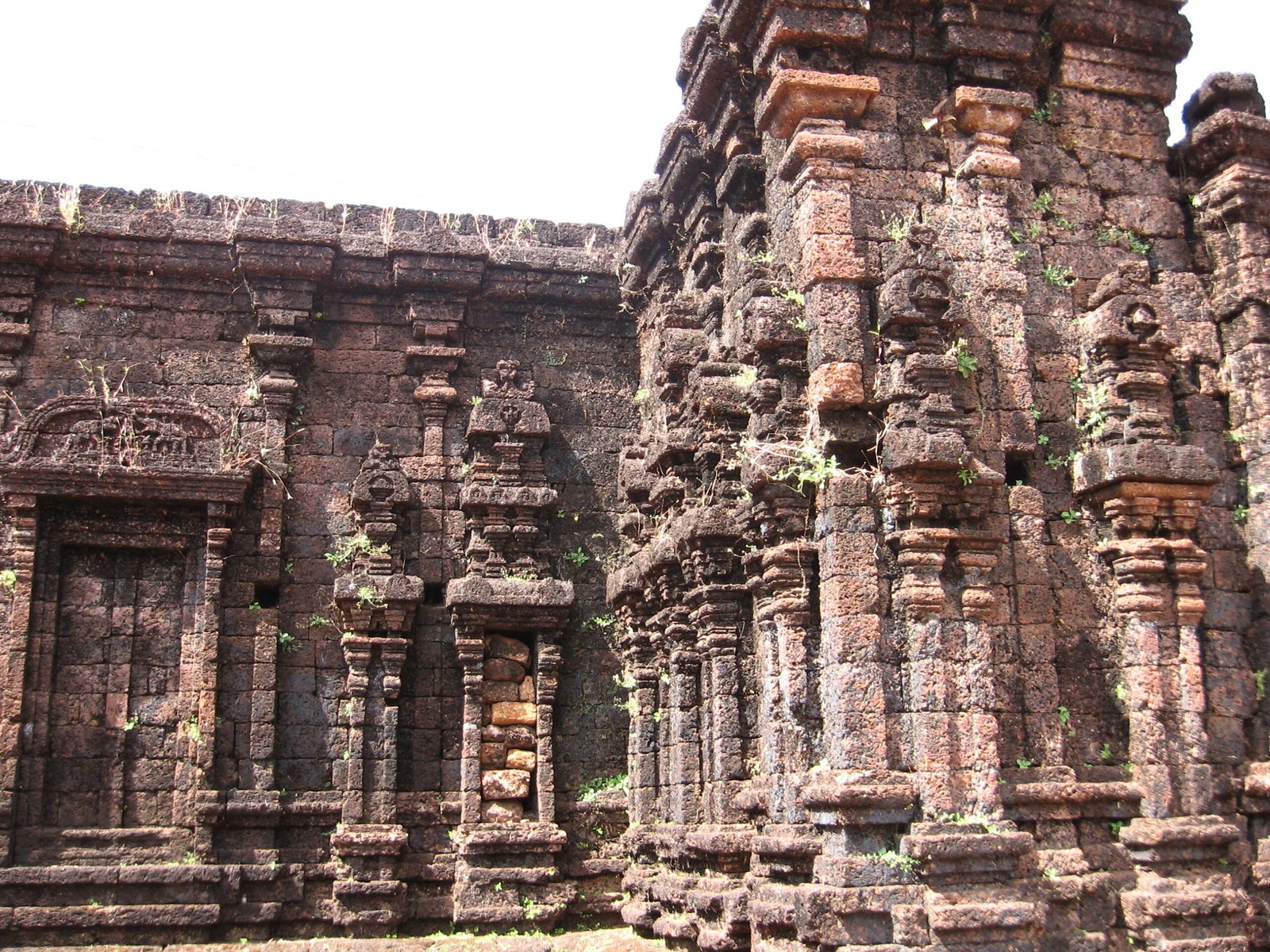
North Kerala temple architecture is characterized by circular sanctums (Sreekovil), sloping tiled roofs for monsoon protection, extensive wooden carvings, laterite stone construction, temple ponds, and sacred groves. The design prioritizes climate harmony and ecological balance over monumental scale.
Key architectural elements:
This makes the region ideal for those designing a Kerala itinerary 7 days focused on heritage.
Lesser-Known Sacred Spaces Worth Visiting
Beyond the prominent temples, North Kerala hides several quieter spiritual sites.
Trikkaripur Mahadeva Temple
One of the oldest Shiva temples in the region, associated with deep-rooted legends.
Madayipara Temple Complex
Situated atop a laterite plateau, offering expansive views and a unique temple landscape.
Exploring such sites elevates your journey beyond mainstream circuits and positions North Kerala among the best tourist places in North Kerala for heritage seekers.
Temple Festivals of North Kerala
Temple festivals here are vibrant yet grounded.
Unlike commercial festivals elsewhere, these events remain community-driven.
Planning your travel dates around temple festivals can enhance your Kerala trip package significantly.
Combining Temples with Nature & Coastline
One of North Kerala’s strengths is proximity.
Within a short driving distance, you can experience:
This diversity makes it easy to build a flexible Kerala itinerary 7 days without long travel hours.
Suggested flow:
Such a route balances spirituality, relaxation, and scenic beauty.
Who Should Explore Temple Trails in North Kerala?
Temple travel in North Kerala is ideal for:
It may not suit those seeking nightlife or fast-paced itineraries.
Experiencing North Kerala’s Temple Culture the Immersive Way
Temple travel in North Kerala is not about rushing through sacred spaces with a checklist. It requires time, context, and sensitivity. Rituals here unfold slowly. Festivals follow lunar calendars. Architecture carries symbolism that isn’t immediately obvious.
This is where thoughtful travel design matters.
At Immersive Trips, we approach cultural journeys differently. Rather than offering templated itineraries, we curate experiences that allow travellers to engage deeply with a destination. When designing a trip to Kerala, especially one focused on North Kerala temples, the goal is not simply to visit — but to understand.
A well-crafted temple trail includes:
Many travellers searching for the best Kerala tour packages often receive itineraries that focus only on backwaters and tea gardens. North Kerala’s sacred spaces require a more nuanced approach.
Immersive Trips specialises in customized tour packages in India, which allow temple experiences to be woven seamlessly into a broader cultural journey. Whether it’s a Kerala itinerary of 7 days or a longer exploration of Malabar traditions, the focus remains on depth rather than speed.
Designing a Balanced Kerala Itinerary with Immersive Trips
When integrating temple visits into a Kerala trip package, balance becomes essential.
For example:
This rhythm prevents cultural fatigue while preserving spiritual significance.
As one of the emerging experiential travel brands working with travellers from across India, including those seeking the Best Places to Visit in North Kerala, Immersive Trips focuses on:
North Kerala tourism rewards those who slow down. Our itineraries are built around that principle.
Why Immersive Travel Works for North Kerala
North Kerala temples are not grand monuments built for spectacle. They are community-centred spaces that follow centuries-old traditions.
A rushed bus tour cannot capture that.
A thoughtfully paced experience can.
For travellers evaluating the best tourist places in North Kerala, we encourage looking beyond geography and asking: How do I want to experience this region?
At Immersive Trips, every trip to Kerala is crafted with intention — whether it’s a temple trail, a cultural immersion, or a coastal retreat. We believe sacred spaces deserve quiet time, not hurried visits.
Final Thoughts: Culture, Continuity & Curated Journeys
The sacred temples of North Kerala represent continuity — architecture shaped by climate, rituals shaped by belief, and communities shaped by shared devotion.
They are among the Best Places to Visit in North Kerala not because they are flashy, but because they are authentic.
If you are planning a Kerala itinerary 7 days, or comparing best Kerala tour packages, consider including North Kerala’s temple heritage as the cultural heart of your journey.
With Immersive Trips, your Kerala trip package becomes more than a vacation. It becomes an exploration of living traditions, sacred spaces, and meaningful encounters.
Because in North Kerala, temples are not just destinations. They are experiences.
Frequently Asked Questions