
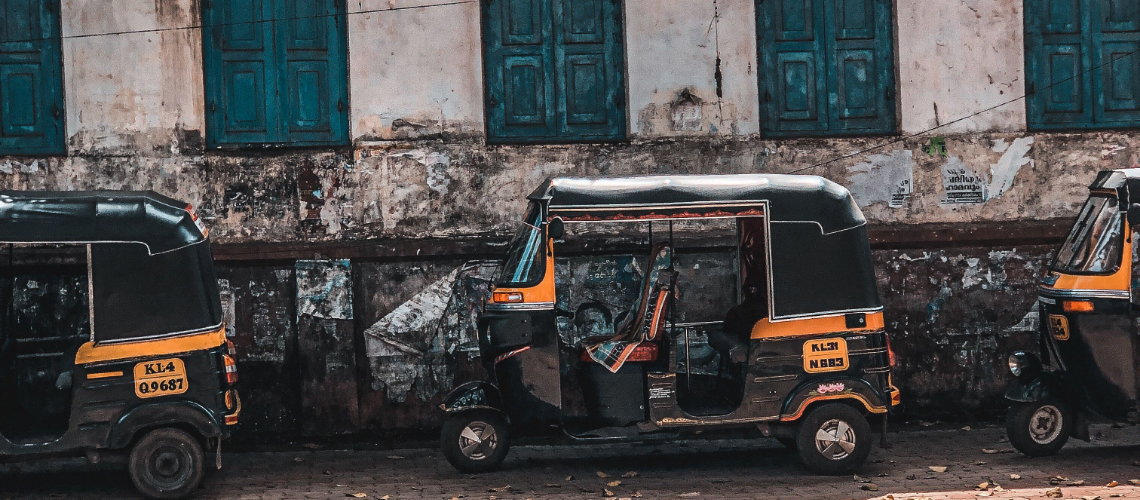
The places to visit in Kochi are spread across several distinct neighbourhoods, each carrying its own history and character. Fort Kochi is home to the colonial waterfront and the oldest European church in India. Mattancherry is home to a 16th-century synagogue, a royal palace with extraordinary mural paintings, and spice warehouses that have been in continuous use for centuries. Ernakulam offers the city’s commercial life and is a transport hub. And beyond the main island, Kumbalangi, Cherai, and Bolgatty extend the experience into backwater villages, beaches, and heritage palaces.
This guide covers all the significant places to visit, with honest guidance on what each one offers and how to make the most of your time. Pair it with our Kochi travel guide and things to do in Kochi for a complete picture of the city.

Places to visit in Kochi: Fort Kochi and Mattancherry
Chinese fishing nets (Cheena vala)
The Chinese fishing nets are Kochi’s defining landmark. These large cantilevered wooden structures, believed to have been introduced by traders from the court of Kublai Khan in the 14th century, are fixed along the Fort Kochi waterfront and are still used by local fishing families. Each net is operated by a team of fishermen who use counterweights of stones and wood to lower and raise the nets in a rhythmic sequence. The sight of the nets at sunset is genuinely spectacular. Fresh catch is sold immediately from the nets and can be grilled at adjacent stalls.
Best time to visit: Late afternoon, from around 5 pm for the sunset light.
St Francis Church
St Francis Church, first built in 1503 by Portuguese Franciscan friars, is the oldest European church in India still in use. Vasco da Gama, who opened the sea route between Europe and India, was buried here after his death in Kochi in 1524. His remains were returned to Portugal in 1538, but a tombstone marks the spot of his original burial. The church subsequently passed to Dutch and then British control, and its interior retains artefacts from all three periods, including an 18th-century Dutch baptismal register.
Entry: Free. Modest dress required.
Santa Cruz Basilica
Santa Cruz Basilica, a short walk from St Francis Church, was originally built by the Portuguese in 1505 and elevated to the status of a basilica in 1984. The current structure dates largely from 1902 and is notable for its bright white exterior and a beautiful interior with painted panels depicting biblical scenes. It is one of eight basilicas in Kerala and is in active use as a place of worship.
Mattancherry Palace (Dutch Palace)
The Mattancherry Palace was built by the Portuguese in 1555 and presented to the Raja of Kochi, Veera Kerala Varma, as a token of appreciation for trading rights granted to them on the Malabar coast. The Dutch renovated and expanded the building in 1663, giving it its common name. The palace is now a museum and houses one of the finest collections of Kerala mural painting in the state, with rooms depicting scenes from the Ramayana and Mahabharata in vivid pigments. The collection also includes royal coronation robes, palanquins, Dutch maps of Old Cochin, and royal portraits.
Entry: Nominal fee. Closed on Fridays.
Paradesi Synagogue and Jew Town
The Paradesi Synagogue, built in 1568 on land granted by the Kochi Raja to the Malabar Jewish community, is one of the oldest active synagogues in the Commonwealth. The interior is celebrated for its hand-painted Chinese floor tiles, each unique and brought from Canton in the 18th century, along with Belgian crystal chandeliers and ancient Torah scrolls. The surrounding Jew Town area retains the character of the former Jewish quarter, with narrow streets lined with antique shops, spice dealers, and Jewish heritage buildings.
Entry: Free. Closed Friday, Saturday, and Jewish holidays. No photography inside.
Kochi street art and heritage buildings
The lanes of Fort Kochi and Mattancherry have become a canvas for some of the most significant street art in India, much of it produced in connection with the Kochi-Muziris Biennale. The art coexists with 400-year-old colonial buildings, enhancing both, and walking through these lanes without a fixed itinerary is one of the most enjoyable ways to spend time in the city.

Places to visit in Kochi: beyond the peninsula
Kumbalangi ecotourism village
Kumbalangi, 15 kilometres from Kochi, is India’s first model ecotourism village. This backwater island in Ernakulam district offers an immersive experience of traditional fishing-village life: coir-making, crab farming, Chinese fishing-net operations, mangrove boat rides, and home-cooked seafood meals. Plastic is banned in the village, there are no resort hotels, and the experience is community-managed. Our offbeat places in Kerala guide covers Kumbalangi fully.
Hill Palace Museum
The Hill Palace Museum in Tripunithura (approximately 12 kilometres from Ernakulam) is the largest archaeological museum in Kerala and the former residential palace of the Cochin Royal Family. The 49-building complex, set in 52 acres of landscaped garden, houses royal thrones, weapons, bronze sculptures, manuscripts, and artefacts spanning several centuries of Kochiroyal history. The palace gives an excellent account of the region’s pre-colonial and colonial-era heritage that the Fort Kochi sights alone do not provide.
Entry: Nominal fee. Closed on Mondays.
Bolgatty Island and Palace
Bolgatty Palace, located on Bolgatty Island in the Vembanad Lake, was built in 1744 by the Dutch and is among the oldest Dutch palaces outside the Netherlands. The island is accessible by ferry from Ernakulam and offers a pleasant escape from the main city, with the palace (now a heritage hotel managed by KTDC) set in gardens overlooking the harbour. The ferry journey itself is part of the appeal.
Cherai Beach
Cherai Beach, approximately 30 kilometres from Fort Kochi and accessible by ferry to Vypin Island, followed by a short drive, is a long, relatively uncrowded beach with shallow water suitable for swimming. The southern end of the beach faces the backwaters, and the sight of fishing boats on the waterway with the Arabian Sea on the other side makes for an unusual and picturesque setting. It is a good choice for a relaxed half-day at the beach without travelling far from the city.
Kerala Folklore Museum
The Kerala Folklore Museum in Thevara, Ernakulam, is a privately established museum housing one of the largest collections of traditional Kerala artefacts in the state. Three floors of the building are organised to represent different periods and communities in Kerala’s cultural history, with a particularly strong collection of ritual objects, traditional dance costumes, musical instruments, and architectural woodwork salvaged from demolished homes and temples across Kerala.

Cultural venues worth noting
David Hall, Fort Kochi: A colonial-era building repurposed as a permanent arts and cultural centre, active between Biennale years with exhibitions, performances, and events.
Aspinwall House, Fort Kochi: A 19th-century trading-company complex that serves as one of the main Biennale venues and hosts a range of arts events year-round.
Kerala Kathakali Centre, Fort Kochi: One of the most reliable venues for Kathakali and Kalaripayattu performances, with daily evening shows and pre-performance demonstrations
Plan your Kochi visit with us
At Immersive Trips, we help travellers get the most out of Kochi by knowing where to spend their time and what to skip. Visit our Kerala tour packages or reach out to our team to start building your ideal Kerala itinerary.
Frequently asked questions about places to visit in Kochi
What are the must-visit places in Kochi for a first-time visitor?
The Chinese fishing nets at sunset, the walk through Fort Kochi and Mattancherry (including St Francis Church, Mattancherry Palace, and the Paradesi Synagogue), and an evening Kathakali performance cover the essential Kochi experience. Add a ferry ride and a walk through the spice market for a complete first-visit itinerary.
Is Mattancherry Palace worth visiting?
Yes, particularly for the Kerala mural paintings, which are among the finest examples of this largely unknown art tradition. The murals in the bedroom chambers depicting scenes from the Ramayana are extraordinary in their detail and colour. Allow at least an hour for a proper visit.
Can I visit the Paradesi Synagogue as a non-Jewish visitor?
Yes. The synagogue is open to visitors of all backgrounds during its opening hours (closed Friday, Saturday, and Jewish holidays). A modest dress is required, and shoes must be removed at the entrance. Photography is not permitted inside.
Is the Hill Palace Museum worth the journey from Fort Kochi?
Yes, for visitors with more than two days in Kochi. The museum is less visited than the Fort Kochi sights and offers a quieter, more considered experience of Kochi’s royal heritage. The 49-building complex set in gardens is itself impressive. Allow half a day for a proper visit
What is the Kochi-Muziris Biennale?
The Kochi-Muziris Biennale is one of Asia’s largest contemporary art exhibitions, held every two years in Fort Kochi and Mattancherry (typically December to March, in even years). The event uses heritage buildings and public spaces as venues and draws artists from across India and internationally. The venues are worth visiting between Biennale editions as well.
How do I get to Kumbalangi from Fort Kochi?
Kumbalangi is approximately 15 kilometres from Fort Kochi and can be reached by taxi or auto-rickshaw in about 30 to 45 minutes. A boat service from Kochi also connects to the village. It is best visited as a half-day or full-day guided experience rather than an independent walk-around, as the village’s attractions are accessed through community-organised activities.
Is Cherai Beach crowded?
Cherai is significantly less crowded than Kerala’s more famous beach destinations. The ferry journey from Fort Kochi to Vypin Island, followed by a short ride to the beach, keeps casual visitor numbers lower than beaches accessible directly by road. Weekends see more domestic visitors, but the beach remains manageable compared to Kovalam or Varkala.
What is special about the Kerala Folklore Museum?
The Kerala Folklore Museum is unusual in presenting Kerala’s cultural heritage through everyday objects and ritual artefacts rather than royal collections. The architectural elements salvaged from demolished traditional homes, including carved wooden doorways and ceiling panels, give a vivid sense of how pre-modern Kerala lived and worshipped. It is less well known than it deserves to be.
Are the Chinese fishing nets still used for real fishing?
Yes, though the volume of fish caught is small relative to the effort involved. The nets are maintained and operated by fishing families, and the catch, primarily small fish and prawns, is genuine. The nets are also a tourist attraction, and visitors can pay a small fee to the fishermen to watch the net operation.
What is the best way to see Kochi’s street art?
Walking without a fixed destination through the lanes of Mattancherry and Fort Kochi, particularly around the Jew Town area and the lanes leading from the Chinese fishing nets back towards Santa Cruz Basilica, is the most rewarding approach. Several guided street art walks are available, providing useful context for individual works.