
Most visitors to Rajasthan follow the well-worn circuit of Jaipur, Udaipur, Jodhpur, and Jaisalmer, and for good reason: these cities are extraordinary. But beyond the famous four lies a different Rajasthan, one of painted merchant havelis and abandoned villages, of leopards living among granite hills and stepwells hidden down quiet lanes, of tribal communities and monsoon-green valleys that most travellers never see. This guide to the best offbeat places in Rajasthan is for travellers who want to go beyond the standard itinerary and discover the raw, intimate, and unscripted heart of the desert state.
Looking for even more inspiration? Explore our offbeat places in Rajasthan guide for additional hidden destinations and immersive travel ideas before planning your journey.
For the classic destinations, see our places to visit in Rajasthan guide, and for full trip planning, our Rajasthan travel guide.
Why Explore Hidden Places in Rajasthan
Rajasthan’s famous cities are genuinely spectacular, but they are also busy, particularly during peak season. Step off the main circuit, and the state reveals a quieter, more intimate character: villages where traditional crafts continue, forts that see a fraction of the visitors they deserve, and landscapes that surprise travellers who imagine Rajasthan as nothing but desert. These offbeat destinations offer authentic cultural encounters, remarkable photography, and the increasingly rare pleasure of exploring extraordinary places without the crowds.
The best time to visit these offbeat destinations, as with the rest of Rajasthan, is October to March, when the weather is pleasant for village walks, fort exploration, and desert experiences. A dedicated offbeat itinerary of seven to eight days allows you to experience several of these hidden gems at a leisurely pace.
Bundi: Stepwells and Painted palaces
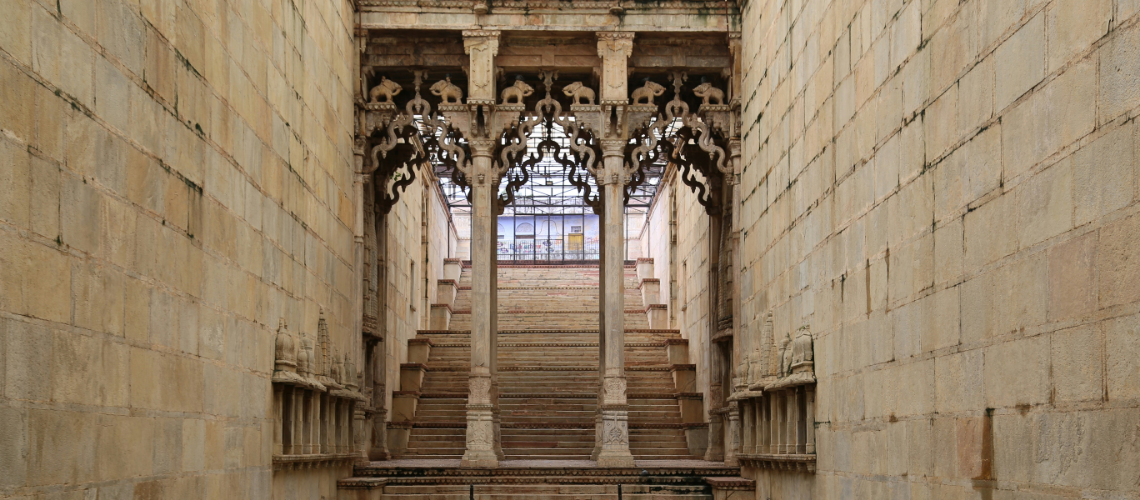
Bundi, near Kota in south-eastern Rajasthan, is one of the most rewarding offbeat destinations in the state. This small town, surrounded by orchards and cradled in the Aravalli hills, is famous for its ornate stepwells (baoris), its atmospheric palace covered in some of the best-preserved Rajput murals in Rajasthan, and its relaxed, un-touristed charm. The Raniji Ki Baori, a 46-metre-deep stepwell with arches and carved pillars, is a masterpiece, and Taragarh Fort on the hill above offers panoramic views over the blue-tinted old town. Bundi doesn’t try hard to impress, which is precisely why travellers fall for its narrow lanes, blue houses, and quiet, medieval atmosphere.
Shekhawati and Mandawa: The Open-Air Art Gallery
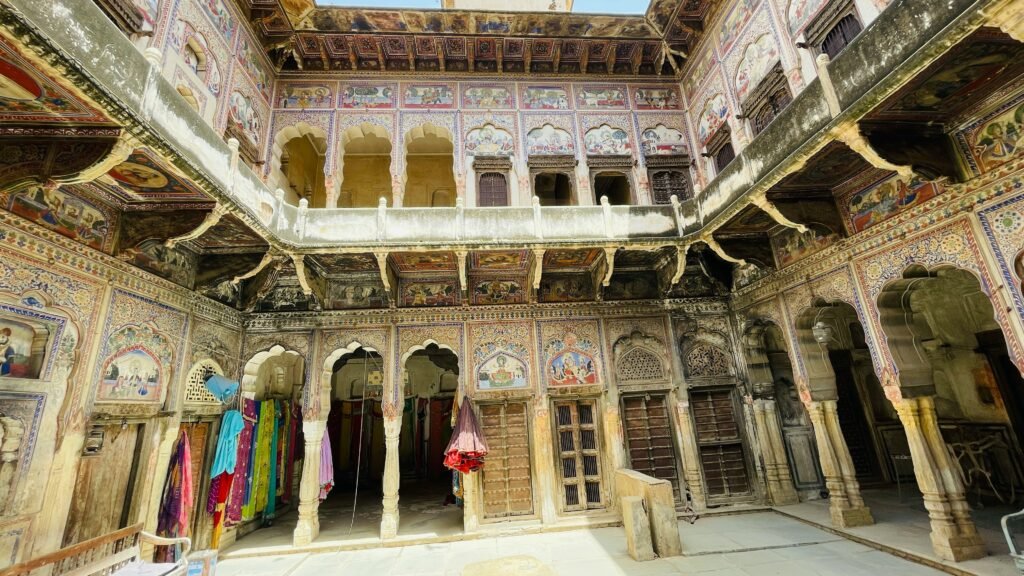
The Shekhawati region, in northern Rajasthan, is often called the largest open-air art gallery in the world, thanks to its extraordinary concentration of painted havelis. Mandawa, the region’s most accessible town (about 168 kilometres from Jaipur), was an important stop on the ancient Silk Route, and the wealthy merchants who prospered here built richly decorated mansions covered in frescoes depicting mythology, royal processions, folk tales, and even early European and colonial influences. Havelis such as the Murmuria Haveli and Chokhani Double Haveli still showcase remarkably detailed artwork. Exploring Shekhawati on foot, ideally early in the morning when the frescoes glow in the soft light, is one of the most immersive heritage experiences in Rajasthan. Other Shekhawati towns such as Nawalgarh, Fatehpur, and Churu are equally rewarding and even less visited.
Kumbhalgarh: The Great Wall of India
Kumbhalgarh Fort, in the Aravalli hills about 85 kilometres from Udaipur, is one of Rajasthan’s most impressive yet underappreciated sites. Built in the 15th century by Rana Kumbha, it is encircled by a wall stretching approximately 36 kilometres, the second-longest continuous wall in the world after the Great Wall of China, earning it the nickname the “Great Wall of India.” The birthplace of the legendary Mewar king Maharana Pratap and a UNESCO World Heritage Site, the fort contains seven imposing gates, over 360 temples, and palaces, including the Badal Mahal. The surrounding Kumbhalgarh Wildlife Sanctuary offers Aravalli trekking routes and the chance to spot leopards, sloth bears, and chinkara. The quiet villages nearby, such as Ghanerao, Kelwara, and Sadri, add to the offbeat appeal.
Jawai: Leopards Among the Hills
Jawai, between Udaipur and Jodhpur, is one of Rajasthan’s most remarkable and least expected experiences: a landscape of granite hills and riverbeds where wild leopards live in close, peaceful proximity to local communities. Unlike commercial safaris elsewhere, Jawai offers an intimate, raw wildlife experience, with leopard sightings often occurring without the convoy of vehicles found in more famous reserves. Luxury camps and eco-lodges in the area offer sunrise and sunset leopard safaris, making Jawai a genuine highlight for wildlife lovers seeking something beyond the standard tiger safari. Our wildlife tours in Rajasthan guide covers Jawai and the state’s other reserves.
Kuldhara: The Abandoned Village
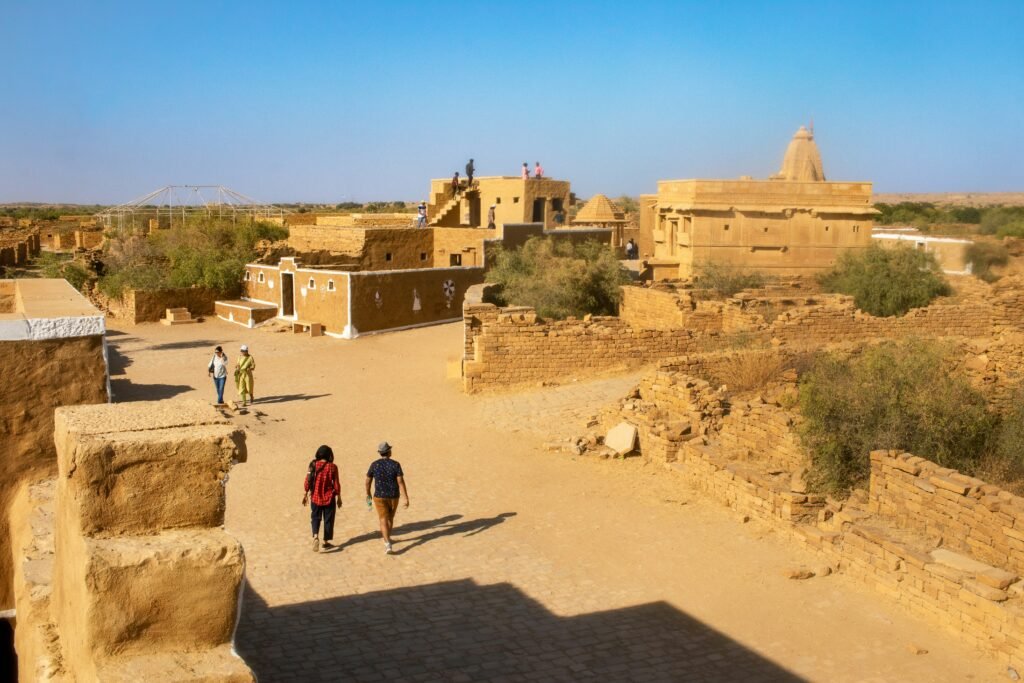
Kuldhara, near Jaisalmer, is one of Rajasthan’s most atmospheric and mysterious places: an abandoned village frozen in time. Once inhabited by the Paliwal Brahmin community, the village was, according to legend, deserted overnight in the 19th century under mysterious circumstances, and it has stood empty ever since. Walking through its ruined sandstone homes and streets, with their eerie silence and ghostly folklore, is both haunting and fascinating, offering a unique window into the past and one of Rajasthan’s most unusual experiences. It is easily combined with a Jaisalmer desert itinerary.
Bishnoi Village: Eco-Conscious Rural Life
A short drive from Jodhpur, the Bishnoi villages offer a moving encounter with a community renowned across India for its devotion to protecting nature and wildlife. A Bishnoi village safari introduces travellers to the community’s traditional lifestyle, its 29 principles centred on environmental protection, its handicrafts, and authentic home-cooked Rajasthani food. It is one of the most genuine eco-tourism and cultural experiences in Rajasthan, and a peaceful, humbling contrast to the grandeur of the forts and palaces. Our Rajasthan village experiences guide covers these encounters in detail.
Osian and Khimsar: Quiet Desert Alternatives
For travellers who want the desert experience without the crowds of the Sam Sand Dunes, Osian (about 65 kilometres from Jodhpur) offers golden dunes, overnight desert camps, sunset camel rides, and ancient temples, combining history and desert adventure in one destination. Khimsar, with its dunes and heritage fort, offers a similarly quiet desert experience, with evenings of Manganiyar folk music and traditional meals in nearby Bishnoi villages. Both are excellent alternatives for those seeking a more serene Thar Desert experience.
Ranakpur: A Marble Masterpiece
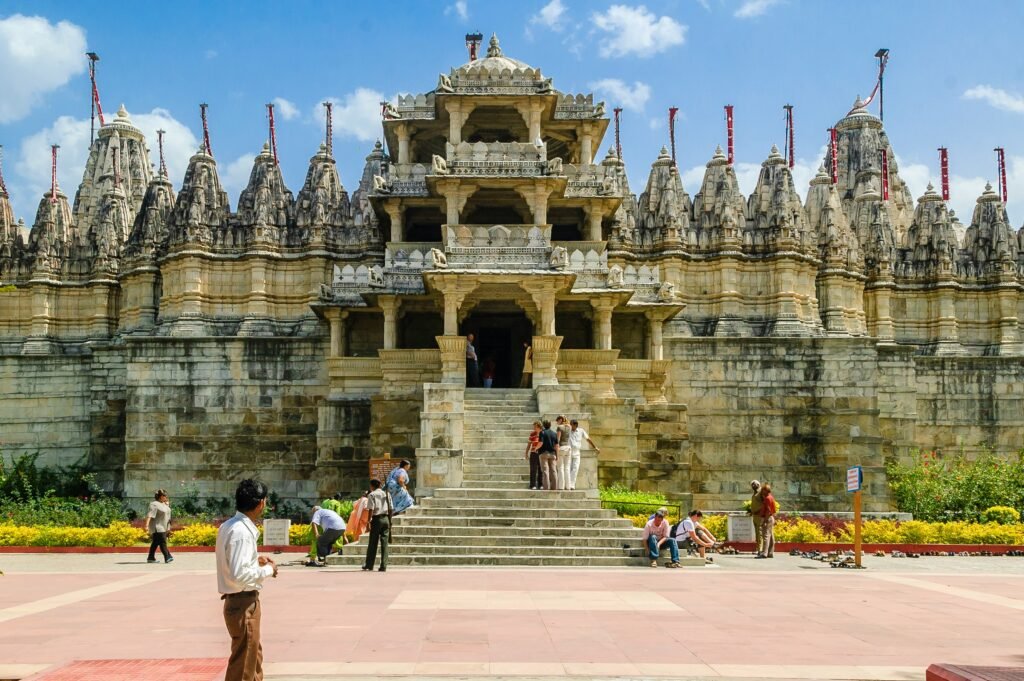
The Ranakpur Jain Temple, in a valley between Udaipur and Jodhpur, is one of the most breathtaking temples in India, a 15th-century marble masterpiece supported by 1,444 uniquely carved pillars, no two alike. Its intricate carvings and serene setting make it one of the finest examples of temple architecture in the country, and its position along the Udaipur-to-Jodhpur route makes it an easy and worthwhile addition to a Rajasthan itinerary.
Other Offbeat Places in Rajasthan
Chittorgarh, one of the largest forts in India and a UNESCO World Heritage Site, is steeped in Rajput history and legends of valour. Bikaner offers magnificent havelis, the Junagarh Fort, and the unusual Karni Mata (rat) Temple. Sambhar Salt Lake, India’s largest inland salt lake, about 80 kilometres from Jaipur, offers surreal white landscapes and flamingos in winter. Jhalawar, greener than most of Rajasthan thanks to strong monsoon rainfall, surprises first-time visitors with its temples, forts, and rock-cut caves. Abhaneri, near Jaipur, is home to the Chand Baori, one of the deepest and most spectacular stepwells in India.
Plan your Offbeat Rajasthan Journey with Immersive Trips
At Immersive Trips, we love discovering Rajasthan beyond the standard circuit. We know the painted havelis, the leopard hills, the abandoned villages, and the eco-conscious communities that make offbeat Rajasthan so rewarding, and how to weave them into a coherent, immersive itinerary. Get in touch with our team to explore the Rajasthan that most travellers never see.
Frequently asked questions about offbeat places in Rajasthan
What are the best offbeat places to visit in Rajasthan?
The best offbeat destinations include Bundi (for stepwells and murals), the Shekhawati region and Mandawa (for painted havelis), Kumbhalgarh (for its massive fort walls), Jawai (for leopard safaris), Kuldhara (the abandoned village), the Bishnoi villages (for eco-conscious rural life), and Ranakpur (for its marble Jain temple).
How many days do I need to explore offbeat Rajasthan?
You can cover a few offbeat places in three to four days, but to truly experience Rajasthan’s hidden gems, a seven- to eight-day itinerary is recommended. This allows you to visit multiple towns, forts, and rural areas at a leisurely pace, ideally combined with one or two of the famous cities.
Is it safe to visit lesser-known places in Rajasthan?
Yes. Rajasthan is generally safe for travellers, including solo travellers, and its offbeat destinations are no exception. Staying in reputable accommodation, using trusted local transport, and dressing modestly are sensible precautions. Working with a knowledgeable local operator adds an extra layer of ease and safety when visiting more remote areas.
What is special about Jawai?
Jawai is famous for its wild leopards, which live in remarkable harmony with local communities among the granite hills and riverbeds. Unlike commercial safaris, Jawai offers an intimate, raw wildlife experience, with sightings often occurring without the crowds of vehicles seen at more famous reserves. It is one of the best places in India to see leopards.
Why is Kuldhara called a ghost village?
Kuldhara, near Jaisalmer, was once inhabited by the Paliwal Brahmin community but, according to legend, was abandoned overnight in the 19th century under mysterious circumstances. It has stood empty ever since, and its ruined sandstone homes, eerie silence, and ghostly folklore have earned it a reputation as Rajasthan’s most famous ghost village.
What is the Shekhawati region known for?
The Shekhawati region in northern Rajasthan is known as the largest open-air art gallery in the world, thanks to its extraordinary concentration of painted havelis. These merchant mansions, built in the 18th and 19th centuries, are covered in frescoes depicting mythology, folk tales, royal processions, and colonial-era influences. Mandawa is the most accessible base for exploring them.
Is Kumbhalgarh worth visiting?
Absolutely. Kumbhalgarh is encircled by a wall stretching approximately 36 kilometres, the second-longest continuous wall in the world after the Great Wall of China. A UNESCO World Heritage Site and the birthplace of Maharana Pratap, it is one of Rajasthan’s most impressive forts, yet far less crowded than the famous city forts. The surrounding wildlife sanctuary adds trekking and leopard-spotting opportunities.
Can I experience the desert without the crowds of Jaisalmer?
Yes. Osian (near Jodhpur) and Khimsar offer quieter desert experiences with golden dunes, overnight camps, sunset camel rides, and folk music, without the crowds of the Sam Sand Dunes near Jaisalmer. Both are excellent alternatives for travellers seeking a more serene Thar Desert experience.
What is a Bishnoi village safari?
A Bishnoi village safari, near Jodhpur, introduces travellers to the Bishnoi community, renowned across India for their devotion to protecting nature and wildlife. The experience includes learning about their traditional lifestyle and environmental principles, seeing their handicrafts, and eating authentic home-cooked Rajasthani food. It is one of the most genuine eco-tourism and cultural experiences in the state.
When is the best time to visit offbeat Rajasthan?
October to March offers the most comfortable weather for exploring Rajasthan’s offbeat destinations, with pleasant conditions for village walks, fort exploration, and desert experiences. During the monsoon (July to September), greener destinations such as Bundi and Jhalawar are particularly beautiful. The summer months (April to June) are best avoided due to extreme heat.