
Kerala is one of the most well-suited destinations in India for families travelling together. The state is safe, clean, well-connected, and varied enough to offer something genuinely engaging for every age group: wildlife and hill stations for children, backwater cruises and cultural performances for adults, Ayurvedic wellness and gentle coastal stays for grandparents. Planning the right family tour package in Kerala, however, requires more than simply booking flights and hotels. The route you choose, the pace you set, and the type of accommodation you select will determine whether the trip feels relaxed and memorable or rushed and exhausting. This guide covers the best routes, practical tips, and key considerations for getting a family holiday in Kerala right.
If you are still in the early stages of planning, our Kerala travel guide covers the full picture of what the state offers, and our overview of the best time to visit Kerala will help you choose the right travel window for your group.
Why family tour packages in Kerala work well for all ages
Kerala’s geography means that a well-planned route naturally passes through diverse landscapes and experiences: a city rich in history and culture, hill stations with cool air and wildlife, forest reserves with guided safaris, and backwater regions with houseboat stays and fishing village walks. This variety means that a single trip can hold the attention of a six-year-old and a sixty-six-year-old simultaneously, which is not something every destination can claim.
The state also has consistently good road infrastructure along its main tourist corridors, a wide range of accommodation that caters specifically to families with children and elderly members, and a food culture built around fresh, naturally flavoured dishes that most palates across generations find agreeable. Kerala regularly ranks among India’s safest states for tourists, and the general culture of hospitality naturally extends to family groups.

The classic Kerala family route: 7 nights and 8 days
The most popular and practical structure for family tour packages in Kerala covers four key destinations, each offering a distinct experience, connected by manageable road journeys.
Day 1 and 2: Kochi
Most families arrive at Cochin International Airport, making Kochi the natural starting point. Two days here allows the family to settle in, explore Fort Kochi’s colonial waterfront, watch the Chinese fishing nets in operation, and attend a Kathakali or Kalaripayattu performance in the evening. Fort Kochi is walkable, unhurried, and genuinely interesting for children and adults alike. The best things to do in Kerala includes a fuller breakdown of Kochi’s highlights.
Day 3 and 4: Munnar
The drive from Kochi to Munnar takes approximately four hours and passes through progressively greener and more dramatic hill scenery. Munnar, at around 1,600 metres above sea level, offers cool air, tea plantation walks, the Mattupetty Dam and reservoir, and the Eravikulam National Park, home to the Nilgiri tahr. The Tea Museum near Munnar town is a well-organised and accessible attraction that explains the history of tea cultivation in the region and is suitable for children and adults alike. Accommodation in Munnar with garden or plantation views makes the mornings particularly rewarding.
Day 5: Thekkady
The drive from Munnar to Thekkady (Kumily) takes around three hours through the Cardamom Hills. Thekkady is the base for Periyar Wildlife Sanctuary, one of India’s most accessible and family-friendly tiger reserves. The Periyar Lake boat cruise allows families to spot wild elephants, gaur, deer, and a wide variety of bird species from a safe and comfortable distance. Bamboo rafting and guided border hikes are available for older children and adults who want more activity. An evening Kalaripayattu performance or spice garden tour rounds out the day well.
Day 6 and 7: Alappuzha
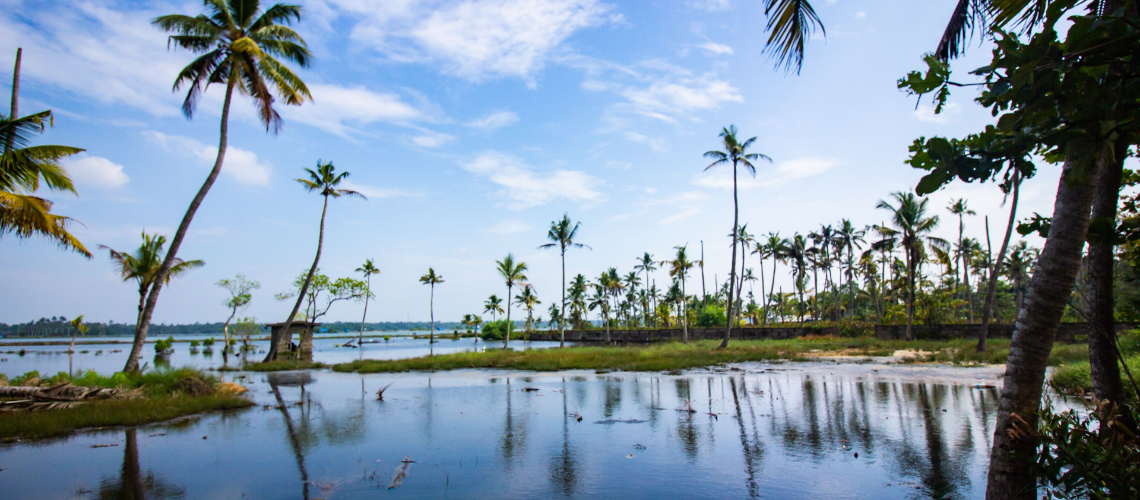
The journey from Thekkady to Alappuzha (Alleppey) takes around three and a half hours. The highlight here is an overnight stay on a Kerala houseboat on Vembanad Lake, which consistently ranks as the most memorable experience for families visiting Kerala. Children love the novelty of sleeping on water and watching village life from the deck; elderly members appreciate the gentle pace and the freshly prepared meals. The houseboat staff are experienced at catering to mixed-age groups and can adjust the spice levels of the food accordingly.
Day 8: Kochi departure
The return journey from Alappuzha to Kochi takes about 90 minutes, leaving time for any remaining shopping in Fort Kochi’s market lanes before departure.

The extended route: 10 nights and 11 days with beaches
Families with more time, or those who want to include a beach stay, can extend the above route with two additional destinations.
Adding Wayanad (after Munnar): Wayanad suits families looking for a wilder, more forested experience. The Edakkal Caves, with their prehistoric rock engravings, are fascinating for children. Wayanad’s treehouse resorts within coffee and spice plantations are among the most memorable stays available anywhere in Kerala. You can read more about Wayanad and other lesser-known destinations in our guide to offbeat places in Kerala.
Adding Varkala or Kovalam (after Alappuzha): A two-night beach stay at either Varkala or Kovalam brings the trip to a gentle, relaxed close. Both destinations are within easy reach of Thiruvananthapuram airport, making them a practical final stop for families flying home from the south.
Tips for planning family tour packages in Kerala
Keep driving days short. The roads between major Kerala destinations are generally in good condition, but hill roads in Munnar and Wayanad are winding and can cause motion sickness in children. Build in rest stops, carry appropriate medication, and avoid planning more than four hours of driving on any single day.
Book accommodation carefully. The best family-friendly properties in Kerala book out quickly during peak season (October to March) and school holiday periods. Look for resorts and homestays that specifically cater to families, with features such as interconnecting rooms, garden spaces, child-safe swimming pools, and kitchen flexibility for dietary requirements.
Choose the right houseboat. Not all houseboats are equal. A premium or deluxe houseboat with a proper bedroom, a clean bathroom, air conditioning, and an experienced cook is worth the additional cost for a family. Ensure the boat has safety railings, which are particularly important when travelling with young children or elderly family members.
Plan for dietary needs. Kerala’s cuisine is naturally flavourful and uses fresh ingredients, but it can be quite spicy for young children or those unaccustomed to South Indian cooking. Most hotels, homestays, and houseboat cooks are happy to prepare milder versions of dishes with advance notice. Vegetarian options are widely available across the state.
Carry the right clothing. Pack light cotton clothing for the coastal and backwater regions and a few warm layers for Munnar and Wayanad, where temperatures at night can drop to 10 degrees Celsius or below during the winter months. Comfortable walking shoes are essential for plantation walks and wildlife areas.
Visit during the right season. October to March is the most comfortable window for most of Kerala’s family-friendly destinations. The best time to visit Kerala for backwaters and beaches is between October and February, when the weather is stable, and the landscapes are green after the monsoon.

Family-friendly experiences worth building into any Kerala itinerary
Elephant encounters at Thekkady or Guruvayur: Several sanctuaries in Kerala offer morning elephant bathing and feeding experiences under the supervision of mahouts. These are consistently among the most talked-about experiences for children who visit the state.
Kathakali performances: A professionally staged Kathakali performance, with pre-show demonstrations of the elaborate makeup application process, is accessible and genuinely fascinating for children of all ages. Most Fort Kochi cultural centres run evening performances specifically timed for tourist visits.
Cooking experiences: A short Kerala cooking class in a homestay or plantation kitchen introduces children to the spices, techniques, and ingredients behind the food they are eating. It is a hands-on, memorable experience that travels well as a story.
Village and backwater walks: Guided walks through fishing villages and canal-side communities offer families a direct, human encounter with everyday Kerala life. These experiences, away from the more visited attractions, are often what families remember most clearly. Our guide to slow travel in Kerala covers this approach in more detail.
Muzhappilangad Drive-in Beach: Located near Kannur in north Kerala, Muzhappilangad is India’s longest drive-in beach, stretching approximately four kilometres. It is an unusual and particularly enjoyable experience for families travelling with children.
Plan your Kerala family trip with us
A well-planned family tour package in Kerala accounts for the different needs, energy levels, and interests within the group. Getting the route, pacing, and accommodation right requires local knowledge and, specifically, experience with family travel.
At Immersive Trips, we design Kerala holidays around your family, not around a standard brochure. Explore our Kerala packages or get in touch directly to tell us about your group and what matters most to you. We will take it from there.
Frequently asked questions about family tour packages in Kerala
How many days is ideal for a Kerala family holiday?
Seven to eight days comfortably cover the classic route of Kochi, Munnar, Thekkady, and Alappuzha, with enough time at each destination to relax rather than rush. Ten to eleven days allow for a beach stay or a visit to Wayanad. Shorter trips of five days work well if you focus on two or three destinations rather than trying to cover the full circuit.
Is Kerala safe for families with young children?
Yes. Kerala is consistently rated among India’s safest states for domestic and international tourists. The main tourist corridors are well-maintained, accommodation is clean and reliable, and the general culture of the state is welcoming and helpful to family groups. The backwater and beach areas are particularly gentle environments for young children.
Is a houseboat stay suitable for elderly family members?
Yes, with the right boat. A premium or deluxe houseboat with proper railings, a clean bathroom, and comfortable bedding is well-suited to elderly travellers. The experience is calm and unhurried, meals are brought to the deck, and the gentle movement of the water is rarely uncomfortable. Ensure you communicate the needs of elderly family members when booking so the operator can make appropriate arrangements.
What is the best time to take a Kerala family tour?
October to March is the most comfortable and recommended period. The weather is pleasant across all regions, the roads are clear, and the landscapes are at their most lush after the monsoon. December and January are the most popular months and require advance booking. April and May are hotter, but can work well for hill station destinations like Munnar and Wayanad, where temperatures remain moderate.
Can the itinerary be customised for a multi-generational family?
Absolutely. A well-structured family tour package in Kerala can accommodate grandparents, parents, and children simultaneously by choosing accommodation with appropriate facilities, building in adequate rest time between activities, and selecting experiences that engage multiple age groups. A travel specialist who knows Kerala well can design a route that balances the energy levels and interests across generations.
How do families typically travel between destinations in Kerala?
Most family tour packages include a private air-conditioned vehicle with an experienced driver for the duration of the trip. This is the most comfortable and practical option for families, as it offers flexibility in timing, convenient stops along the way, and reliable luggage handling. Local ferries in Alappuzha add a pleasant variation to the journey and are safe for all age groups.
Are vegetarian meals readily available throughout Kerala?
Yes. Kerala has a strong vegetarian food tradition alongside its well-known seafood and meat dishes. Most hotels, homestays, and houseboat cooks can prepare entirely vegetarian menus on request. The traditional Kerala sadya, a vegetarian banana leaf feast, is a wonderful family meal experience that requires no special arrangement at most established restaurants.
What should families pack for a Kerala trip?
Light cotton clothing for coastal and backwater regions; a few warm layers for Munnar and Wayanad (particularly in winter months); comfortable walking shoes; sunscreen; insect repellent; motion sickness tablets for hill road drives; any prescription medications; and copies of all booking confirmations and identification documents. A waterproof bag is useful during the monsoon months.
Can we include a cultural experience like Theyyam or Kathakali in a family itinerary?
Kathakali performances are ideal for families and are staged regularly in Kochi and other tourist centres, with pre-show demonstrations that make the art form accessible and engaging for children. Theyyam, the ancient ritual performance tradition of northern Kerala, is a more immersive and less packaged experience. Our guide to Theyyam in Kerala explains what it involves and how to plan a visit respectfully.
How far in advance should we book a Kerala family tour package?
For travel between October and March, particularly during December, January, and school holiday periods, booking at least two to three months in advance is strongly recommended. Premium houseboats, well-regarded family resorts in Munnar, and the best homestays in Alappuzha fill quickly during peak season. Last-minute bookings are possible outside peak periods, but they limit your choices significantly.