
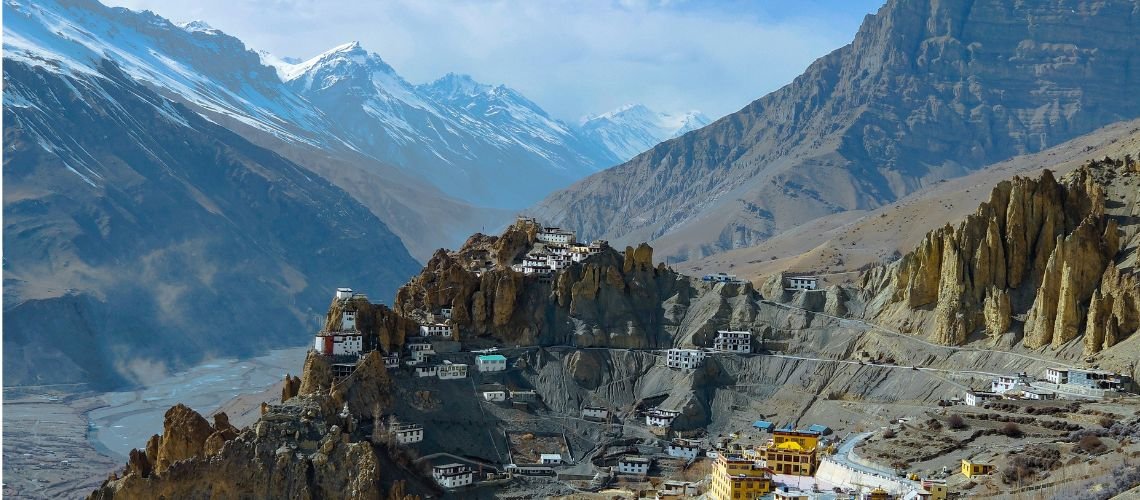
Spiti asks more of a traveller than most parts of Himachal Pradesh, and it gives back accordingly. Long drives on rough roads lead to eleventh century monasteries, villages that count among the highest inhabited places on earth, and a stillness that is hard to find anywhere closer to sea level. This guide covers the best things to do in Spiti that make the most of that effort, from cultural stops in Kaza to genuine adventure further into the valley and how to turn this list of places to visit in Spiti into a realistic Spiti itinerary.
Join Morning Prayers at Key Monastery
Among all the things to do in Spiti, few match the experience of Key Monastery. The largest monastery in the valley, it sits around twelve kilometres from Kaza and dates back to roughly the eleventh century, its whitewashed buildings stacked against a steep hillside above the Spiti river. Arriving early enough to sit in on morning prayers gives a far better sense of the place than a daytime walk through its corridors alone, with chanting and horns carrying across the valley below.
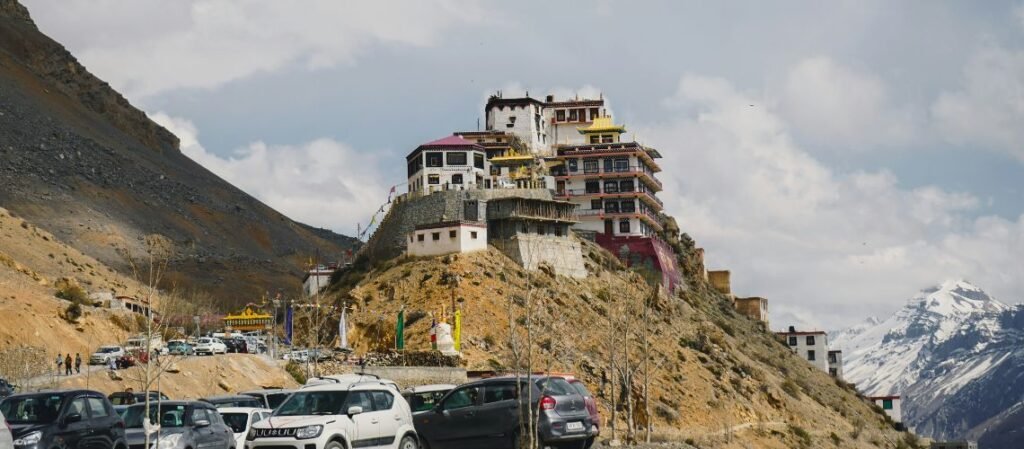
The monastery houses a community of monks and a collection of ancient murals and manuscripts, and a respectful visitor can usually explore most of the complex without needing a formal guide.
Photography is generally welcomed in the outer courtyards, though prayer halls sometimes restrict cameras during active ceremonies, so checking with a monk before taking pictures inside avoids any awkwardness. The walk up from the parking area takes only a few minutes, though the thin air at this altitude can make it feel longer than expected on a first attempt.
Send a Postcard From the World’s Highest Post Office
Hikkim, a small village not far from Kaza, holds the record for the world’s highest post office, sitting at well over four thousand metres above sea level. Sending a postcard from here, stamped and dated at that altitude, has become one of the most memorable things to do in Spiti for travellers making the trip out to the high villages.
The drive up passes through open, barren landscape typical of Spiti’s cold desert setting, and the post office itself is a modest, single-room affair, more memorable for its location than for anything grand about the building.
Hunt for Fossils in Langza
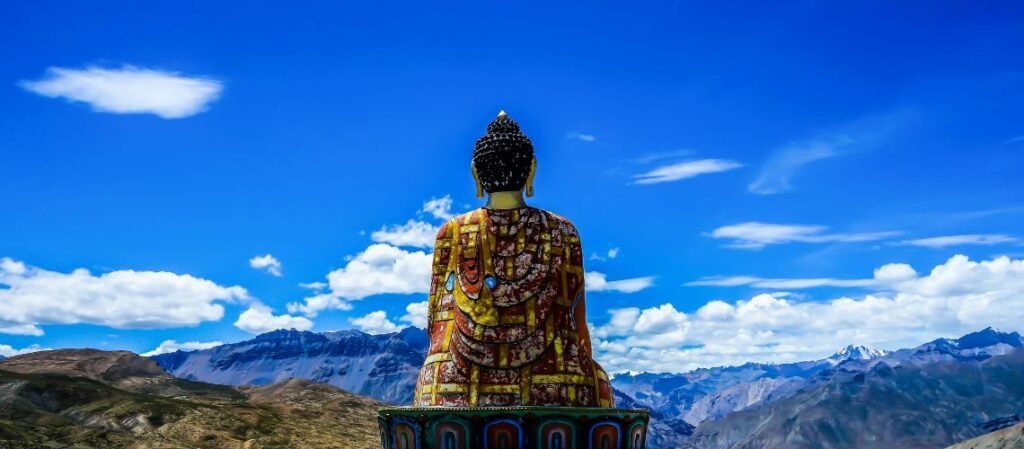
Langza sits at a similar altitude to Hikkim and is known for marine fossils left behind from when this entire region sat beneath an ancient sea, long before the Himalayas rose. A short walk around the village turns up ammonites and other fossils for a patient searcher, and a large golden Buddha statue overlooking the valley marks the village from a distance.
Cross Chicham Bridge
Chicham Bridge connects the village of Chicham to Kibber across a deep gorge, and it counts among the highest bridges of its kind anywhere in Asia. Walking or driving across it gives a proper sense of the scale of the landscape here, with the gorge dropping away sharply on either side.
Kibber itself, just beyond the bridge, sits close to a wildlife sanctuary known for snow leopard sightings, though spotting one takes patience, local knowledge, and a fair amount of luck.
A list like this only scratches the surface of places to visit in Spiti, and it works best treated as a starting point, not a fixed schedule. Many travellers fold a Spiti loop into a longer Himachal Pradesh tour packages with Immersive Trips, particularly when arriving from Manali, pairing the high villages with a night at Chandratal Lake or a slower stretch through Kinnaur as part of a fuller Spiti itinerary.
More Things to Do in Spiti
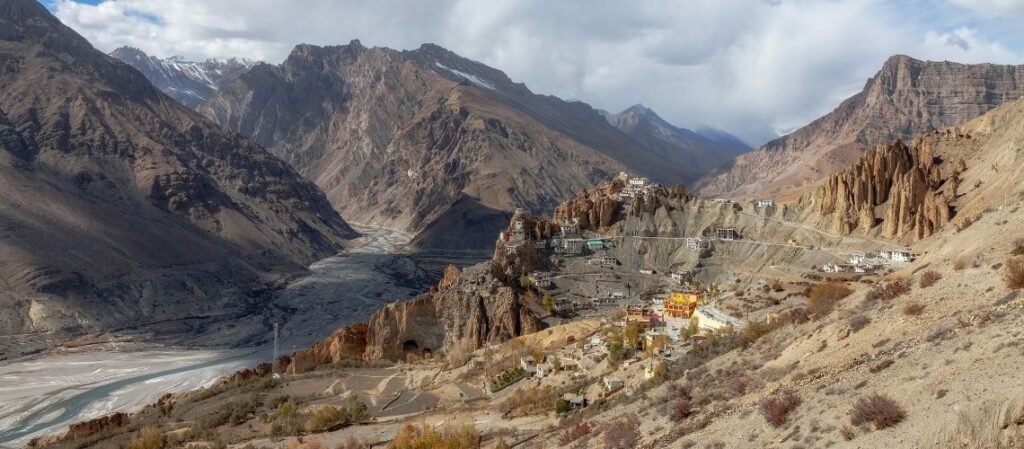
Dhankar Monastery, perched on a cliff above the confluence of the Spiti and Pin rivers, ranks among the most dramatically located religious sites in the Himalayas, and the trek up to Dhankar Lake beyond it rewards the climb with a small, still body of water framed by bare peaks. Tabo Monastery, more than a thousand years old and built largely from mud brick, holds murals detailed enough to have earned comparisons to the Ajanta caves.
Chandratal Lake, a crescent lake of turquoise water near Kunzum Pass, suits travellers willing to camp overnight at altitude for one of Spiti’s most photographed views, with clear stargazing on a good night away from any real source of light pollution.
Planning a Realistic Spiti Itinerary
Altitude governs almost everything about pacing a trip through Spiti. Building in a rest day early on, particularly after the drive up from Manali or Shimla, matters more here than in most parts of Himachal, and pushing straight into a full day of sightseeing on arrival is rarely a good idea.
Five to seven days give a realistic spread across Kaza, Key Monastery, the high villages, and at least one of Dhankar or Tabo, with a further stretch to Chandratal Lake for anyone with the time and the right weather window.
Frequently Asked Questions
What is the number one best thing to do in Spiti?
Visiting Key Monastery, ideally early enough for morning prayers, is the activity most associated with a Spiti trip and tops most lists of things to do in Spiti. Sending a postcard from Hikkim’s post office and hunting for fossils in Langza are close behind for many travellers.
How many days do I need for things to do in Spiti?
Five to seven days give a realistic spread across Kaza, Key Monastery, the high villages, and at least one of Dhankar or Tabo Monastery, without needing to rush any of it. Shorter trips are possible but tend to feel compressed, given the distances and altitude involved.
Is Chicham Bridge safe to cross?
Chicham Bridge is a properly engineered crossing, safe to use on foot or by vehicle, despite its dramatic height above the gorge below. Its main draw is the scale of the view, not any real sense of risk, and traffic across it is routine.
Can I see snow leopards in Spiti?
Snow leopard sightings are possible around Kibber Wildlife Sanctuary, particularly in winter, though they are far from guaranteed and depend heavily on patience, timing, and local guidance. Many visitors go without a sighting and still find the surrounding landscape worth the trip.
Is camping at Chandratal Lake difficult?
Camping at Chandratal Lake demands proper cold weather gear and a tolerance for high altitude, since nights there turn properly cold even in summer. Authorised campsites near the lake handle most of the logistics, making the experience more manageable than it first sounds.
How difficult is the trek to Dhankar Lake?
The walk up to Dhankar Lake from Dhankar Monastery is short but steep, typically taking under an hour each way for a reasonably fit traveller. Starting early avoids the stronger midday sun common at this altitude, and sturdy shoes make the loose scree sections easier underfoot.
Do I need to acclimatise before sightseeing in Spiti?
Acclimatising for at least a day in Kaza before heading to the higher villages is a sensible precaution, given how much of Spiti sits above three thousand metres. Rushing straight into sightseeing after a long drive increases the risk of altitude sickness.
What should I pack for a Spiti trip?
Warm layers, a good sleeping bag if camping, sun protection, and comfortable walking shoes cover most of what a Spiti trip demands, even in summer. Temperatures swing sharply between day and night, so packing for both extremes matters more here than in most of Himachal.
Turning a List of Activities Into a Real Spiti Itinerary
A list of things to do in Spiti only becomes useful once it sits against real travel times, altitude, and how much a traveller wants to move each day. Immersive Trips builds a Spiti loop into a wider Himachal Pradesh tour packages built around those choices, not a fixed script, so a monastery morning, a fossil hunt, and a night by Chandratal Lake can all find their place in your Spiti itinerary. Anyone ready to turn this list into a proper plan can start with a simple conversation about what the trip should include.