
Rajasthan is far more than forts and deserts: it is also home to some of India’s finest wildlife experiences, from the tigers of Ranthambore to the leopards of Jawai and Jhalana, from the migratory birds of Keoladeo to the desert wildlife of the Thar. A wildlife tour in Rajasthan adds a thrilling dimension to a trip through the Land of Kings, combining the excitement of the safari with the state’s extraordinary heritage. This guide covers the best wildlife destinations, the animals you can see, the safari options, and how to plan a rewarding wildlife tour.
For full trip planning, see our Rajasthan travel guide, and for curated itineraries, our Rajasthan tour packages collection.
Wildlife Tour in Rajasthan: Best Safari Destinations
Rajasthan’s national parks and sanctuaries protect a surprising diversity of wildlife across its varied landscapes: the dry deciduous forests of the Aravallis, the wetlands of the east, and the arid Thar Desert of the west. The state is best known for its tigers (at Ranthambore and Sariska), its leopards (at Jawai and Jhalana), its birdlife (at Keoladeo), and its unique desert wildlife (at Desert National Park). Together, these offer some of the most rewarding and accessible wildlife experiences in India, often combinable with the state’s famous cities and forts in a single trip.
Ranthambore National Park: Tiger Safaris
Ranthambore, near Sawai Madhopur between Jaipur and the southern cities, is Rajasthan’s premier wildlife destination and one of the best places in India to see a wild Bengal tiger. Once the private hunting reserve of the Jaipur royals, this dry-deciduous forest of rolling hills, lakes, and meadows, crowned by the atmospheric Ranthambore Fort (a UNESCO World Heritage Site), is home to a healthy tiger population alongside leopards, sloth bears, crocodiles, deer, and over 300 bird species.
Safaris run in the morning and afternoon (each around three hours) in open jeeps (6-seater) and larger canters (20-seater), across designated zones assigned by the forest department. Two nights, allowing two safaris, significantly improves the chances of a tiger sighting. Safaris must be booked in advance, particularly in peak season, through the Rajasthan Forest Department portal or a tour operator. Our places to visit in Rajasthan guide covers Ranthambore.
Jawai and Jhalana: Leopard Safaris
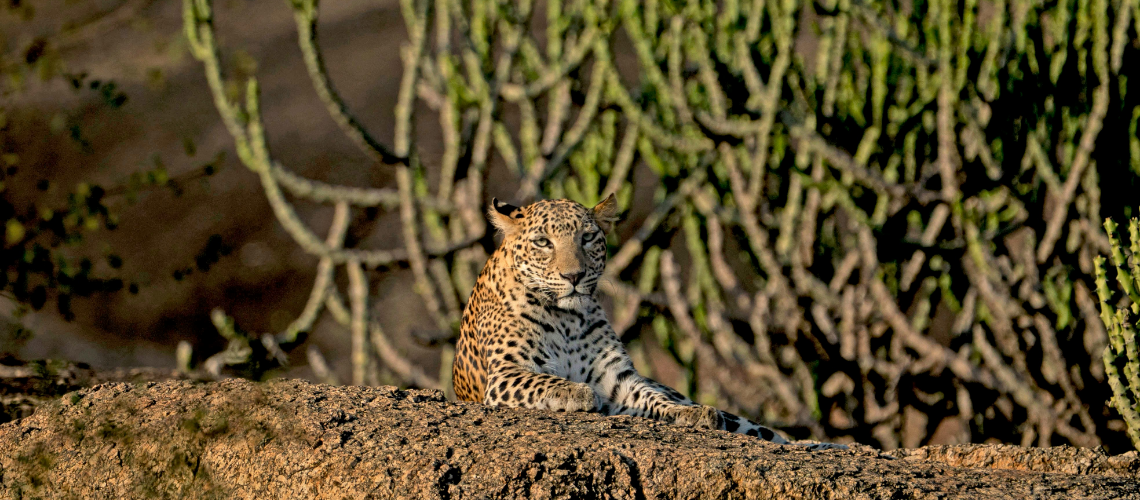
Jawai, between Udaipur and Jodhpur, is one of Rajasthan’s most remarkable wildlife experiences: a landscape of granite hills where wild leopards live in close, peaceful proximity to local communities. Unlike the larger reserves, Jawai offers intimate, uncrowded leopard safaris, often with sightings occurring without the convoy of vehicles seen elsewhere. Luxury camps and eco-lodges offer sunrise and sunset safaris.
Jhalana Leopard Safari Park, on the edge of Jaipur, is a smaller reserve famous for its accessible leopard sightings, making it an excellent option for a wildlife experience close to the Pink City. Both offer a genuine alternative to the classic tiger safari. Our offbeat places in Rajasthan guide covers Jawai.

Keoladeo National Park: Birdwatching
Keoladeo National Park (formerly the Bharatpur Bird Sanctuary), near Bharatpur in eastern Rajasthan, is a UNESCO World Heritage Site and one of the finest birdwatching destinations in India, with over 370 bird species. This mosaic of wetlands, woodlands, and grasslands comes alive in winter (November to February) when vast numbers of migratory birds arrive. Uniquely, the park is explored by cycle-rickshaw, bicycle, or on foot rather than by jeep, making it peaceful, family-friendly, and easy to explore. It is a paradise for birdwatchers and nature lovers.
Sariska Tiger Reserve
Sariska Tiger Reserve, in the Alwar district and easily accessible from Jaipur or Delhi, is another tiger reserve, notable for its successful tiger relocation and conservation programme. Set in the Aravalli hills and once the hunting ground of the Alwar royals, it is home to tigers, leopards, hyenas, and a healthy prey base, along with historic temples and ruins within the reserve. Sightings are generally less predictable than at Ranthambore, but the reserve is quieter and rich in atmosphere.
Desert National Park and Other Wildlife Sanctuaries
The Desert National Park, near Jaisalmer, protects the unique ecosystem of the Thar Desert, including black buck, chinkara, desert fox, and the endangered Great Indian Bustard, one of the world’s heaviest flying birds, along with migratory raptors in winter. Other notable reserves include the Kumbhalgarh Wildlife Sanctuary (leopards and Aravalli wildlife), Tal Chhapar (blackbuck), and Gajner (birdlife). These offer more offbeat wildlife experiences for dedicated enthusiasts.
Best Time for Wildlife Tour in Rajasthan
October to March offers the most comfortable weather and is the best time for birdwatching, with migratory birds flocking to Keoladeo and other wetlands. March to early May (the hotter pre-monsoon months) often offers the best big-cat sightings, as tigers and leopards congregate around water sources. Most reserves close for part of the monsoon (July to September), though Jawai operates year-round. Always check current park regulations before finalising dates.

Tips for Planning Wildlife Tour in Rajasthan
- Book safaris in advance. For popular reserves like Ranthambore and Sariska, jeep and canter safaris must be booked online well in advance, as zones and time slots sell out quickly in peak season.
- Do two safaris for tigers. A single safari offers no guarantee of a tiger sighting. Two nights, allowing two safaris (ideally one morning and one afternoon), significantly improves the odds.
- Wear earth-coloured clothes. Avoid bright colours that can startle animals, and stay quiet and calm to improve your chances of sightings.
- Bring binoculars and a camera. Binoculars greatly enhance the experience, and a good camera (without flash) captures the moments. Note that some parks charge extra for professional cameras.
- Combine wildlife with the cities. Ranthambore fits neatly between Jaipur and the southern cities, and Jhalana is on the edge of Jaipur, making it easy to add wildlife to a classic Rajasthan itinerary.
- Book only through certified operators. For a responsible and reliable wildlife experience, book through the official forest portal or a reputable operator.
Plan your Rajasthan wildlife tour with Immersive Trips
At Immersive Trips, we design wildlife tours that combine the thrill of the safari with the heritage of Rajasthan, handling advance safari bookings, timing, and logistics so you can focus on the wildlife. Get in touch with our team to plan your Rajasthan wildlife adventure.
Frequently asked questions about wildlife tours in Rajasthanurpur
Where can I see tigers in Rajasthan?
Ranthambore National Park, near Sawai Madhopur, is the best place in Rajasthan to see wild Bengal tigers, thanks to its healthy tiger population and accessible viewing zones. Sariska Tiger Reserve, near Alwar, is another tiger reserve, though sightings there are generally less predictable than at Ranthambore.
Is Ranthambore good for a tiger safari?
Yes, Ranthambore is one of the best places in India to see a wild Bengal tiger, offering open jeep and canter safaris across a dramatic landscape crowned by the historic Ranthambore Fort. Two nights, allowing two safaris, significantly improves the chances of a sighting. It is Rajasthan’s premier wildlife destination.
Where can I see leopards in Rajasthan?
Jawai, between Udaipur and Jodhpur, is the standout leopard destination, offering intimate, uncrowded safaris in a landscape of granite hills where leopards live alongside local communities. Jhalana Leopard Safari Park, on the edge of Jaipur, also offers accessible leopard sightings close to the city.
What is the best time for a wildlife safari in Rajasthan?
October to March offers the most comfortable weather and is best for birdwatching, with migratory birds arriving at Keoladeo. March to early May (the hotter pre-monsoon months) often offers the best big-cat sightings, as animals congregate around water sources. Most reserves close for part of the monsoon (July to September).
Do I need to book safaris in advance?
Yes, strongly recommended for popular reserves like Ranthambore and Sariska, where jeep and canter safaris are booked online through the Rajasthan Forest Department portal and sell out quickly in peak season. A tour operator can handle these advance bookings for you. For Jawai and community-run areas, bookings are often managed by the lodges.
What wildlife can I see at Keoladeo National Park?
Keoladeo National Park (Bharatpur) is a UNESCO World Heritage Site and one of India’s finest birdwatching destinations, home to over 370 bird species. In winter (November to February), vast numbers of migratory birds arrive. It is explored by cycle-rickshaw, bicycle, or on foot, making it peaceful and family-friendly.
Can I combine a wildlife safari with a Rajasthan city tour?
Yes, easily. Ranthambore sits conveniently between Jaipur and the southern cities, and Jhalana Leopard Safari Park is on the edge of Jaipur, making it simple to add wildlife to a classic Rajasthan itinerary. Sariska is accessible from Jaipur or Delhi, and Keoladeo lies near Bharatpur on the route from Agra.
Is a tiger sighting guaranteed at Ranthambore?
No, tiger sightings are never guaranteed, as tigers are wild animals. However, Ranthambore offers among the best chances in India, and doing two safaris (over two days) significantly improves the odds. Even without a tiger sighting, the safari experience, with its landscape, fort, and other wildlife, is rewarding.
Are wildlife safaris suitable for families?
Yes. Wildlife safaris are a thrilling experience for families, with children loving the adventure of the open-jeep safari. Keoladeo (explored by cycle-rickshaw), Jhalana, and Sariska are particularly family-friendly, with shorter, less tiring safaris. Ranthambore offers the excitement of a genuine tiger safari. Our family tour packages in Rajasthan guide covers family travel.
What should I wear and bring on a wildlife safari?
Wear earth-coloured clothes (avoiding bright colours that startle animals), and dress in warm layers for early morning safaris in winter. Bring binoculars, a camera (without flash), a hat, sunscreen, and water. Stay quiet and calm during the safari to improve your chances of sightings. Note that some parks charge extra for professional cameras.