
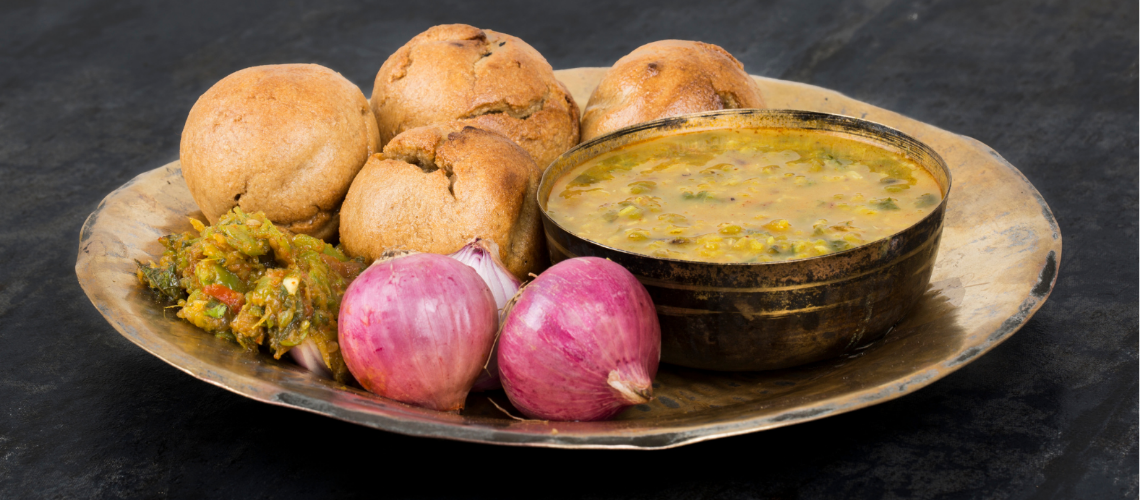
The traditional food of Rajasthan reflects centuries of history, royal traditions and life in the desert. From hearty vegetarian classics like dal baati churma to fiery laal maas, this guide explores the traditional food of Rajasthan, its unique flavours and the must-try dishes every traveller should experience.Out of these constraints, the people of Rajasthan created a cuisine of remarkable richness and ingenuity: ghee-soaked breads, dried desert beans transformed into delicacies, fiery mutton curries born in royal hunting camps, and sweets of extraordinary craft. This guide covers the essential dishes every traveller should try, what makes them special, and where the food culture comes from.
For where to find the best of it, see our places to eat in Rajasthan guide, and for full trip planning, our Rajasthan travel guide.
Understanding Traditional Food of Rajasthan
Rajasthani cuisine grew out of a desert state that had to be resourceful about water, crops, and supplies. Fresh vegetables were not always available, so cooks leaned on grains, pulses, dried beans, desert berries, milk, and generous amounts of ghee, which both added calories essential in a harsh climate and helped preserve food. At the same time, the warrior and royal traditions of the Rajput courts introduced elaborate meat dishes, particularly game from royal hunting expeditions.
Rajasthan is also one of India’s most vegetarian-friendly regions, with surveys suggesting over 74 per cent of the state’s population is vegetarian, owing to strong Jain and Hindu influences. As a result, the majority of Rajasthan’s most iconic dishes are vegetarian, and vegetarian travellers will never feel short-changed here, while meat lovers will find the region’s non-vegetarian specialities among the most memorable in India.
Must-Try Dishes: Traditional Food of Rajasthan
Dal Baati Churma
If there is one dish that represents the traditional food of Rajasthan, it is dal baati churma. This is not merely a meal but a complete sensory experience and a symbol of Rajasthani hospitality. It brings together three elements that balance each other beautifully: baati (hard, round wheat flour balls, traditionally baked over charcoal or cow-dung cakes, which gives them a unique earthy, smoky flavour, then generously drenched in ghee); dal (typically panchmel dal, a slow-cooked mix of five different lentils, richly tempered with spices); and churma (a sweet element made from crushed baati mixed with jaggery or sugar, ghee, and cardamom).
One baati can constitute a full meal, and the dish is extremely rich and filling, so pace yourself. It is best enjoyed with spicy garlic chutney and buttermilk. Dal baati churma is served at festivals, weddings, and special occasions, and serving it in a Rajasthani home is a mark of genuine hospitality.

Laal Maas
Laal maas, meaning “red meat,” is Rajasthan’s most famous non-vegetarian dish and one of the most intense curries in Indian cuisine. This fiery mutton curry gets its distinctive bright red colour and extreme heat from Mathania red chillies, a local variety from the Jodhpur region. The mutton is slow-cooked in a rich gravy of yoghurt, garlic, and a potent blend of spices until it is fall-off-the-bone tender.
Crucially, laal maas is not just about heat; there is a genuine depth of flavour, an earthy, smoky quality that comes from the slow cooking. It represents the bold warrior heritage of the Rajput community and was historically prepared with game meat caught during royal hunting expeditions. It is best enjoyed with bajra roti or steamed rice.
Safed Maas
For those who love a traditional meat dish but cannot handle the heat of laal maas, safed maas (“white meat”), also known as the royal lamb korma, is the perfect alternative. This creamy, mild curry combines lamb with a delicate blend of onion, ginger, garlic, pepper, cardamom, cashews, and cream, resulting in a rich, celebratory dish linked to the royal kitchens of Rajasthan. It pairs beautifully with naan, tandoori roti, or a mild pulao.
Gatte ki Sabzi
Gatte ki sabzi is a pure vegetarian delight and a staple in homes across the state. Gatte are gram flour (besan) dumplings, kneaded with spices, boiled, cut into pieces, and then simmered in a tangy yoghurt-based gravy. The soft gatte soak up the gravy’s flavour, creating a dish with a lovely texture and a perfect balance of sour and spicy. It is a genuine home-style comfort food and one of the dishes that surprises visitors who assume Rajasthan is primarily a meat-eating state.
Ker sangri
If you want to taste the real dessert, try ker sangri. This dish is made from dried berries (ker) and dried beans (sangri) that grow wild in the arid Thar Desert climate. These humble ingredients, which sustained desert communities during droughts, are soaked overnight and then cooked with a mix of local spices and a hint of sourness from dried mango (amchur). Tangy, spicy, and with a distinctive chewy texture, ker sangri is a perfect example of how desert vegetation was turned into culinary excellence, and it makes a wonderful accompaniment to bajra roti.
Pyaaz Kachori and Mirchi Bada
Rajasthan’s street food is legendary, and two snacks stand out. Pyaaz kachori is a crisp, flaky pastry filled with a spiced onion mixture, best eaten fresh with tamarind chutney. Mirchi bada is a large green chilli, stuffed with spiced potato, dipped in gram flour batter, and deep-fried, best enjoyed hot with masala chai. Both are staples of Rajasthan’s bazaars and an essential part of the food experience. Mawa kachori, a sweet version filled with mawa (reduced milk) and soaked in syrup, is a Jodhpur speciality.

Ghevar and Rajasthani Sweets
Rajasthan’s sweets are as distinctive as its savoury dishes. Ghevar, a disc-shaped sweet made from flour and soaked in sugar syrup, often topped with rabri (thickened sweetened milk), is the most iconic, particularly associated with festivals such as Teej and Raksha Bandhan. Mawa kachori, mohan thaal (a gram flour fudge), and churma ladoo are other beloved sweets that complete the Rajasthani table.
Tips for Enjoying Traditional Food of Rajasthan
The best way to experience the range of Rajasthani cuisine in a single sitting is the Rajasthani thali, a traditional full-course meal served on a large round metal plate. A standard vegetarian thali typically includes dal baati churma, gatte ki sabzi, ker sangri, Rajasthani kadhi, bajra roti, wheat roti, papad, pickle, a sweet such as churma ladoo or halwa, and masala chaas (spiced buttermilk) to drink. Premium thalis at heritage hotels may feature 20 to 36 rotating dishes and are genuinely enormous, offering a comprehensive tour of the region’s cuisine in one meal.
Tips for Enjoying Rajasthani food
Pace yourself with the ghee. Rajasthani food is famously rich, and dishes like dal baati churma are extremely filling. Eat slowly and share plates where you can.
Request your preferred spice level. Dishes like laal maas and mirchi bada can be very hot, but most restaurants will happily prepare milder versions on request. Many dishes, such as safed maas, dal baati churma, and the sweets, are naturally mild.
Try the street food. Jaipur’s MI Road, Johari Bazaar, and Bapu Bazaar areas offer some of the best concentrations of street food in the state, particularly for kachoris and mirchi bada.
Eat where locals eat. The most authentic versions of these dishes are found at traditional restaurants, heritage hotels, and local thali spots rather than tourist-facing establishments. Our guide to places to eat in Rajasthan points you to the best.
Do not try to tick off every dish in one trip. Pick a few that sound exciting, mix a comfort food with a new experiment, and give yourself time to actually taste what is on your plate.
Plan your Rajasthan food journey with Immersive Trips
At Immersive Trips, we craft Rajasthan itineraries that treat food as an essential part of the experience, connecting you to heritage kitchens, traditional thali spots, and street-food gems that make Rajasthani cuisine so memorable. Get in touch with our team to plan a Rajasthan journey rich in flavour.
Frequently asked questions about the traditional food of Rajasthan
What is the most famous food of Rajasthan?
Dal baati churma is widely regarded as Rajasthan’s most famous and iconic dish, the quintessential representation of the state’s culinary heritage. It combines ghee-soaked baati (baked wheat balls), panchmel dal (five-lentil curry), and sweet churma into a single complete meal.
Is Rajasthani food very spicy?
Some dishes, particularly laal maas and mirchi bada, are very spicy. However, many others are mild or medium, with a greater focus on richness and flavour than on heat. Dal baati churma, safed maas, gatte ki sabzi, and all the sweets are mild and accessible to all palates. Most restaurants will prepare milder versions on request.
Is Rajasthan good for vegetarian travellers?
Yes, exceptionally so. Over 74 per cent of Rajasthan’s population is vegetarian, and the majority of the state’s most iconic dishes, including dal baati churma, gatte ki sabzi, ker sangri, kachoris, and the sweets, are vegetarian. Vegetarian travellers will find outstanding variety throughout the state.
What is laal maas and how spicy is it?
Laal maas is Rajasthan’s most famous non-vegetarian dish, a fiery mutton curry that gets its bright red colour and intense heat from Mathania red chillies from the Jodhpur region. It is genuinely spicy, but with a real depth of smoky, earthy flavour beyond the heat alone. Those sensitive to spice may prefer the milder safed maas.
What should I order at a Rajasthani thali?
A traditional Rajasthani thali typically includes dal baati churma, gatte ki sabzi, ker sangri, Rajasthani kadhi, bajra and wheat rotis, papad, pickle, a sweet such as churma ladoo, and masala chaas. This gives you a comprehensive taste of the region’s cuisine in a single meal. Premium thalis at heritage hotels may feature 20 to 36 dishes.
What is ker sangri?
Ker sangri is a traditional desert dish made from dried ker berries and sangri beans, both native to the Thar Desert. Soaked overnight and cooked with local spices and a hint of sourness from dried mango, it is tangy, spicy, and distinctively chewy. It represents how desert communities turned scarce wild ingredients into a delicacy.
What Rajasthani street food should I try?
Pyaaz kachori (spiced onion pastry) and mirchi bada (stuffed fried chilli) are the essential Rajasthani street snacks, best eaten fresh from the bazaars. Mawa kachori, a sweet version from Jodhpur, is also a must-try. Jaipur’s MI Road, Johari Bazaar, and Bapu Bazaar are among the best areas for street food.
What is the most famous Rajasthani sweet?
Ghevar, a disc-shaped sweet made from flour and soaked in sugar syrup, often topped with rabri, is the most iconic Rajasthani sweet, particularly associated with festivals such as Teej. Mawa kachori, Mohan thaal, and churma ladoo are other beloved traditional sweets.
Why is Rajasthani food so rich in ghee?
The generous use of ghee in Rajasthani cuisine reflects the demands of the desert climate. Ghee provided essential calories in harsh environments, helped preserve food in the absence of refrigeration, and added richness to dishes centred on simple grains and pulses. It remains central to the character of the cuisine today.
Where can I find the most authentic Rajasthani food?
The most authentic Rajasthani food is found in heritage hotels, traditional thali restaurants, local dhabas, and the street food bazaars across Jaipur, Jodhpur, Udaipur, and Bikaner. Cultural village dining experiences and desert camp dinners near Jaisalmer also offer the food in its traditional context. Our guide to places to eat in Rajasthan covers the best options.