
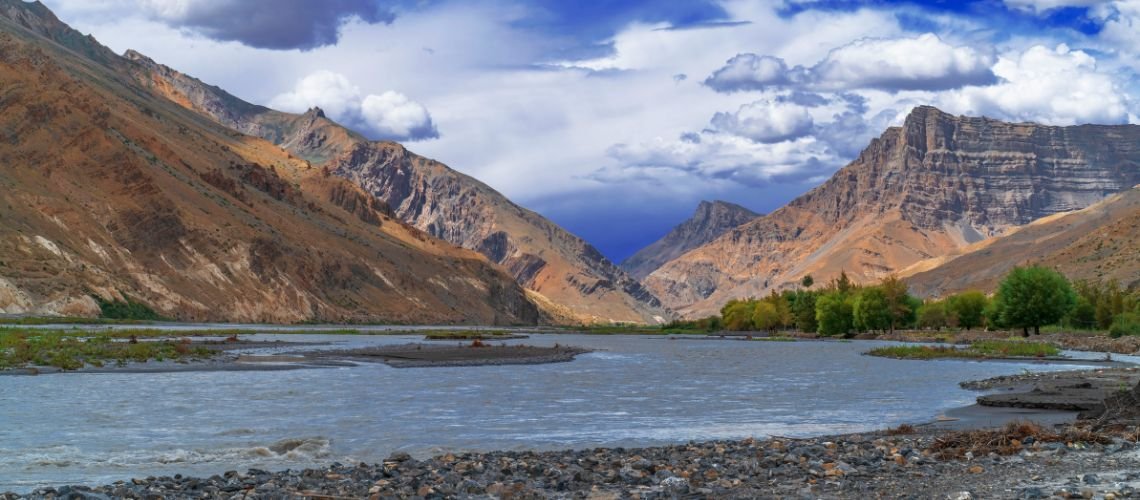
Spiti Valley sits far enough into the Himalayas that reaching it already feels like an achievement before any sightseeing begins. Bare brown mountains, whitewashed monasteries clinging to cliffs and villages that count among the highest inhabited places on earth give this cold desert valley a character unlike anywhere else in Himachal Pradesh. This Spiti travel guide covers the places worth the long drive, the food worth trying at altitude and the local experiences that make the journey worthwhile.
For first-time visitors, Spiti is as much about the journey as the destination. Long mountain roads, high passes, remote villages and dramatic changes in landscape mean that a trip here needs more planning than a conventional Himachal holiday. Understanding the routes, altitude, weather and distances before you arrive makes the experience considerably easier.
Getting to Know Spiti Valley
Spiti sits within the Lahaul and Spiti district of Himachal Pradesh, bordering Tibet, and the name itself is commonly translated as the middle land, a reference to its position between India and Tibet. Locals and travellers alike sometimes call it Little Tibet, a reflection of the strong Tibetan Buddhist culture that runs through daily life across the valley.
The landscape is distinctly different from the greener valleys around Shimla and Manali. Spiti is a high-altitude cold desert, with sparse vegetation, enormous brown mountains and villages scattered along the river valleys. Much of the valley sits above 3,000 metres, which is one reason acclimatisation matters so much on a Spiti Valley trip.
Two main road routes lead into Spiti. The route through Kinnaur and Shimla stays open for more of the year and makes for a gentler introduction, gaining altitude gradually alongside the Sutlej and Spiti rivers. A second option, over Kunzum Pass from Manali, is shorter but closes with heavy snowfall, making it more suitable for summer visits.
Kaza, the valley’s main town, works as the natural base for exploring many of the places described below.
Places to Visit in Spiti Valley
The places to visit in Spiti Valley range from ancient monasteries and high-altitude villages to wildlife areas and some of the most dramatic landscapes in Himachal Pradesh.
Key Monastery
Key Monastery, the largest monastery in the valley, sits around twelve kilometres from Kaza and dates back roughly to the eleventh century. Its whitewashed buildings are stacked across a hillside above the Spiti River, creating one of the valley’s most recognisable views.
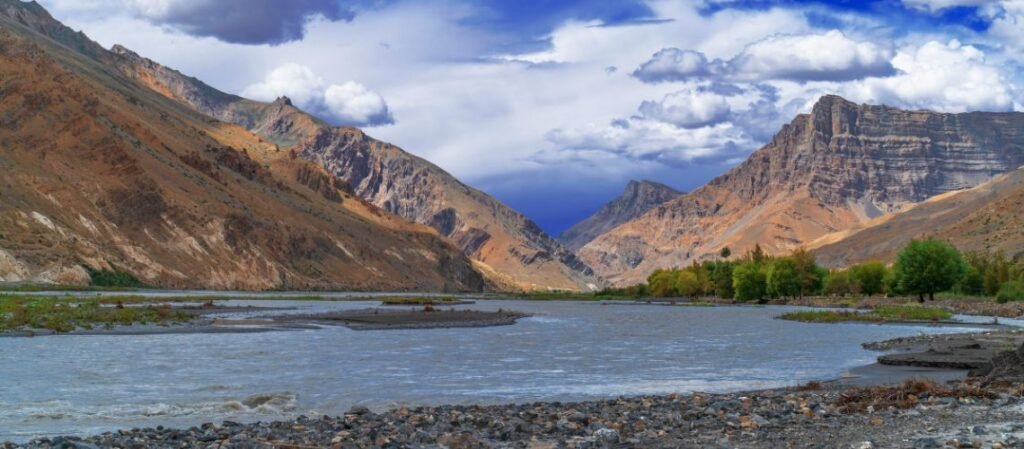
Beyond its architecture, the monastery remains an important centre of Tibetan Buddhist learning and is best experienced slowly rather than treated as a quick photography stop.
Dhankar Monastery
Dhankar Monastery is perched dramatically on a cliff above the confluence of the Spiti and Pin rivers. Its location is one of the main reasons it stands out among Spiti places to visit, with steep mountains dropping away on several sides.
The nearby Dhankar Lake also offers a worthwhile short hike for travellers who have enough time and are comfortable with the altitude.
Tabo Monastery
Tabo Monastery is more than a thousand years old and is known for its ancient murals and paintings. The complex has earned comparisons with the Ajanta caves because of the historical and artistic significance of its interiors.
For travellers interested in the cultural side of Spiti, Tabo offers a very different experience from the dramatic mountain viewpoints found elsewhere in the valley.
Langza Village
Langza is one of Spiti’s best-known high-altitude villages and is surrounded by barren mountains and wide-open Himalayan landscapes. The area is also known for marine fossils, remnants of the time when this region was covered by the Tethys Sea millions of years ago.
The large Buddha statue overlooking the village has become one of its most recognisable landmarks.
Komic Village
Komic is among the highest inhabited villages in the world and is one of the classic stops on a Spiti Valley itinerary. The journey to the village is as memorable as the destination, with wide mountain views and very little development around the road.
Because of the altitude, Komic should be visited only after you have had enough time to acclimatise.
Hikkim Village
Hikkim is famous for its high-altitude post office, which has become one of Spiti’s most popular traveller stops. Sending a postcard from here is a simple experience, but it gives visitors a reason to slow down and interact with one of the valley’s smallest settlements.
Hikkim, Komic and Langza are often visited together from Kaza, making them an easy addition to a longer Spiti Valley itinerary.
Chandratal Lake
Chandratal Lake is a crescent-shaped alpine lake near Kunzum Pass and is among the most photographed places associated with the Manali-Spiti route. The turquoise water, surrounding mountains and high-altitude setting make it a memorable stop.
Because access depends heavily on road and weather conditions, Chandratal is best planned as part of the wider route rather than treated as a guaranteed year-round destination.
What to Eat in Spiti Valley
Spiti Valley food reflects the climate, altitude and close cultural connection with Tibet. Barley, buckwheat, dried peas and dairy form the backbone of many traditional preparations, while fresh vegetables are more limited than in lower-altitude parts of Himachal Pradesh.
Thukpa and thenthuk, both noodle soups, appear on menus across Kaza and are particularly welcome after a cold day on the road. Momos filled with vegetables, cheese or meat are another easy-to-find option.
Tsampa
Tsampa is made from roasted barley flour and is an important part of Tibetan Himalayan cuisine. It can be mixed into a dough or combined with tea and other ingredients.
For visitors, trying tsampa offers a simple introduction to the ingredients that have traditionally sustained communities at high altitude.
Tingmo
Tingmo is a soft steamed bread commonly eaten with soups, vegetables and other dishes. It is particularly useful when you want something filling alongside a bowl of thukpa or a local curry.
Black Peas
Black peas are one of the more distinctive local ingredients found in Spiti. They appear in simple preparations in homestays and local kitchens and are worth trying when they are available.
Seabuckthorn Tea
Seabuckthorn grows wild in parts of the region and its bright orange berries are used to make a tart, warming tea. It has become one of the drinks visitors associate with the valley and makes a good alternative to the more familiar tea and coffee available around Kaza.
Local Experiences Beyond the Monasteries
The best things to do in Spiti Valley are not limited to visiting monasteries and viewpoints. The valley’s remote villages and traditional way of life offer experiences that become more memorable when you spend time away from the main tourist stops.
Stay in a Spiti Homestay
Homestays offer a closer look at daily life than conventional hotels. Families often prepare meals from what they grow, store or source locally, giving travellers a chance to experience the valley’s food and hospitality in a more personal setting.
For many visitors, a homestay becomes one of the highlights of the trip because it provides a better sense of how people live in such a demanding environment.
Look for Fossils Around Langza
The landscape around Langza contains marine fossils that point to the region’s geological past. Local guides and residents can help visitors understand where to look and how these fossils relate to the area’s history.
It is important not to remove significant fossils or damage the surrounding landscape. The experience is more valuable when approached as a way of understanding Spiti’s geology rather than simply collecting souvenirs.
Send a Postcard From Hikkim
Hikkim’s famous post office has become a symbolic stop on many Spiti Valley trips. Sending a postcard from one of the world’s highest post offices is a small experience, but it creates a physical reminder of the journey.
Attend Morning Prayers at Key Monastery
If your schedule allows, visiting Key Monastery early in the day can provide a quieter experience. Morning prayers offer a chance to see the monastery functioning as a living religious institution rather than simply as a tourist attraction.
Visitors should maintain silence and follow local rules when entering prayer spaces.
Explore Kibber Wildlife Sanctuary
Kibber Wildlife Sanctuary protects high-altitude habitat around Kibber and is known for its association with the elusive snow leopard. Sightings are never guaranteed, but the surrounding landscape and wildlife habitat make the area worthwhile for travellers interested in nature.
Wildlife experiences require patience. A trip to Kibber should not be planned solely around the expectation of seeing a snow leopard.
The Himachal Pradesh tour packages designed by Immersive Trips can incorporate Spiti into a wider Himachal route, allowing the journey to be planned around a traveller’s preferred balance of altitude, remote villages, monasteries and mountain landscapes.
How Many Days Do You Need for Spiti Valley?
Spiti rewards time more than almost anywhere else in Himachal Pradesh. Long distances, mountain roads and altitude mean that a rushed visit can quickly become uncomfortable rather than simply busy.
A 5 to 7 day Spiti itinerary gives a realistic amount of time for Kaza, Key Monastery, Dhankar, Tabo and at least one group of high-altitude villages such as Langza, Komic and Hikkim.
If you have more time, a longer route allows you to add rest days, homestays, Chandratal and additional villages without having to spend every day on the road.
The ideal duration ultimately depends on where you start and finish. A Manali-Spiti route can be structured differently from a longer circuit entering through Kinnaur.
Best Time to Visit Spiti Valley
June to September is generally the most reliable period for a classic Spiti Valley trip, particularly for travellers who want to cover the main villages and mountain routes.
During the summer months, the roads over the higher passes are more accessible and daytime conditions are generally more comfortable for sightseeing.
Weather and road conditions can still change quickly, however. Mountain travel in Spiti is never completely predictable, so building flexibility into your itinerary is more important here than in many other parts of Himachal Pradesh.
Winter is a very different experience. Temperatures fall sharply, some roads become difficult or inaccessible and the Manali route over Kunzum Pass closes with snowfall. Winter travel is therefore better suited to experienced travellers who understand the challenges of high-altitude conditions.
How to Reach Spiti Valley
There are two main road approaches to Spiti Valley.
Via Shimla and Kinnaur
The Kinnaur route enters Spiti gradually and generally offers a slower change in altitude. The journey follows the Sutlej before moving towards the Spiti River and Kaza.
This route is often preferred by travellers who want to acclimatise gradually and experience a longer Himalayan road journey.
Via Manali and Kunzum Pass
The Manali route crosses Kunzum Pass before descending towards the Spiti side of the valley. It is shorter than the Kinnaur approach but is highly dependent on weather and road conditions.
This route is most practical during the summer season when Kunzum Pass is open.
Most visitors travel to Spiti by road. The valley does not have its own railway station or commercial airport, so road travel forms an essential part of the experience.
Important Things to Know Before Visiting Spiti
Spiti is not a destination where arriving completely unprepared is a good idea. Its altitude, remoteness and road conditions require some advance planning.
Acclimatisation Matters
Much of Spiti sits above 3,000 metres and several popular villages are considerably higher. Allow your body time to adjust before spending long periods at the highest settlements.
Roads Can Be Slow
Distances that look short on a map can take several hours because of mountain roads, river crossings and changing road conditions. Avoid planning every day down to the minute.
Carry Basic Essentials
Kaza has shops and basic services, but options become limited as you travel towards smaller villages. Carry essential medicines, warm layers, sunscreen, sunglasses, snacks and any personal items you may need.
Keep Some Flexibility
Weather, landslides and road closures can affect travel plans. A flexible itinerary is one of the most useful things you can bring to Spiti.
Respect Local Culture
Spiti’s monasteries and villages are living communities rather than tourist attractions created for visitors. Dress appropriately at religious sites, ask before photographing people and follow instructions inside monasteries.
Frequently Asked Questions About Spiti Valley
How many days do I need for Spiti Valley?
Five to seven days gives a realistic window for Kaza, Key Monastery, Dhankar, Tabo and at least one group of high-altitude villages, with time for acclimatisation. A longer trip allows you to explore more slowly and include Chandratal or additional homestays.
What is Spiti famous for?
Spiti is best known for its cold desert landscape, ancient monasteries such as Key and Tabo, high-altitude villages and strong Tibetan Buddhist culture. The valley’s dramatic mountains and remote character are equally important parts of its appeal.
Is Spiti safe for first-time travellers?
Spiti is generally safe for prepared travellers, but its altitude and remoteness require care. Acclimatisation, awareness of altitude sickness symptoms, suitable clothing and realistic travel times are particularly important.
Road conditions can also change quickly, so travelling with an experienced local driver or guide can make the journey easier.
What is the best time to visit Spiti Valley?
June to September is generally the most reliable period for exploring the main Spiti routes and villages. The Manali-Kunzum route depends on the opening of the pass, while winter brings much colder conditions and significant road restrictions.
Do I need a permit to visit Spiti?
Permit requirements depend on nationality and the exact area being visited. Indian travellers generally do not need a special permit for the main Spiti circuit, while certain border areas may have additional restrictions. Foreign nationals may require permits for specific areas.
It is worth checking the latest local requirements before travelling, particularly if your itinerary goes close to the international border.
How do I reach Spiti Valley?
Spiti can be reached through Kinnaur and Shimla or via Manali and Kunzum Pass when the pass is open. Most travellers arrive by road because Spiti has no railway station or commercial airport of its own.
What food should I try in Spiti?
Thukpa, thenthuk and momos are easy introductions to the Tibetan influence on Spiti Valley food. Tsampa, black peas, tingmo and seabuckthorn tea offer a closer look at local ingredients and traditional food culture.
Homestays can be particularly good places to experience home-cooked versions of these dishes.
Is altitude sickness a concern in Spiti?
Altitude sickness is a genuine concern because large parts of Spiti sit above 3,000 metres. Allowing time for acclimatisation, avoiding rapid altitude gains and staying hydrated can help reduce the risk.
Anyone experiencing severe or worsening symptoms should descend to a lower altitude and seek medical assistance rather than continuing the itinerary.
Turning This Spiti Travel Guide Into a Real Trip
A Spiti travel guide can explain the route, but the right itinerary depends on how you want to experience the valley.
Some travellers want a focused road trip through Kaza, Key, Dhankar and the high villages. Others prefer to combine Spiti with Kinnaur or Manali and turn the journey into a longer Himachal circuit.
Immersive Trips builds each Spiti tour package around those differences rather than treating every traveller’s trip as the same fixed itinerary. The route can be shaped around your preferred pace, appetite for altitude, interest in monasteries and willingness to spend time in remote villages.
For anyone planning a first Spiti Valley trip, the most useful approach is to leave enough time for the journey itself. The long roads, changing landscapes, quiet villages and high mountain passes are not obstacles to getting to Spiti. They are part of what makes the valley worth visiting.